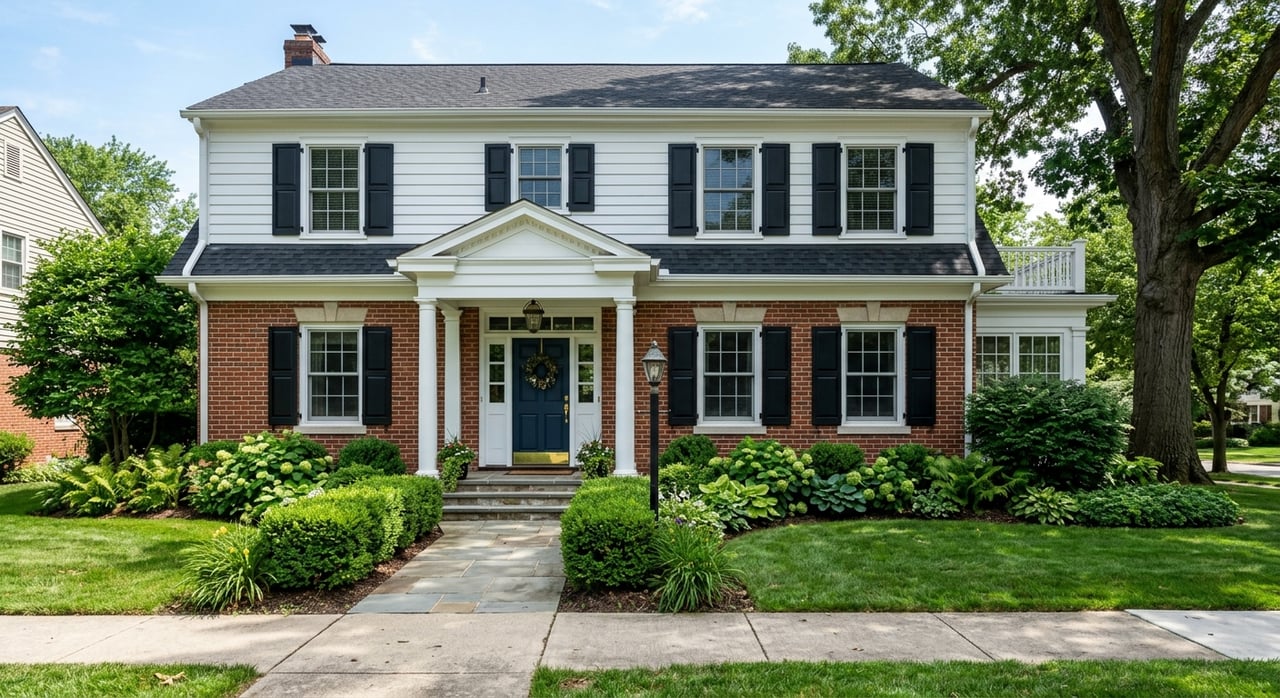
Buying a Home Near Downtown Elmhurst IL
May 21, 2026
May 21, 2026
If you want a suburban home with an easier train commute, walkable errands, and quick access to dining and parks, buying near downtown Elmhurst can feel like a smart fit. At the same time, the tradeoffs are real. You may pay more for convenience in some property types, face tighter inventory, and need to think carefully about parking and lot size. This guide will help you understand what buying near downtown Elmhurst really looks like so you can decide if the location matches your goals. Let’s dive in.
Downtown Elmhurst centers around Elmhurst City Centre, which serves as the community core. The area includes restaurants, boutique shopping, services, civic uses, rail access, parking, and open space such as Wilder Park. For many buyers, that mix creates a more convenient daily routine than the citywide averages might suggest.
That matters because Elmhurst as a whole is still classified by Redfin as minimally walkable, with a Walk Score of 48, Transit Score of 25, and Bike Score of 52. In other words, living close to downtown can change your day-to-day experience in a meaningful way. If being able to walk to more destinations matters to you, location within Elmhurst makes a big difference.
One of the biggest surprises for buyers is that downtown Elmhurst is not just one type of housing. Current listing patterns show a mix of condos, townhomes, and a smaller number of single-family and new-construction homes in the walk-to-town area. That creates options for buyers with different space needs and lifestyles.
Attached housing is a meaningful part of the downtown mix. That helps explain why the area can appeal both to buyers who want lower-maintenance living and to those looking for premium in-town convenience. If you are open to a condo or townhome, you may find more choices near the core than if you are only searching for a detached house.
Yes, there are still single-family opportunities near downtown Elmhurst. Recent downtown listings include examples on a 50x150 lot, a 75x202 lot, and an 8,350-square-foot lot. That means buying close to downtown does not always mean giving up outdoor space entirely.
Still, larger walk-to-town lots are limited. When a well-positioned single-family home near the core comes to market, especially one with a deeper lot or newer construction, it tends to stand out. Buyers who want that combination should be ready for scarcity.
Elmhurst planning materials help explain the broader pattern. Downtown-adjacent R2 single-family areas are associated with smaller lots than R1 and RE areas. The city’s zoning rewrite materials show minimum lot areas of 7,260 square feet in R2, 9,000 square feet in R1, and 12,000 square feet in RE.
That does not mean every home near downtown sits on a small lot. It does mean that, as a general rule, buyers often gain more land by moving farther from the core. If lot size and privacy are high priorities, that is one of the clearest tradeoffs to weigh.
Buyers often assume that downtown automatically means the highest prices in Elmhurst. The current market data shows a more nuanced picture. Redfin’s March 2026 snapshot reports a median sale price of $900,000 in Elmhurst overall, with $960,500 for single-family homes, $772,000 for townhouses, and $230,000 for condo and co-op sales.
Downtown Elmhurst’s median sale price was $659,000, with homes taking an average of 49 days to sell. That lower downtown median does not mean the area is cheaper across the board. It reflects the broader product mix, especially the presence of more attached housing.
The downtown premium is most visible in scarce, desirable in-town properties. Current City Centre data shows townhomes listed at a median of $1.4 million, condos at $655,000, and single-story downtown homes at $1.3 million. Those are the types of homes where buyers are often paying for walkable convenience, limited supply, and a more lock-and-leave or close-to-everything lifestyle.
So the right question is not simply, “Is downtown more expensive?” A better question is, “Which type of downtown property am I comparing?” A condo near the core may price very differently from a premium townhome or a detached home on a sought-after walk-to-town lot.
For many buyers, the strongest reason to live near downtown Elmhurst is the train. The Elmhurst Metra station is located at 128 W. 1st St. at York Road on the Union Pacific West line. It is in fare Zone 3, is accessible, and includes ticket vending machines and Pace connections 309 and 332.
If you expect to use Metra regularly, being close to the station can add real convenience to your routine. It can simplify morning departures, reduce drive time, and make last-minute schedule changes easier to manage. That is one reason buyers often put a premium on true walk-to-train locations.
Station parking is substantial, but it is not unlimited. Metra lists 25 parking lots, 1,487 spaces, 976 daily-only spaces, and 23 ADA spaces at the Elmhurst station. The city’s downtown plan also notes more than 3,000 downtown parking spaces overall.
Even with that supply, the city has also described downtown parking as something that can feel confusing and difficult. Elmhurst’s sustainability plan notes commuter parking near the station along First Street and Park Avenue and in the Larch, Schiller, and Adelaide decks. For buyers, the takeaway is simple: convenience is real, but parking logistics should still be part of your decision.
Buying near downtown Elmhurst usually makes the most sense when your priorities center on convenience. If you value walking to the train, restaurants, parks, services, and the downtown core, the location can deliver benefits that buyers farther out may not get every day. That lifestyle value is part of what supports demand.
On the other hand, moving farther from downtown often gives you a more traditional detached-home profile and, in many cases, more land. Recent South Elmhurst and Brynhaven listing examples show lot sizes of 6,612, 8,177, and 10,850 square feet. If your top priorities are yard space, separation from neighbors, or a larger lot for future plans, expanding your search radius may make sense.
Before you write an offer near downtown Elmhurst, it helps to pressure-test the location against your everyday routine. A home can look ideal on paper but feel less practical if the details do not line up with how you live.
Consider asking:
These questions can help you compare homes more clearly. They also make it easier to avoid stretching for a location that sounds appealing but does not fit your real priorities.
The best approach is to compare downtown options against nearby alternatives in the same price range. That helps you see what you are gaining and giving up. In some cases, the answer will be a walk-to-town condo or townhome. In others, it may be a single-family home a bit farther out with more land.
An experienced local broker can help you sort through those tradeoffs property by property. That matters in a market where product mix can distort broad median prices and where the best-positioned in-town homes are often scarce. The right purchase is usually the one that matches your routine, space needs, and long-term plans, not just the one closest to downtown on a map.
If you are weighing downtown Elmhurst against other nearby options, working with a local advisor can save you time and help you focus on the homes that truly fit. For tailored guidance on Elmhurst and nearby western suburbs, connect with Jeff/Amjad Salhani.
Stay up to date on the latest real estate trends.

From Youth Theater to a Half-Century Art Festival.

Where to Find Your Best Cup in Town.
On the Value and Intricacies of Home Appraisals.
How to Navigate Contingencies and How They Work for You.
Get In Touch With Me To Learn More
17W480 22nd St. Oakbrook Terrace, IL 60181