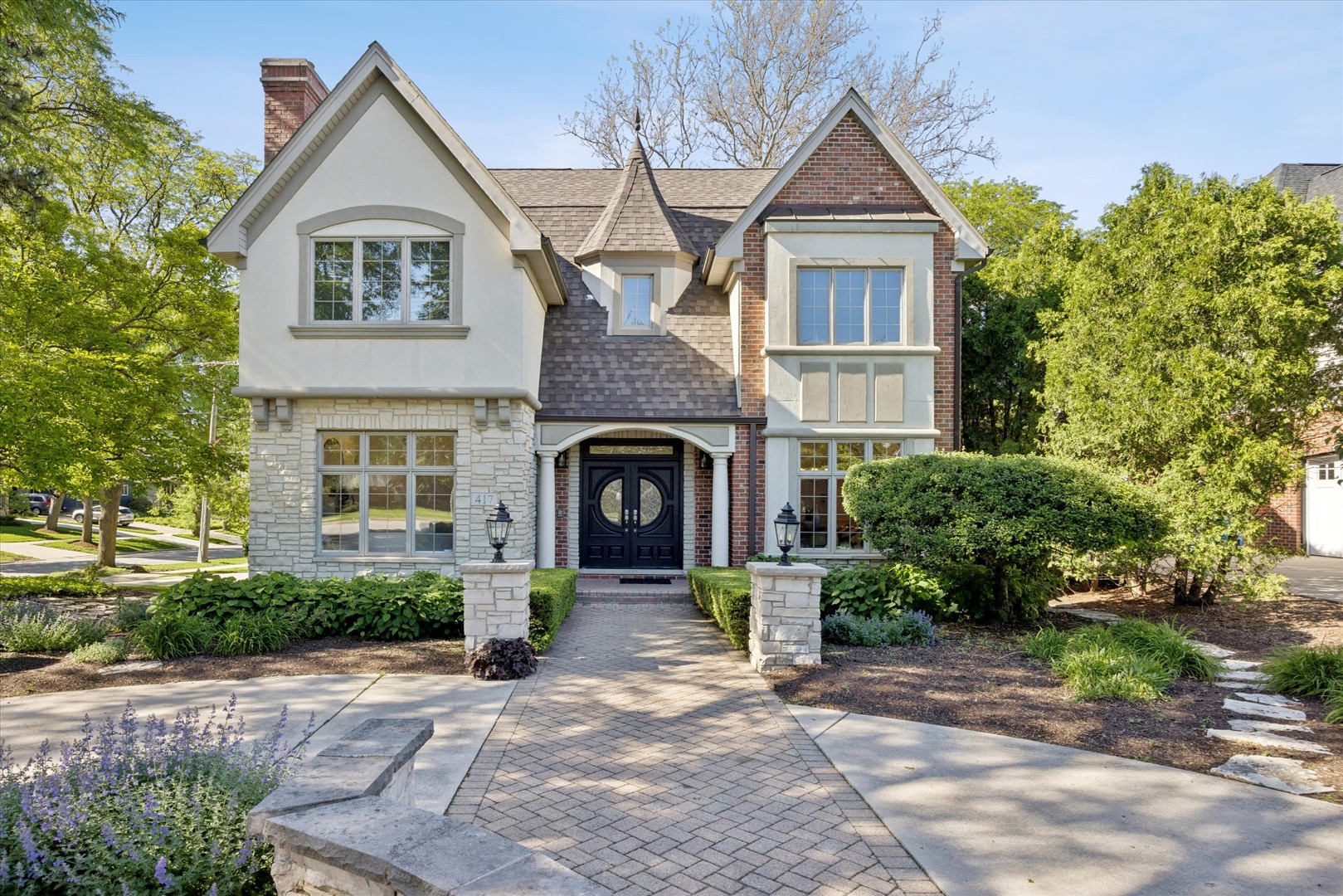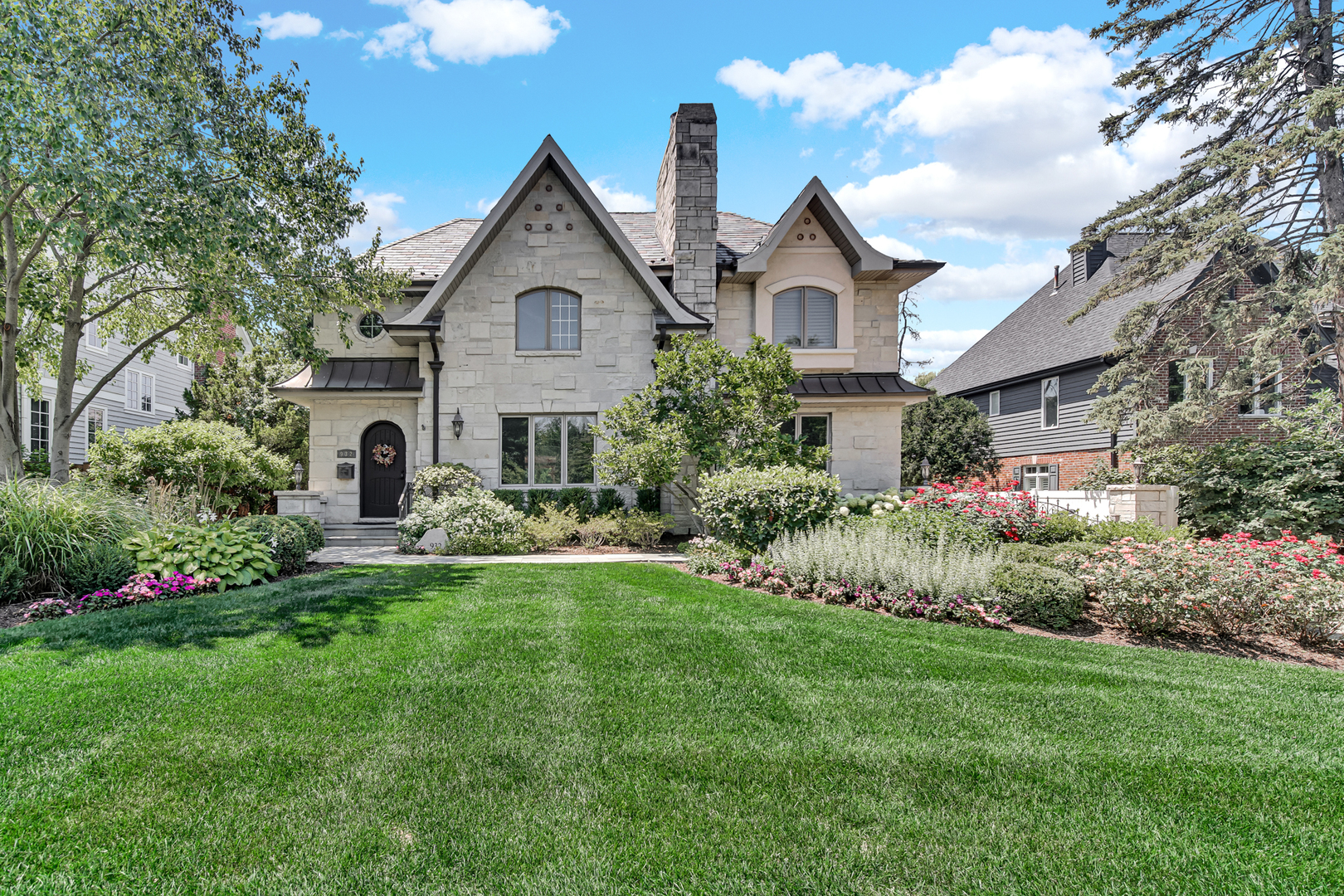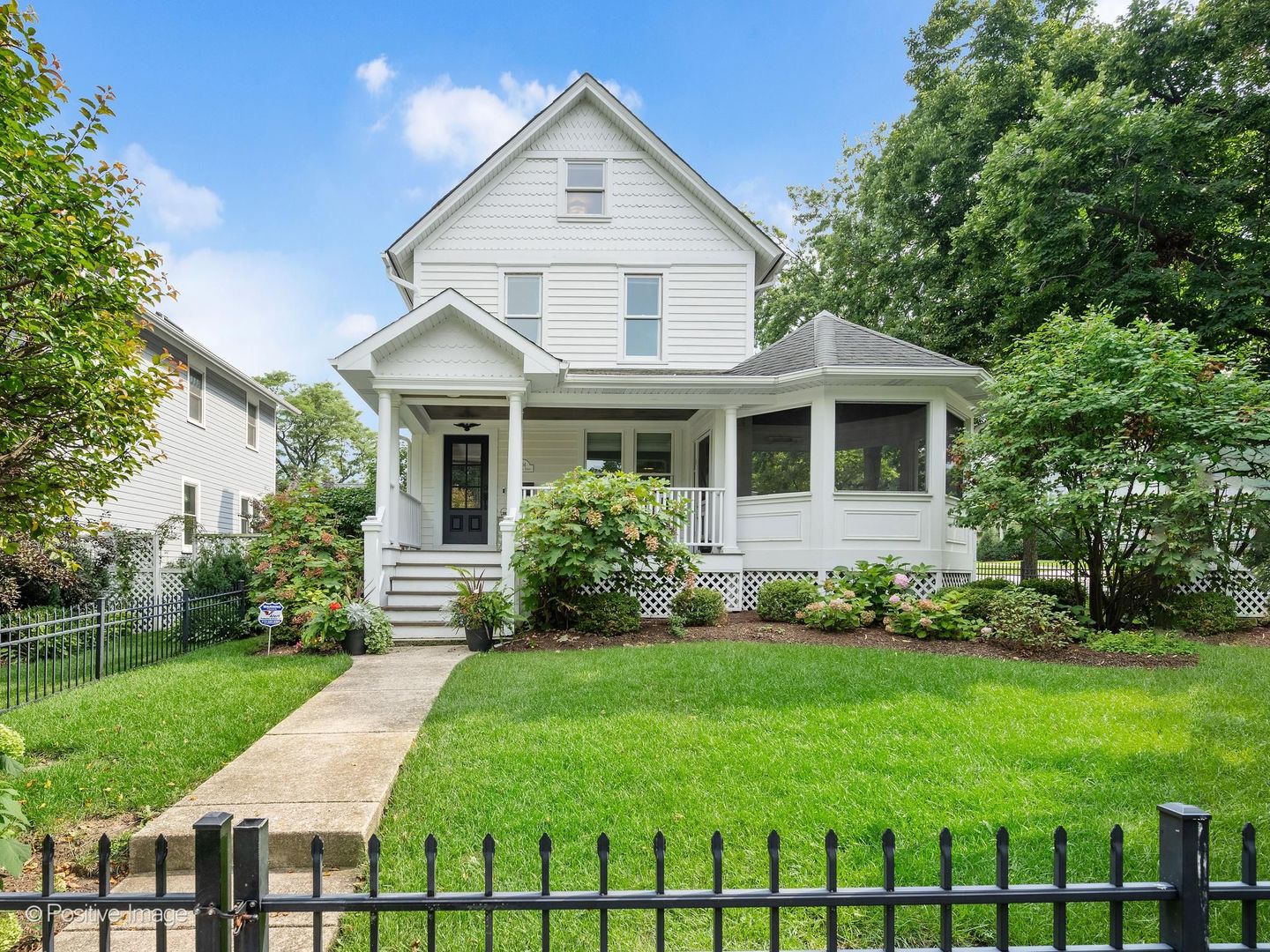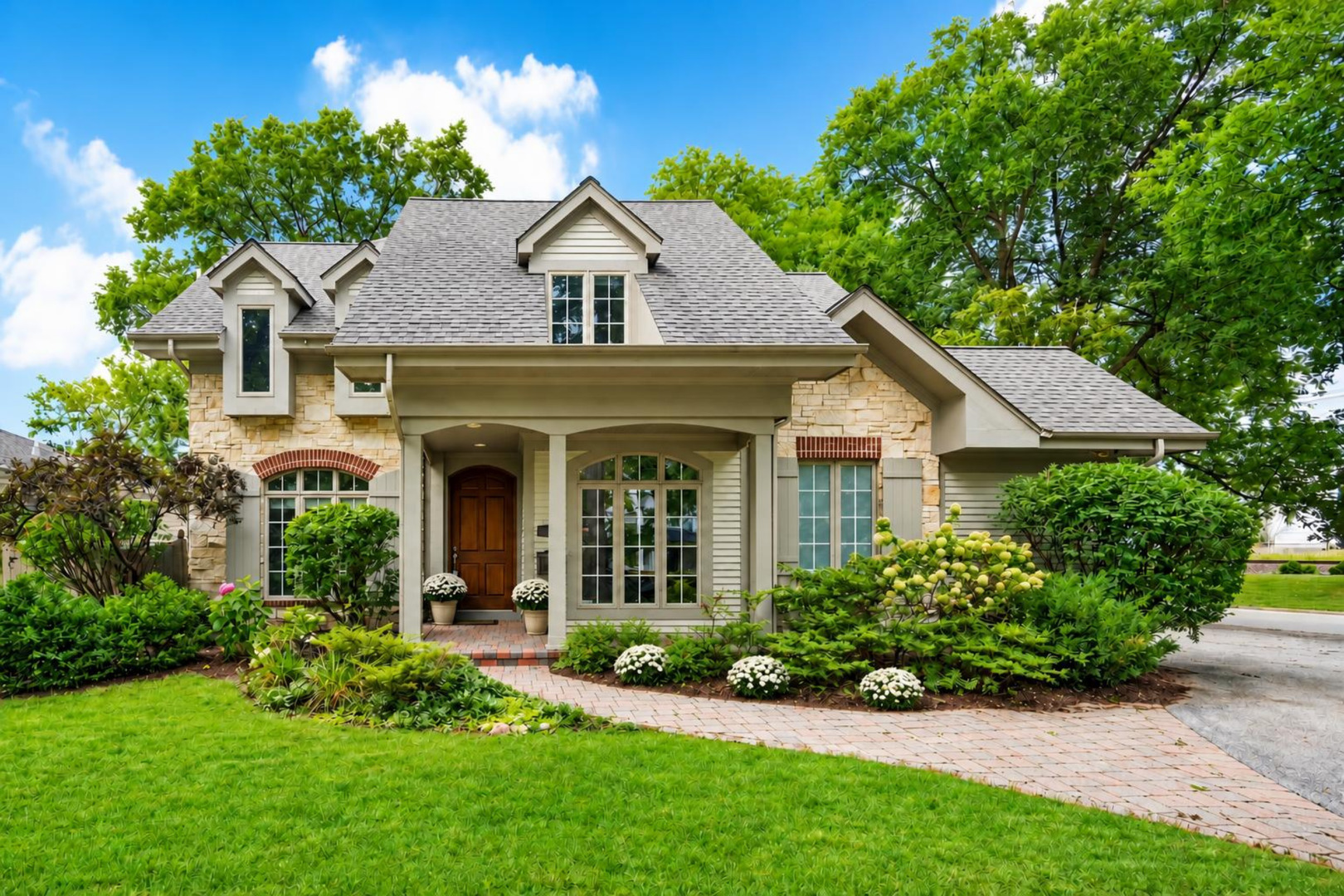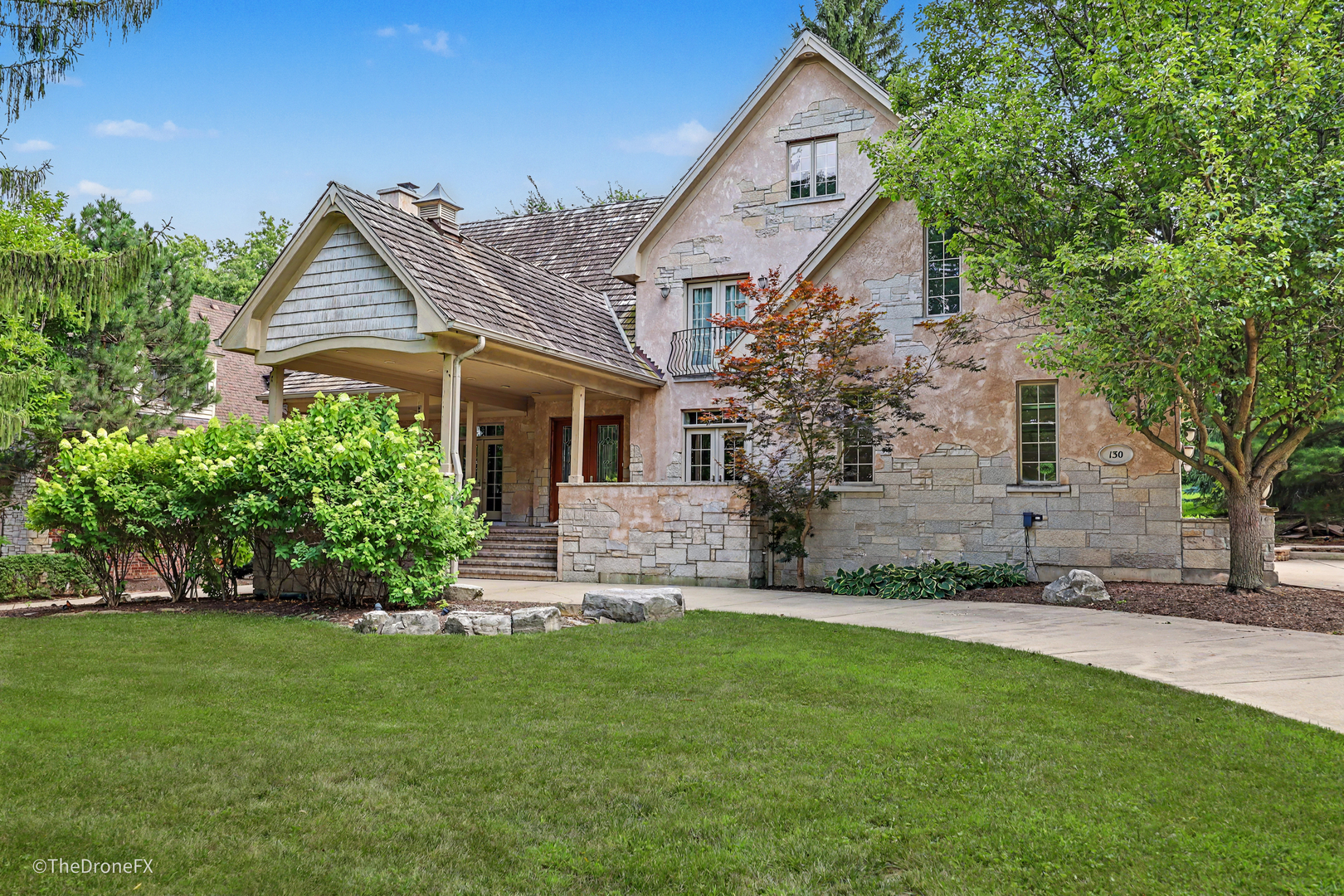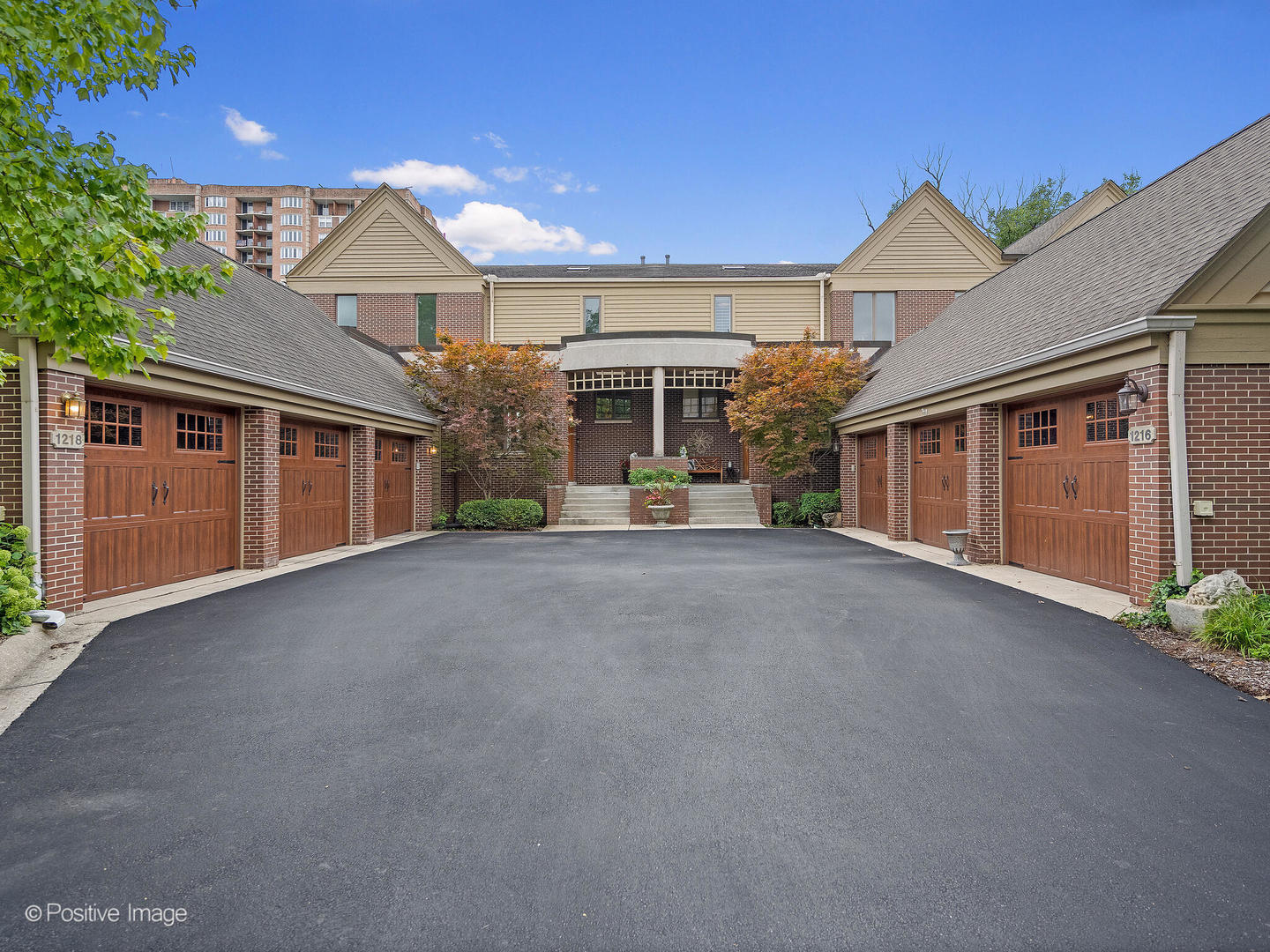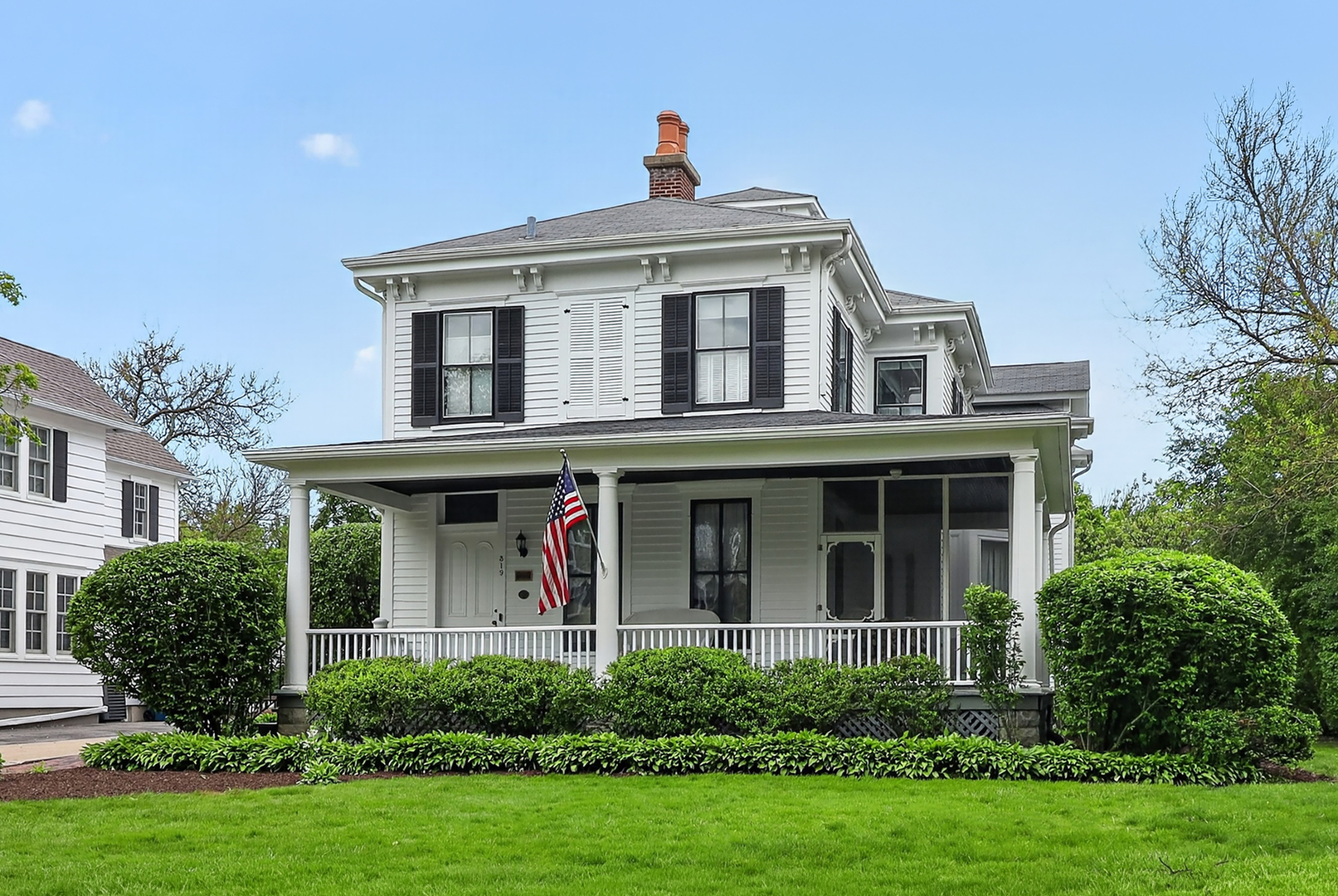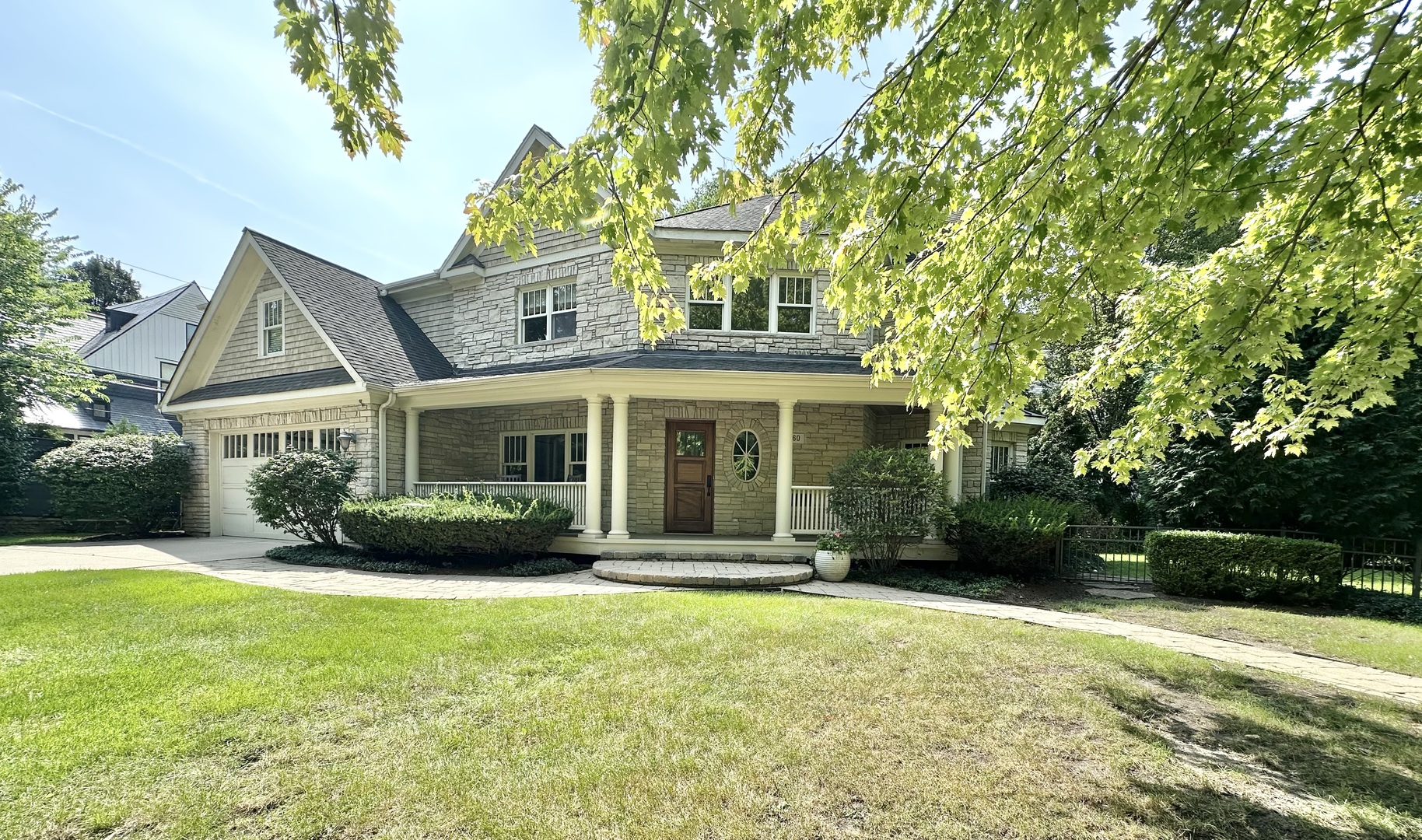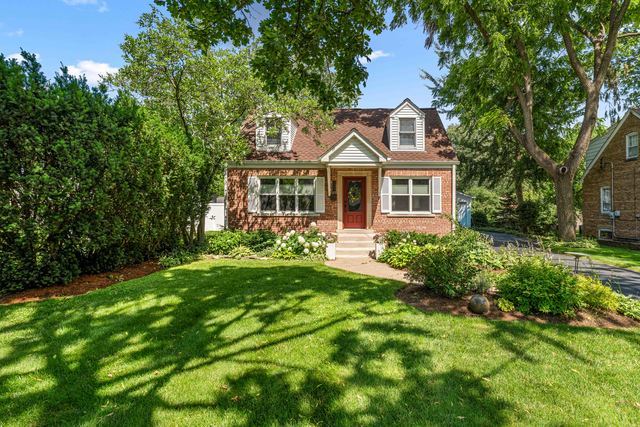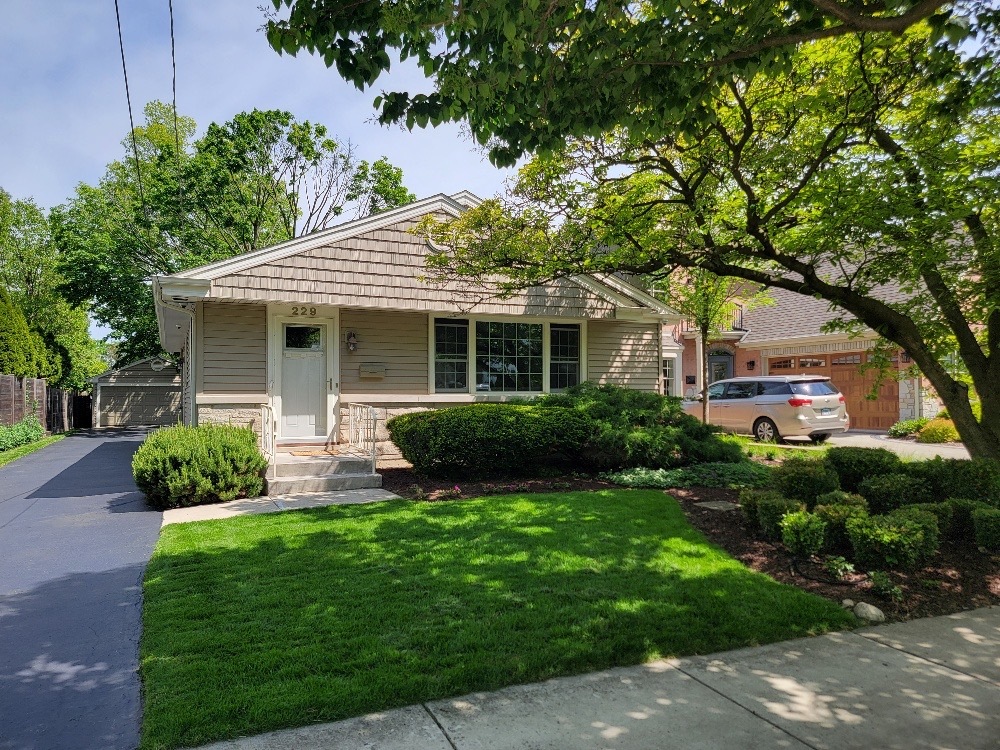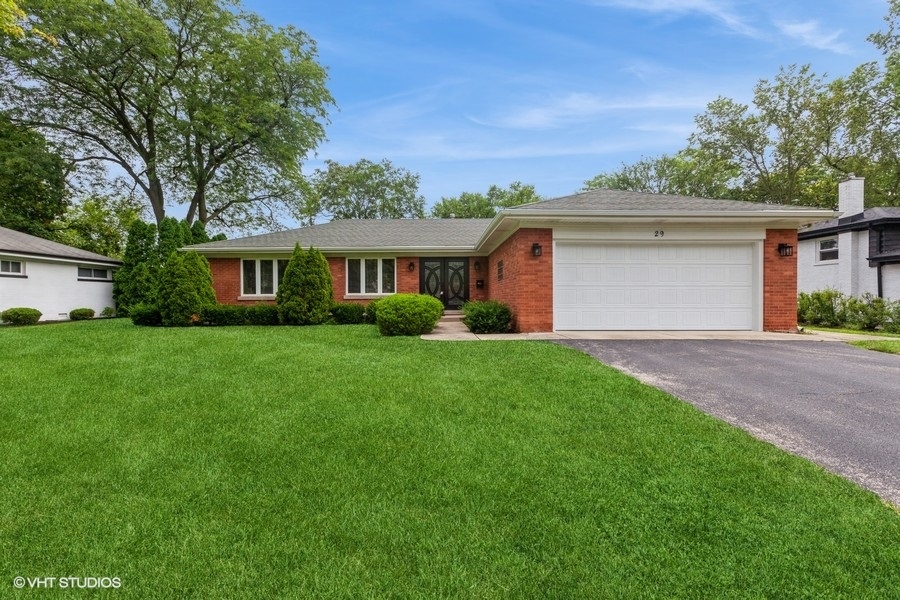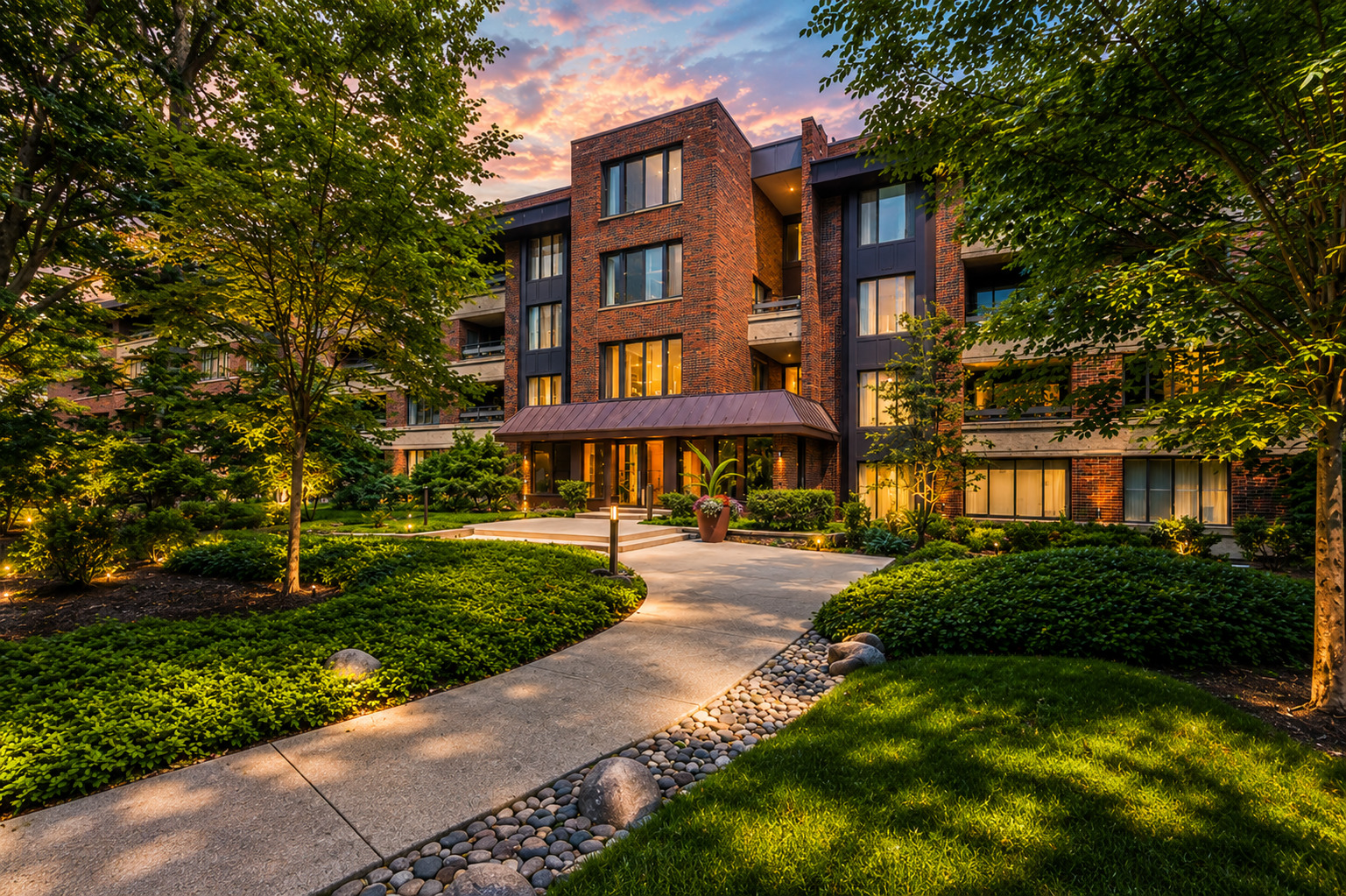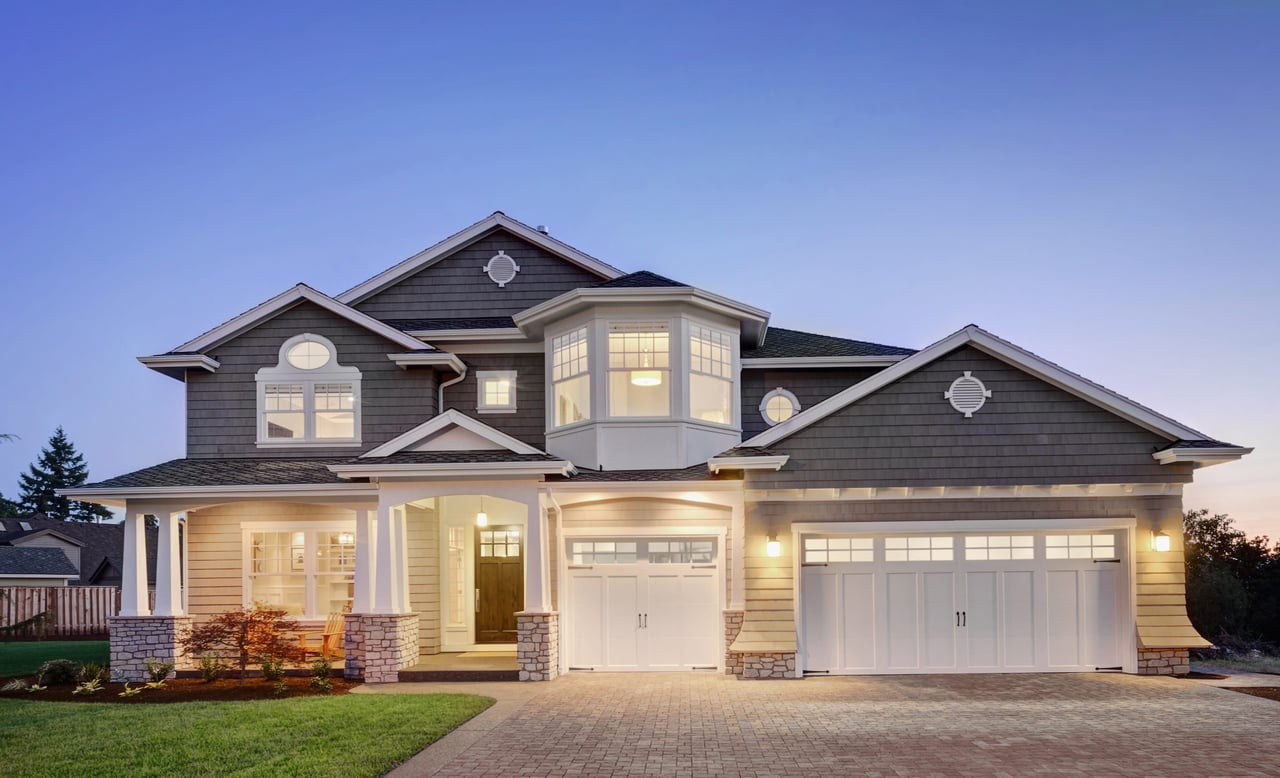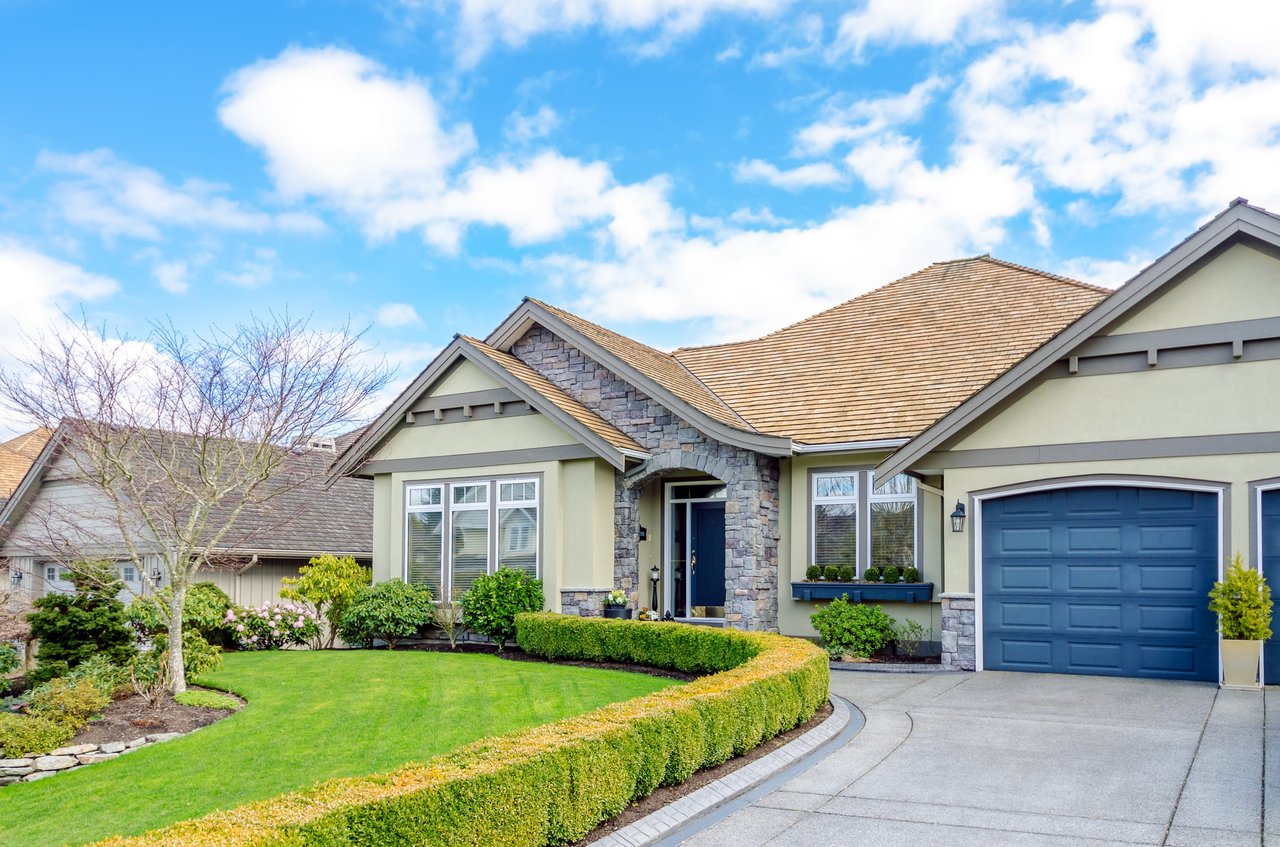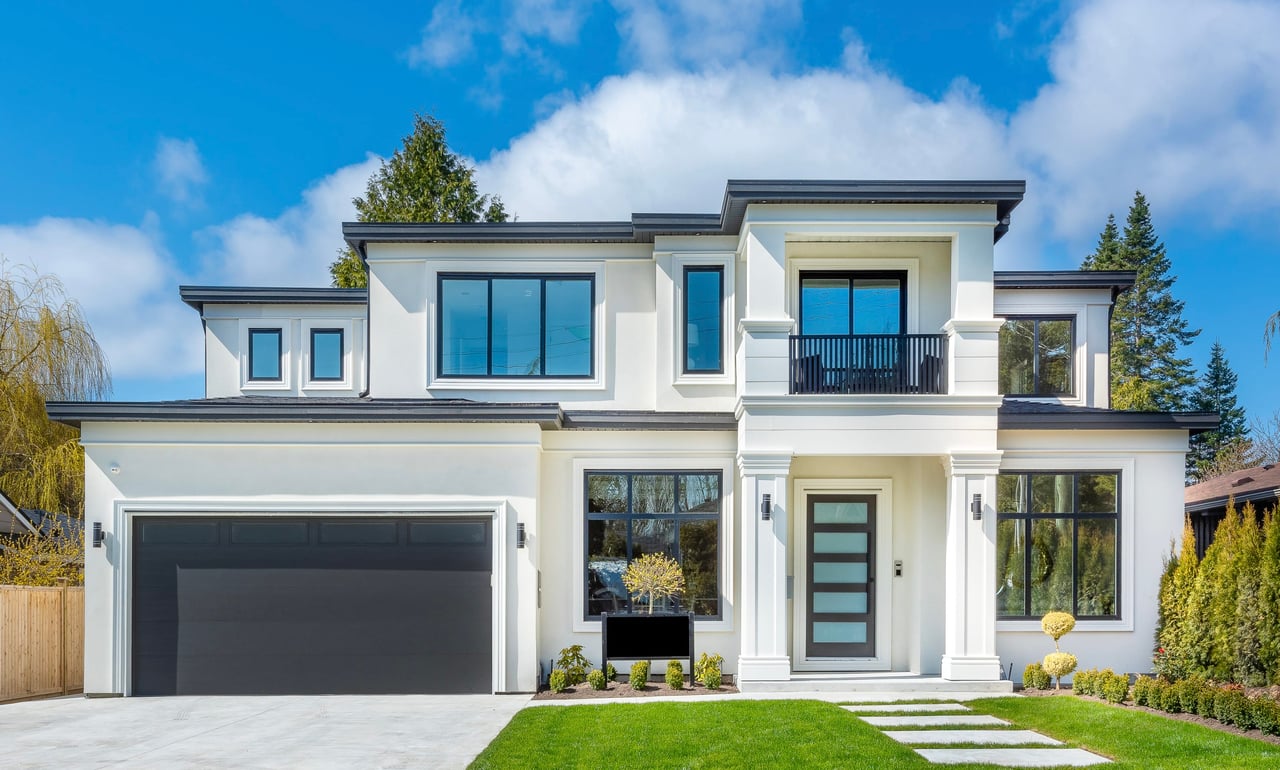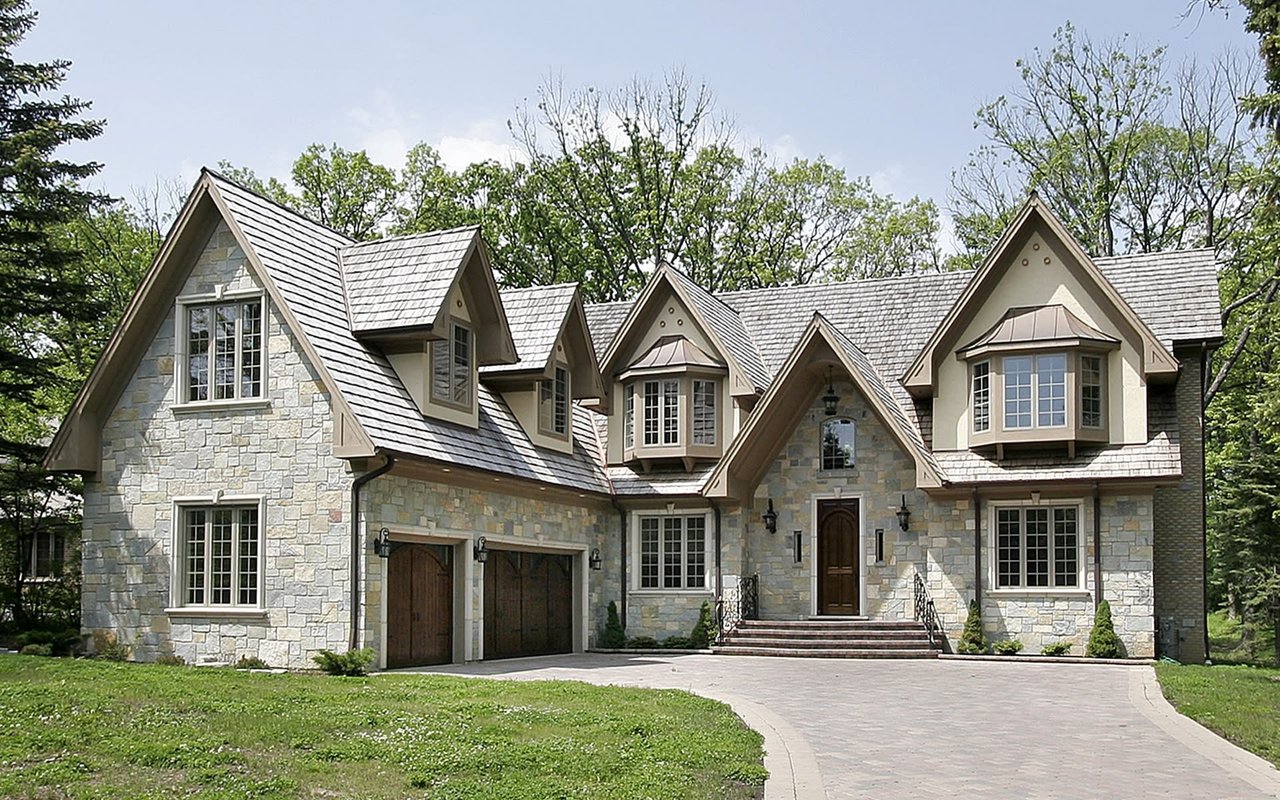
17,155 people live in Hinsdale, where the median age is 41.9 and the average individual income is $124,703. Data provided by the U.S. Census Bureau.
Total Population
Median Age
Population Density Population Density This is the number of people per square mile in a neighborhood.
Average individual Income
Hinsdale stands as one of the wealthiest and most prestigious communities in Illinois and the United States, a distinction it has earned through over 150 years of careful stewardship, exceptional schools, and architectural heritage. Incorporated in 1873 following the arrival of the Chicago, Burlington and Quincy Railroad, this village of approximately 17,400 residents has evolved from a pastoral railroad town into Chicago's premier western suburb, where tree-canopied streets, historic architecture, and modern luxury coexist in elegant harmony.
The village occupies 4.66 square miles primarily in DuPage County, with a small portion extending into Cook County. What distinguishes Hinsdale from other affluent suburbs is its commitment to preserving character while embracing progress. The downtown district, one of the few business districts in Illinois listed on the National Register of Historic Places, serves as the community's beating heart—a walkable collection of boutiques, restaurants, and services that maintains the intimate scale of a village center while offering sophisticated amenities.
Hinsdale consistently ranks among the top suburbs in the Chicago metropolitan area and nationally. With median household incomes exceeding $250,000, median home values above $1 million, and schools that perform in the top tier statewide, the village attracts families seeking the combination of excellent education, proximity to Chicago, and a refined quality of life that few communities can match. The population skews toward families with school-aged children and established professionals, with approximately 77% of residents holding at least a bachelor's degree and over 42% holding advanced degrees.
Boundaries and Neighboring Communities
Hinsdale sits 20 miles due west of downtown Chicago, positioned at the geographic center of one of the nation's most desirable suburban corridors. The village is bounded by Interstate 294 (the Tri-State Tollway) to the east, Route 83 to the west, Oak Brook to the north, and Burr Ridge and Willowbrook to the south. Western Springs borders Hinsdale to the east, while Clarendon Hills and Westmont lie to the west. This central location within DuPage County places residents within easy reach of major employment centers, international airports, and the cultural amenities of downtown Chicago.
Commute Routes and Accessibility
Transportation connectivity ranks among Hinsdale's most compelling advantages. The Tri-State Tollway (I-294) provides direct access to O'Hare International Airport (approximately 25 minutes) and Midway Airport (approximately 20 minutes), while also connecting to I-88, I-55, and I-290 for regional travel. U.S. Route 34 (Ogden Avenue) runs along the village's northern edge, providing an arterial alternative to the expressway system. Illinois Route 83 offers north-south connectivity through the western suburbs.
The Metra BNSF Railway Line—one of the busiest and most reliable commuter rail lines in the system—serves Hinsdale at three stations: Highlands, Hinsdale (downtown), and West Hinsdale. The downtown Hinsdale station is approximately 16.9 miles from Chicago's Union Station, with express trains completing the journey in as little as 23 minutes during rush hour. The line serves over 1,100 weekday boardings from Hinsdale alone, making it one of the busiest stations on the BNSF line. The historic 1899 depot, designed by Chicago, Burlington and Quincy Railroad architect Walter Theodore Krausch, is listed as a contributing building in the Downtown Hinsdale Historic District.
Terrain and Natural Surroundings
The landscape of Hinsdale features gently rolling topography characteristic of the Chicago region's glacial moraine deposits. Mature trees—elms, maples, and oaks, many over a century old—form canopies over residential streets, creating the verdant, established character that defines the village's aesthetic. Salt Creek, a significant waterway in the DuPage County watershed, flows through the northeastern portion of the community, contributing both scenic value and, for some properties, flood zone considerations that buyers should evaluate carefully.
Climate
Hinsdale experiences a humid continental climate typical of the greater Chicago area. Summers are warm and humid, with average high temperatures in July reaching the mid-80s Fahrenheit, while winters bring cold temperatures and regular snowfall, with January lows averaging in the teens. The village sees approximately 38 inches of annual precipitation and 30 inches of snowfall. Climate projections suggest increasing heat over the coming decades, with the number of days exceeding 102°F expected to rise significantly over the next 30 years—a consideration for long-term property planning and landscaping decisions.
Educational excellence forms the cornerstone of Hinsdale's appeal to families, with the community served by two districts that consistently rank among the finest in Illinois. The quality of local schools directly influences property values and remains the primary driver of residential demand, making school boundaries a critical consideration for any real estate transaction.
Community Consolidated School District 181 (Elementary and Middle)
District 181 serves students from pre-kindergarten through eighth grade across Hinsdale, Clarendon Hills, and a portion of Burr Ridge. The district operates nine schools and has earned a reputation for academic rigor that places it among the top three districts statewide. Recent Illinois Report Card data shows 89.1% of students scoring proficient in English Language Arts (compared to 53.1% statewide) and 84.4% proficiency in mathematics. Five District 181 schools—Elm, Madison, Prospect, The Lane, and Walker—received "Exemplary" designations, ranking in the top 10% of schools statewide with no underperforming student groups.
Elementary schools within Hinsdale include The Lane School, Madison School, Monroe School, and Oak School, each serving distinct attendance boundaries that significantly influence home values in their respective areas. Oak School, located in the southeast section of Hinsdale, serves one of the most sought-after attendance zones in the district, with average class sizes of 10-12 students. Hinsdale Middle School provides the transition to high school for most Hinsdale students, while some attend Clarendon Hills Middle School depending on their residence location. The district's chronic absenteeism rate of 7.4% stands well below the 25.4% state average, reflecting strong community engagement with education.
Hinsdale Township High School District 86
District 86 operates two high schools: Hinsdale Central and Hinsdale South. Hinsdale Central, located at 55th and Grant Streets within the village, serves approximately 2,600 students from Hinsdale, Clarendon Hills, Oak Brook, and Western Springs. The school has been designated "Exemplary" on the Illinois Report Card, ranking in the top 10% statewide, with 87.8% proficiency in English Language Arts, 81.5% in mathematics, and 82.5% in science based on ACT scores. Niche ranks Hinsdale Central among the top 10 public high schools in Illinois.
The school offers extensive Advanced Placement coursework, competitive athletics, and extracurricular programs including an on-site radio station where students develop broadcasting skills. Hinsdale South, located in Darien, serves students from portions of Hinsdale as well as Willowbrook, Darien, and Burr Ridge. Buyers should verify which high school their prospective property feeds into, as the distinction between Hinsdale Central and Hinsdale South attendance zones can influence both lifestyle and resale value.
Private School Options
St. Isaac Jogues Catholic School provides a K-8 parochial alternative within Hinsdale. The broader western suburban area offers additional private options including Fenwick High School in Oak Park (accessible via Metra) and various independent schools in neighboring communities. The strength of public school options in Hinsdale means private school enrollment remains relatively modest compared to communities with weaker public systems.
Hinsdale maintains over 120 acres of parkland, providing residents with an extensive network of recreational amenities that enhance quality of life and support property values throughout the village. The parks system, administered by the Hinsdale Parks and Recreation Department, ranges from expansive natural areas to neighborhood playgrounds, offering something for every age and interest.
Katherine Legge Memorial Park (KLM)
The crown jewel of Hinsdale's park system, Katherine Legge Memorial Park encompasses 52 acres of lush, wooded landscape along County Line Road. The park's origins as an opulent gift from Alexander Legge, former President of International Harvester, to his wife Katherine give it a distinctive character. Upon Katherine's death in 1924, Alexander established the property as a retreat for women employed by International Harvester. The Village acquired the park in the 1970s, and in 2008, the Illinois chapter of the American Institute of Architects recognized KLM Park and Lodge as one of 150 "Great Places in Illinois."
The park features the historic Katherine Legge Memorial Lodge, designed in 1927 by renowned architect R. Harold Zook in the English Cotswold style. The Lodge's first floor provides a spacious living room with fireplace, dining room, and access to patios and grounds, while the second-floor ballroom accommodates events for up to 250 guests. The facility is available for private rentals including weddings, corporate events, and social gatherings. KLM Park also offers a popular off-leash dog area with designated hours, picnic shelters, and extensive walking trails through the wooded grounds.
Neighborhood Parks
Veeck Park (14.7 acres) serves as the village's primary athletic facility, containing a skate park, baseball field, four soccer/football fields, playground, and sheltered areas. Burns Field (6.55 acres) offers year-round activity with ice skating in winter, six tennis courts, two platform tennis courts, sand volleyball, basketball, and a covered picnic area. Brook Park (8.3 acres) features a ball field, football/soccer field, playground, and four tennis courts. Pierce Park (8.82 acres) provides a ball field, football/soccer field, picnic area, playground, shelter, and tennis courts. Robbins Park (14.5 acres), adjacent to the historic district of the same name, includes a football/soccer field, playground, and tennis courts.
Hinsdale Community Swimming Pool
The village operates a 3-acre public swimming facility that serves as a summer social hub for families. The pool complex includes competitive lap lanes, recreational swimming areas, and programming for all ages. Membership is available to residents and, with restrictions, to non-residents.
Regional Recreation
Adjacent to Hinsdale, Fullersburg Woods Forest Preserve offers hiking trails, natural areas, and the historic Graue Mill—a working watermill and museum dating to 1852. The DuPage County Forest Preserve system provides extensive additional recreational opportunities within a short drive, including golf courses, nature centers, and multi-use trails.
Downtown Hinsdale represents the epitome of a curated suburban shopping and dining district—sophisticated enough to satisfy discerning tastes yet intimate enough to maintain village character. The historic downtown, one of the few business districts in Illinois listed on the National Register of Historic Places, concentrates retail and dining establishments within easy walking distance of the train station and Burlington Park.
Dining
Vistro Prime anchors the fine dining scene as a neighborhood steakhouse in the heart of downtown, having evolved from its predecessor Vistro under the culinary direction of Chef Paul Virant. The restaurant offers traditional steakhouse fare alongside signature dishes, with a bar program emphasizing classic cocktails. Il Poggiolo brings upscale Italian dining to a converted historic theater space, serving antipasti, fresh pasta, and an extensive wine list in an architecturally distinctive setting. Wild Ginger provides contemporary Asian fusion and sushi in a sleek environment suitable for both casual and special-occasion dining.
For everyday dining, Giuliano's Pizza has expanded from a simple pizza establishment into a full-service Italian restaurant beloved by locals. Toni Patisserie Cafe brings Parisian-style pastry and cafe fare to downtown, with quiches, macarons, eclairs, and specialty desserts. YiaYia's Cafe in Grant Square serves breakfast and lunch with a Greek-influenced menu. Fuller House offers wood-fired pizzas and elevated pub fare in a casual atmosphere popular with families. Newer additions include specialty food purveyors offering cheese and charcuterie boards, artisanal offerings, and grab-and-go options that fill gaps in the downtown dining landscape.
Shopping
Downtown Hinsdale's retail mix emphasizes boutique shopping with exclusive brands and one-of-a-kind offerings rather than national chain stores. Fashion boutiques carry curated collections from established and emerging designers, with an emphasis on women's apparel, jewelry, and accessories. Home furnishing stores and interior design services cater to residents furnishing and upgrading the village's substantial housing stock. Children's boutiques, gift shops, and specialty retailers round out the offerings.
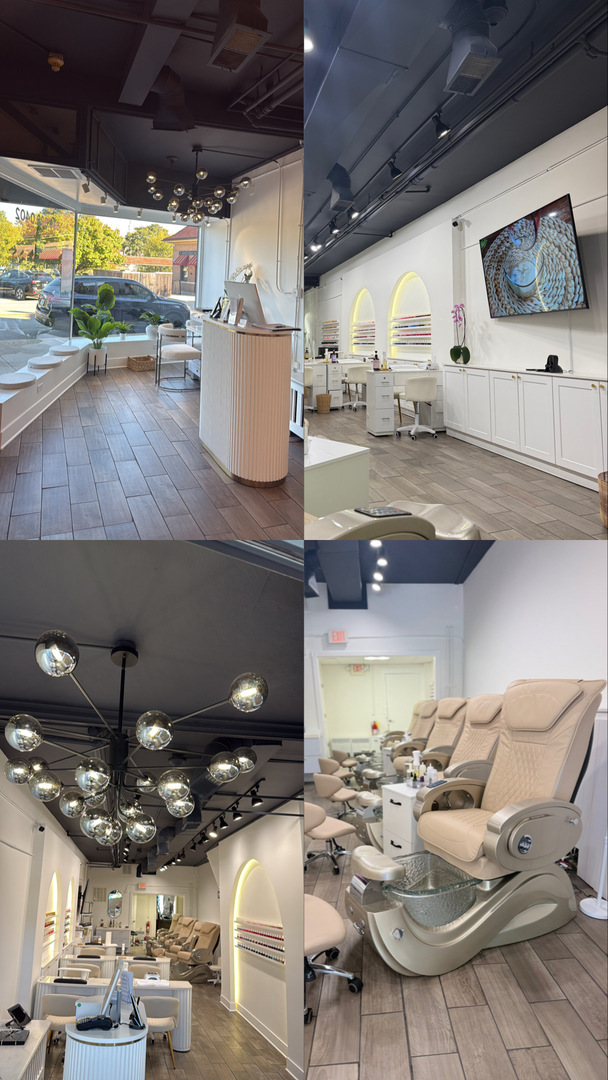
Sass-N-Class has operated in downtown Hinsdale for 50 years, exemplifying the long-standing local businesses that give the district its character. Frederick Lynn Haberdasshere offers appointment-based custom menswear with premium fabrics. Sweet Ali's Gluten Free Bakery provides a dedicated allergen-friendly option. The mix of salons, day spas, nail boutiques, and traditional barber shops offers comprehensive personal services.
Healthcare
UChicago Medicine AdventHealth Hinsdale, located at 120 North Oak Street, provides comprehensive medical care within the village. Founded in 1904, the hospital is DuPage County's only teaching hospital and has earned recognition as one of America's safest hospitals, receiving consecutive "A" grades from The Leapfrog Group since 2013. The facility holds Magnet Recognition for nursing excellence and serves as a Level II trauma center. The hospital's partnership between AdventHealth and UChicago Medicine combines faith-based whole-person care philosophy with academic medical expertise.
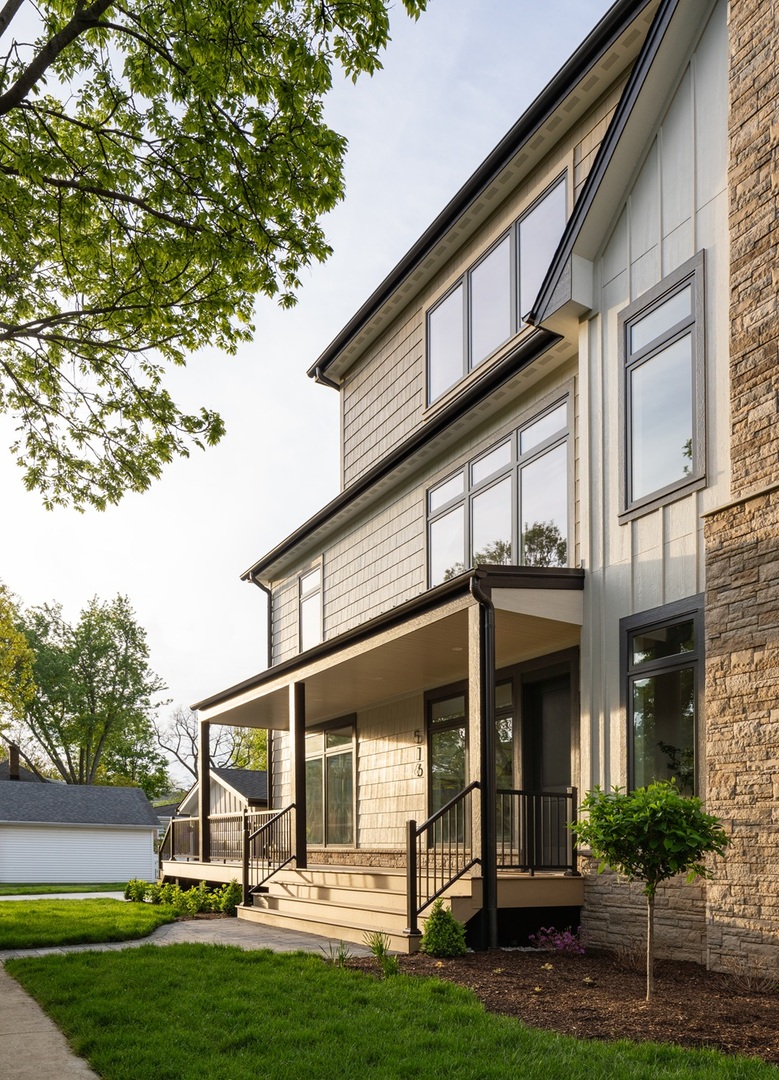
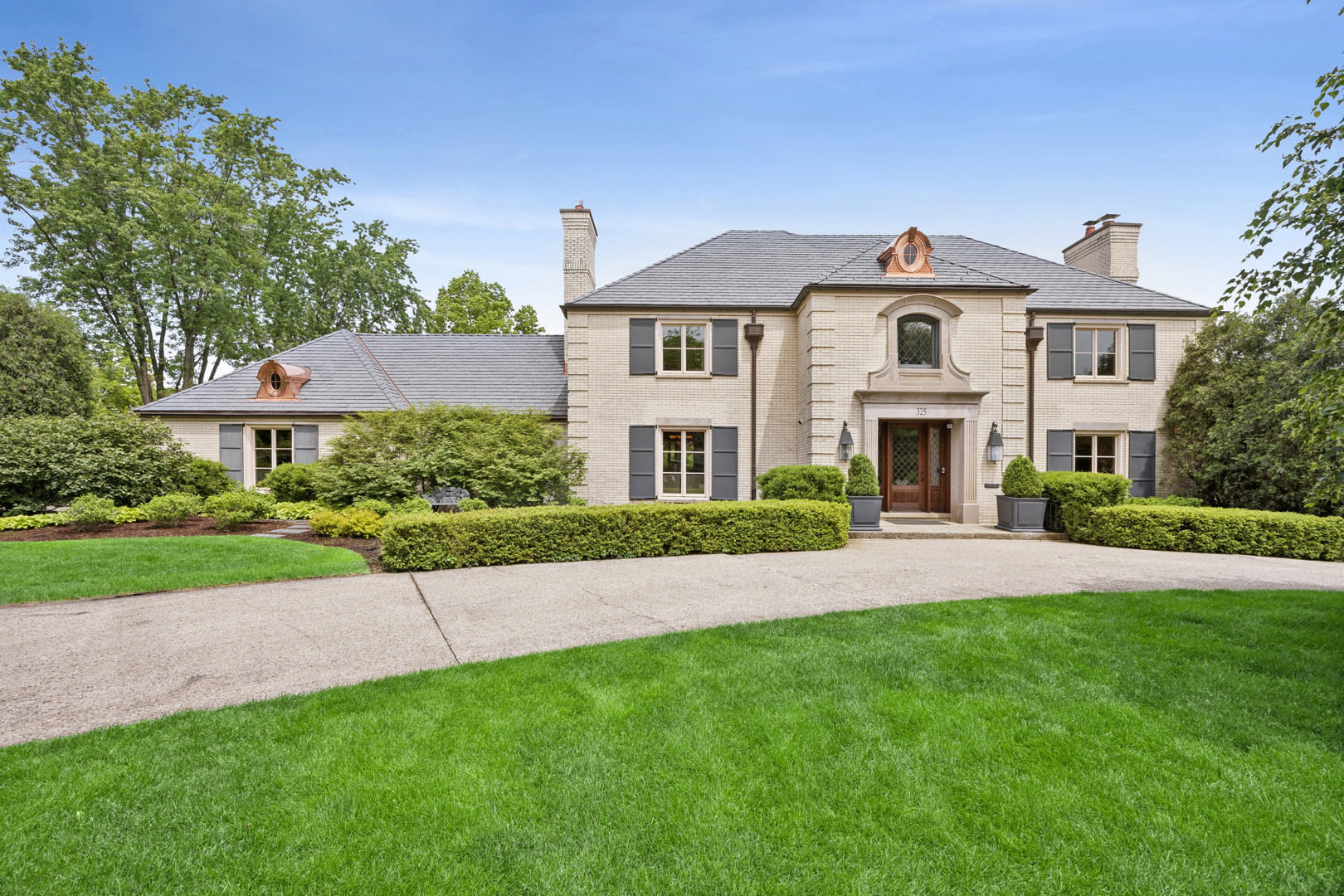
Hinsdale's architectural heritage distinguishes it from newer suburban developments, offering a depth of character that cannot be replicated. The village contains two National Register Historic Districts—the Downtown Hinsdale Historic District and the Robbins Park Historic District—along with six individual buildings on the National Register of Historic Places and 17 locally designated Hinsdale Historic Landmarks. This concentration of significant architecture reflects over 150 years of development by prosperous families and talented architects.
R. Harold Zook and the Cotswold Cottage Tradition
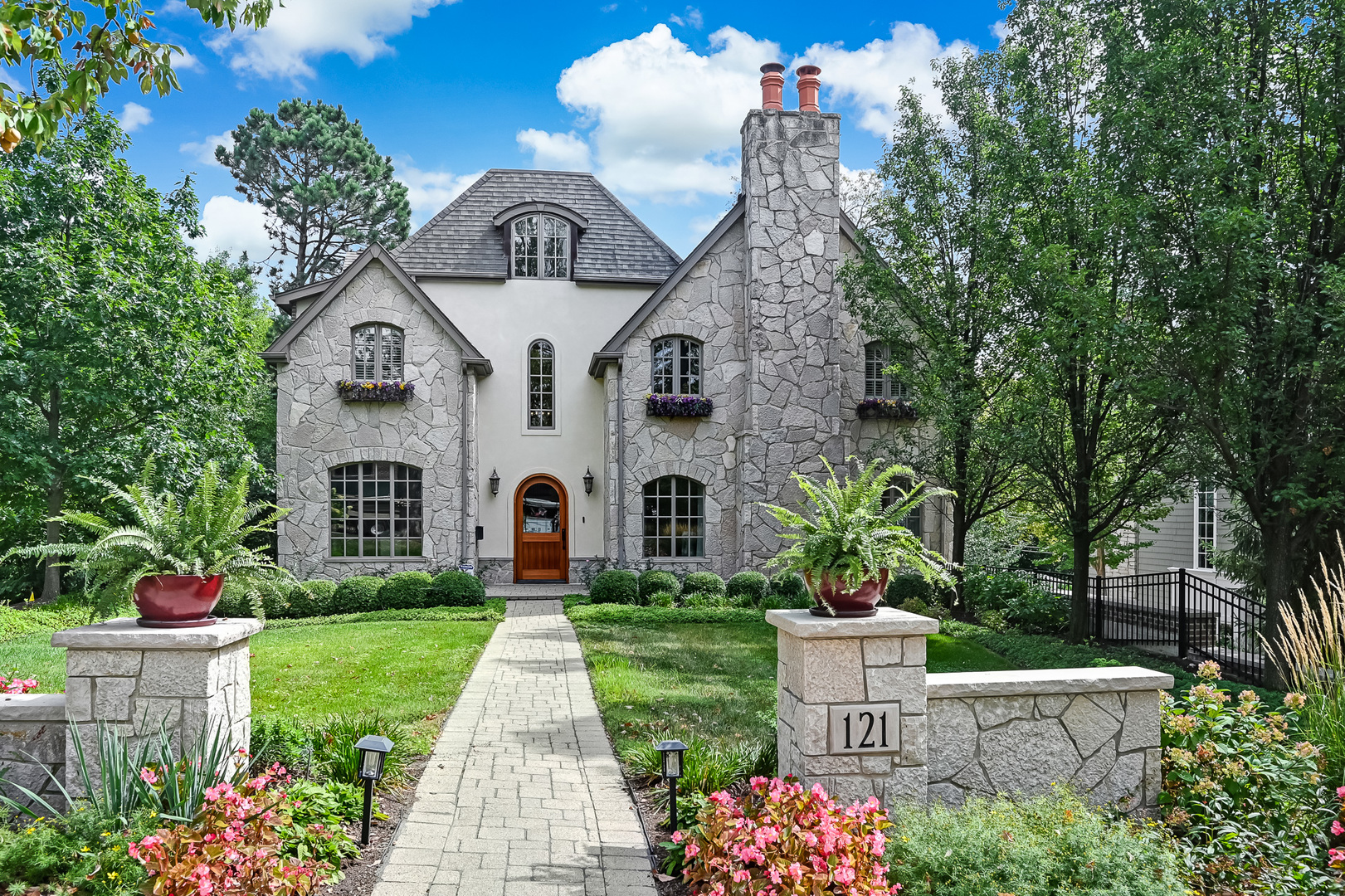
No architect left a more distinctive mark on Hinsdale than R. Harold Zook (1889-1949), whose romantic English Cotswold cottage designs earned comparison to Frank Lloyd Wright's impact on Oak Park. Zook designed 34 homes and buildings in Hinsdale between 1922 and 1953, with 28 houses still standing. His signature style incorporated Tudor architecture details including timber framing, exposed beams, diamond-shaped window panes, and intricate brickwork. Zook developed a distinctive roofing technique—the "Zook roof"—using wood shingles laid in undulating patterns to recreate the appearance of thatched roofing, with "rolled eaves" creating curved transitions into walls below. His ornamental ironwork featured a trademark spider web pattern.
Zook's own home and studio, originally at 327 South Oak Street, was saved from demolition in 2005 through relocation to Katherine Legge Memorial Park. The Hinsdale Historical Society now operates the R. Harold Zook Home and Studio as part of its programming. Owning a Zook house in Hinsdale commands premium pricing, with these properties sought by buyers who appreciate architectural significance.
Robbins Park Historic District
The Robbins Park Historic District, added to the National Register in 2008, encompasses 368 buildings east of downtown, bounded by Garfield Street, County Line Road, Hinsdale Avenue, and 9th Street. The district originated with William Robbins' land purchases and plattings in the 1860s and 1870s. Notably, the 1871 addition employed landscape architect Horace W.S. Cleveland to design curvilinear streets that preserved mature trees and natural topography—an early example of environmentally sensitive subdivision design.
The district includes architecturally significant homes spanning 130 years, designed by notable architects including William Gibson Barfield (who designed the Hinsdale Theatre and Hinsdale State Bank), Philip Duke West, and George Grant Elmslie. Individual National Register listings within the district include the William Whitney House and the Robert A. and Mary Childs House. Styles range from Queen Anne and Colonial Revival to Prairie and Craftsman, representing the evolution of American residential architecture through multiple eras.
The Teardown Phenomenon and Preservation Challenges
Hinsdale has been characterized as the "epicenter" of the teardown phenomenon that began in the 1980s, with well over 25% of original homes replaced by larger new construction valued at $1 million and above. This trend has claimed historically significant structures, including at least seven Zook-designed homes over the past few decades. The Hinsdale Historic Preservation Commission reviews demolition requests for landmarked properties and those within historic districts, though its opinions are nonbinding—homeowners can proceed with demolition even after denial of certificates of appropriateness.
The Hinsdale Historical Society, operating since 1975, advocates for preservation through the Roger & Ruth Anderson Architecture Center. The society maintains the Hinsdale History Museum, Immanuel Hall, and the Zook Home and Studio, while offering historic plaque programs for significant properties. For buyers, the tension between preservation and redevelopment creates both opportunities (acquiring significant architecture) and considerations (potential restrictions on modifications).
Transportation infrastructure ranks among Hinsdale's competitive advantages, providing multiple options for reaching downtown Chicago, regional employment centers, and the metropolitan airport system. The combination of reliable commuter rail service and expressway access makes Hinsdale viable for professionals working throughout the Chicago area.
Metra BNSF Railway Line
The BNSF line serves as Hinsdale's primary commuter rail connection, operating one of Metra's most frequent and reliable schedules. The downtown Hinsdale station at 21 East Hinsdale Avenue provides the primary boarding point, with a staffed waiting room open 4:30 a.m. to 8:00 p.m. on weekdays and ticket vending machines available around the clock. The station lies in Zone 3 of Metra's fare structure. Express trains reach Chicago's Union Station in approximately 23 minutes, while local trains complete the 16.9-mile journey in about 40 minutes. The station sees approximately 1,155 weekday boardings, ranking it among the 35 busiest of Metra's 236 non-downtown stations.
West Hinsdale station (at Hinsdale Avenue and Stough Street) and Highlands station provide rush-hour alternatives. Both operate as shelter-only stops with limited weekday service. Combined parking across the three stations totals approximately 487 spaces, managed by the Village of Hinsdale. Commuters should expect competition for prime parking spots, particularly at the downtown station. The BNSF line continues west to Aurora and east through Chicago's western suburbs before terminating at Union Station, making connections to CTA rapid transit, other Metra lines, and Amtrak straightforward.
Highway Access
Interstate 294 (Tri-State Tollway) provides Hinsdale's primary expressway connection, with interchanges accessible via Ogden Avenue. The tollway connects northbound to I-88 (East-West Tollway) and I-290 (Eisenhower Expressway), and southbound to I-55 (Stevenson Expressway). Drive times to downtown Chicago range from 30 minutes in light traffic to over an hour during peak congestion. O'Hare International Airport is approximately 25 minutes via I-294 and I-190, while Midway Airport is approximately 20 minutes via I-294 and I-55.
Local Transportation
Pace bus lines 663 and 668 serve Hinsdale, providing connections to surrounding communities and Metra stations on other lines. However, Hinsdale's suburban character means most residents rely on personal vehicles for local errands. The walkable downtown allows residents in adjacent neighborhoods to accomplish shopping and dining on foot, while the village's relatively compact geography makes cycling practical for recreational purposes. The village maintains bike routes connecting parks and neighborhoods.
Hinsdale's real estate market reflects its status as one of the Chicago area's most desirable residential communities, characterized by high price points, strong demand, and a diverse inventory ranging from meticulously maintained historic homes to contemporary new construction. Understanding market dynamics is essential for both buyers navigating competitive conditions and sellers positioning properties for optimal results.
Current Market Conditions
The median sale price in Hinsdale stands at approximately $1.2 million to $1.5 million depending on the measurement period and source, with the Zillow Home Value Index placing the average home value at approximately $1 million. These figures represent properties across all sizes and conditions; premium properties in desirable locations regularly trade above $2 million, with exceptional estates reaching $5 million or more. The median price per square foot ranges from $325 to $400, reflecting both the quality of construction and land values in the community.
Market velocity remains strong, with properties averaging 15 to 55 days on market depending on pricing and condition. Well-priced homes in desirable locations sell quickly—recent data shows 92% of homes selling within 30 days. The market sees approximately 300-350 transactions annually, with inventory typically running 1-2 months supply under normal conditions. This limited inventory relative to demand creates competitive conditions for buyers, particularly in the most sought-after neighborhoods and school attendance zones.
Price Stratification
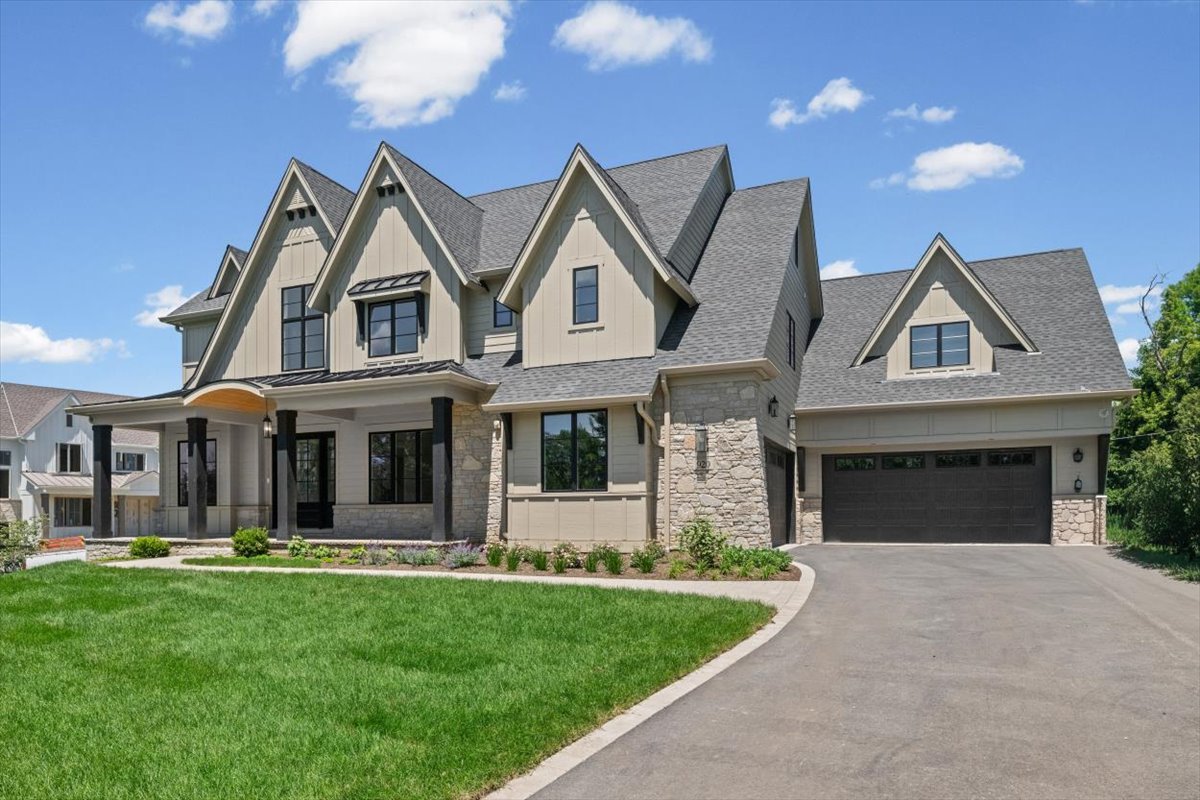
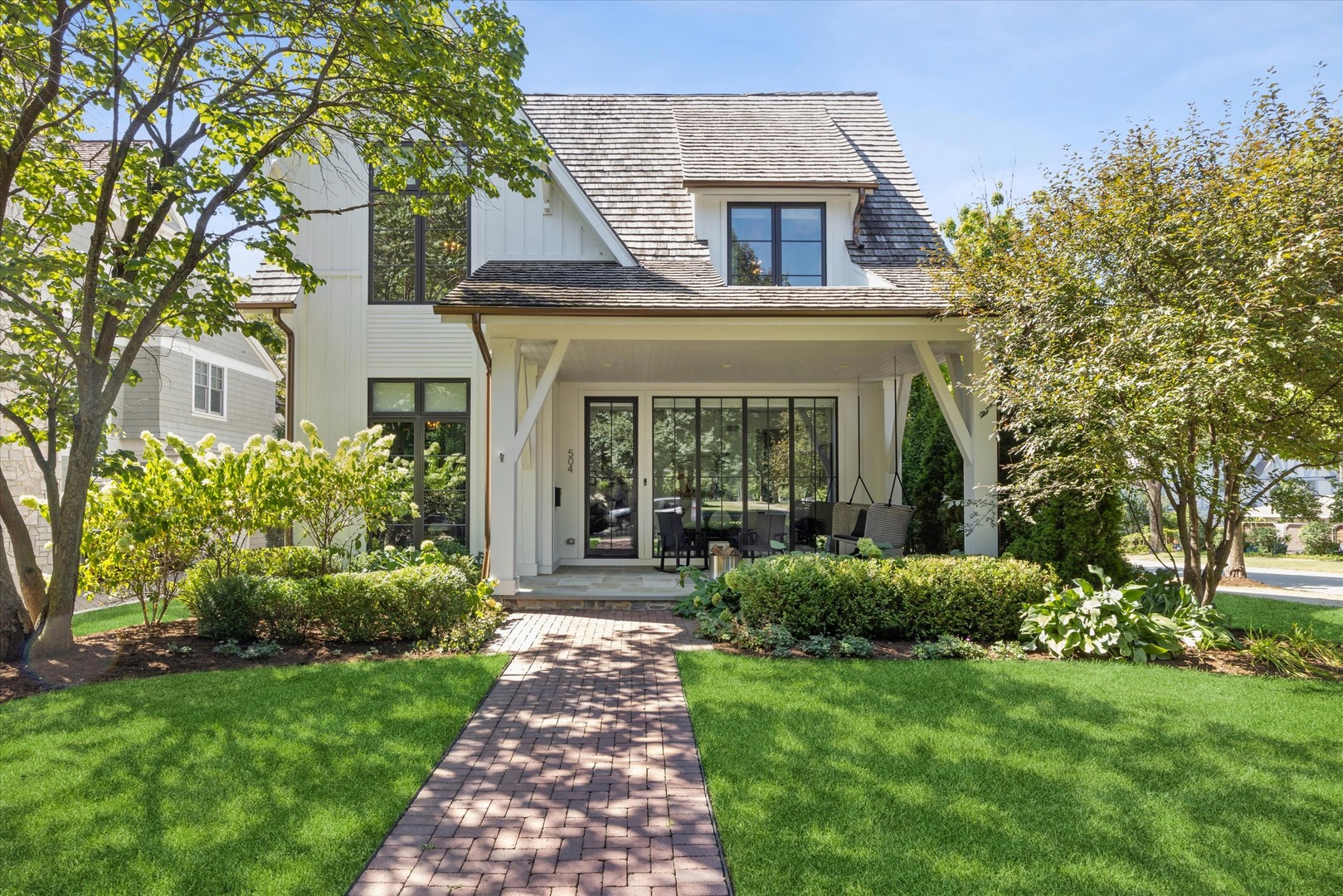
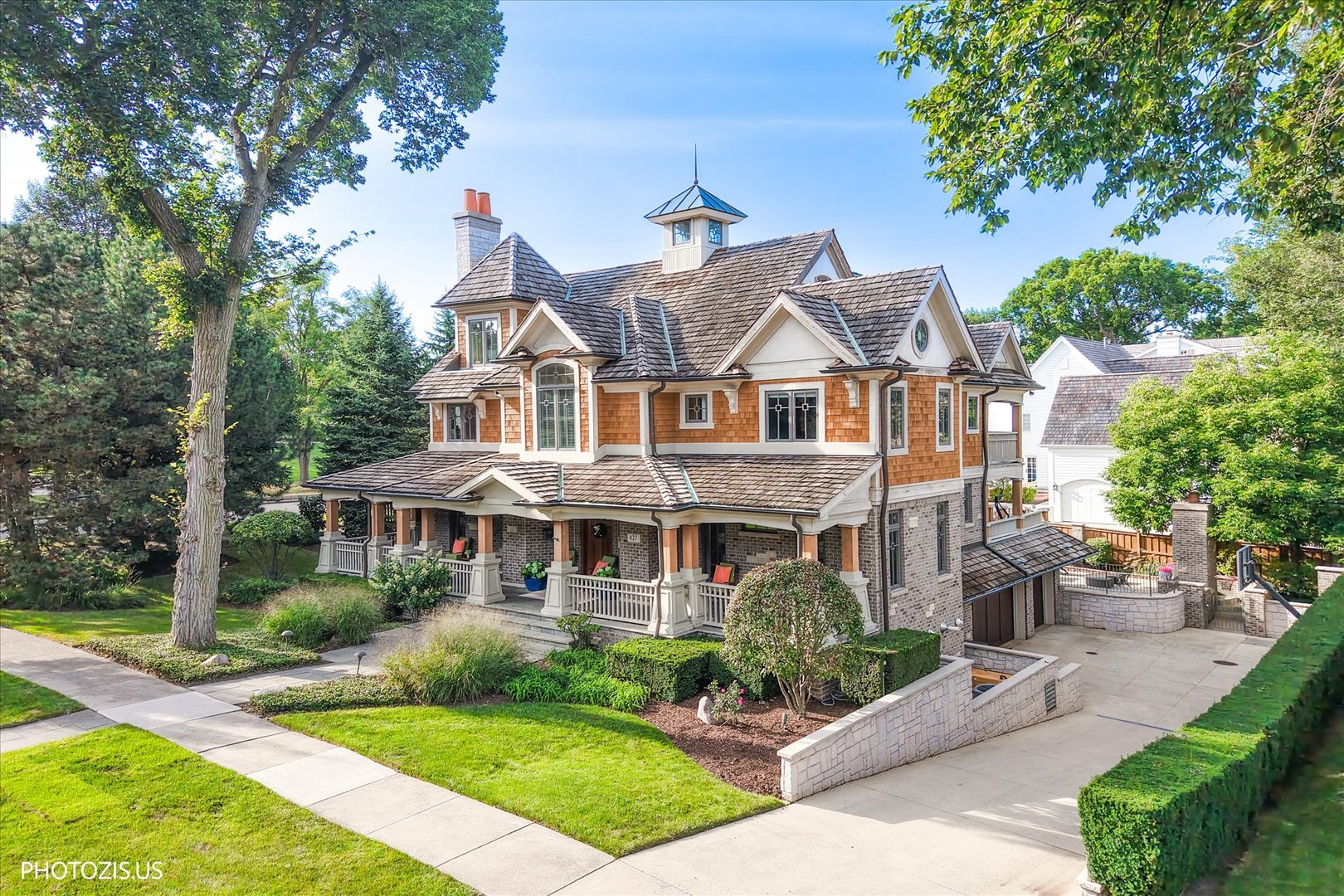
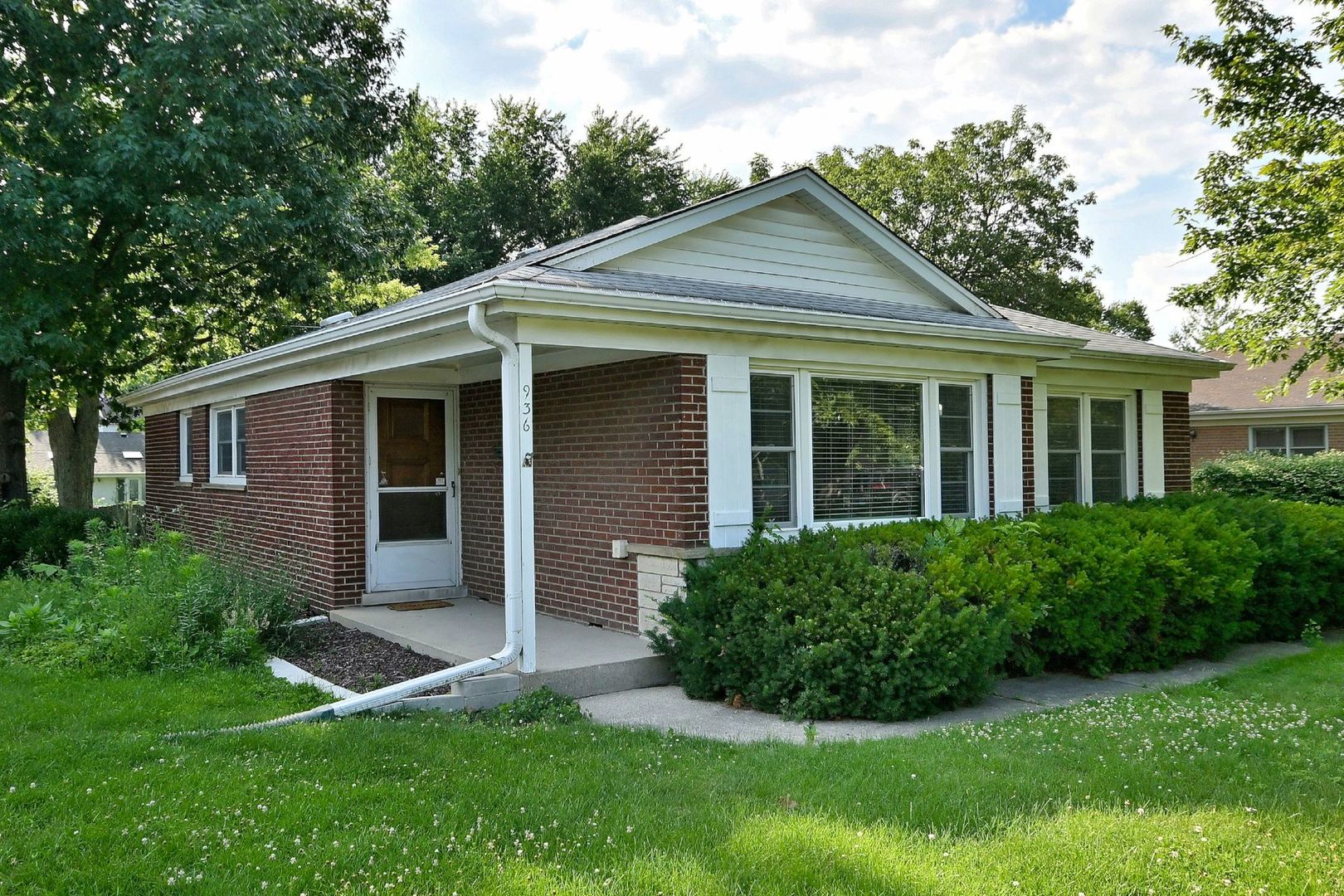
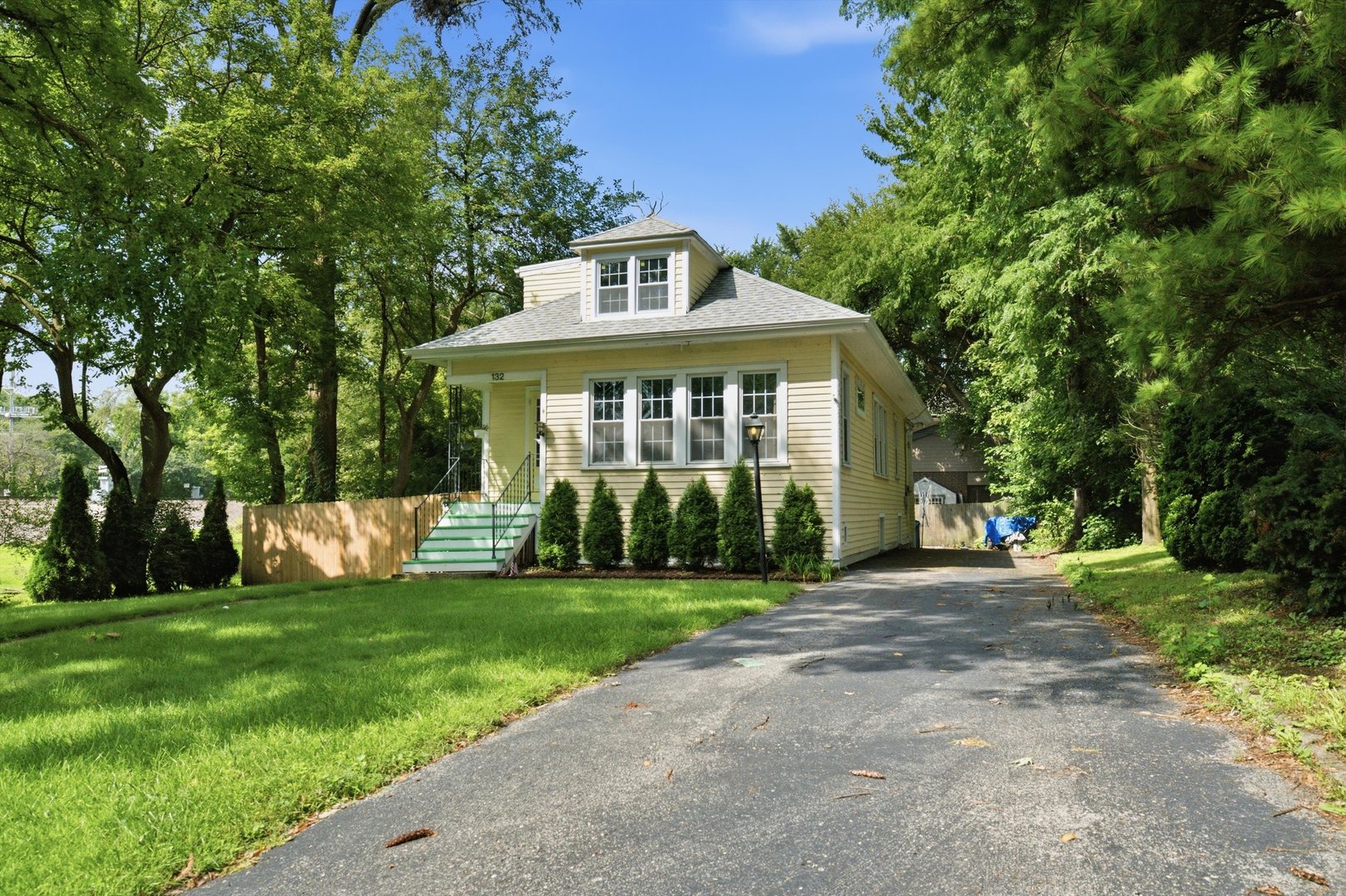
Hinsdale's market segments into distinct price tiers. Entry-level options—typically older condominiums and townhomes in communities like Graue Mill, Hamptons of Hinsdale, or Sutton Place—start in the $400,000 to $600,000 range. Single-family homes begin around $700,000 for smaller properties or those requiring updates, with the bulk of the market trading between $1 million and $2.5 million. Luxury properties in premier locations, particularly southeast Hinsdale and the Woodlands, command $2.5 million to over $5 million.
New Construction vs. Existing Homes
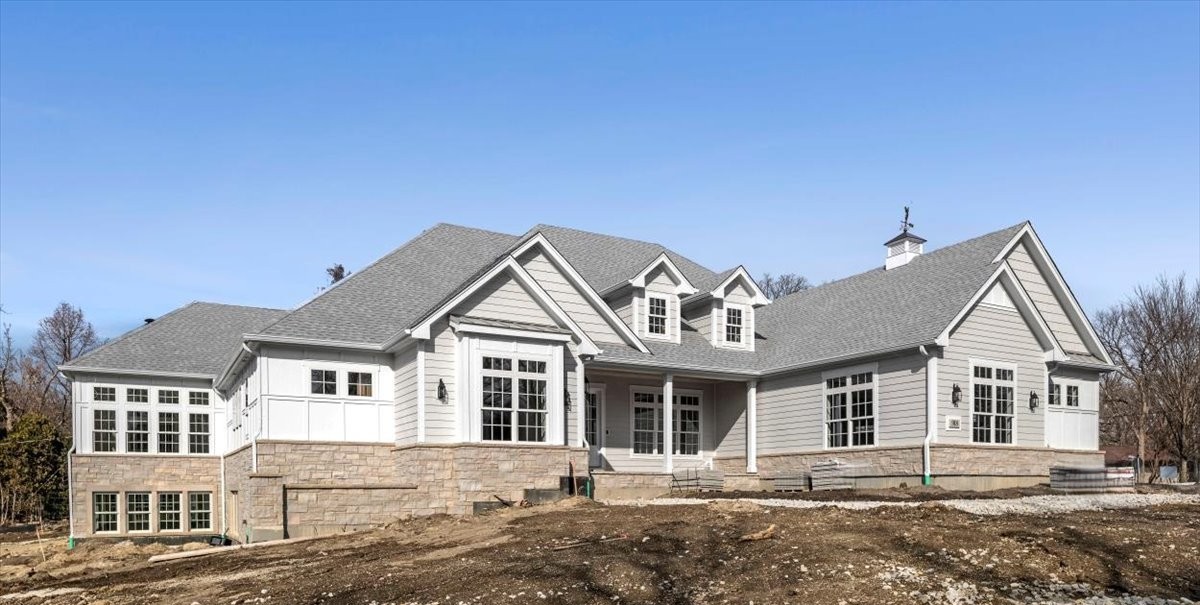
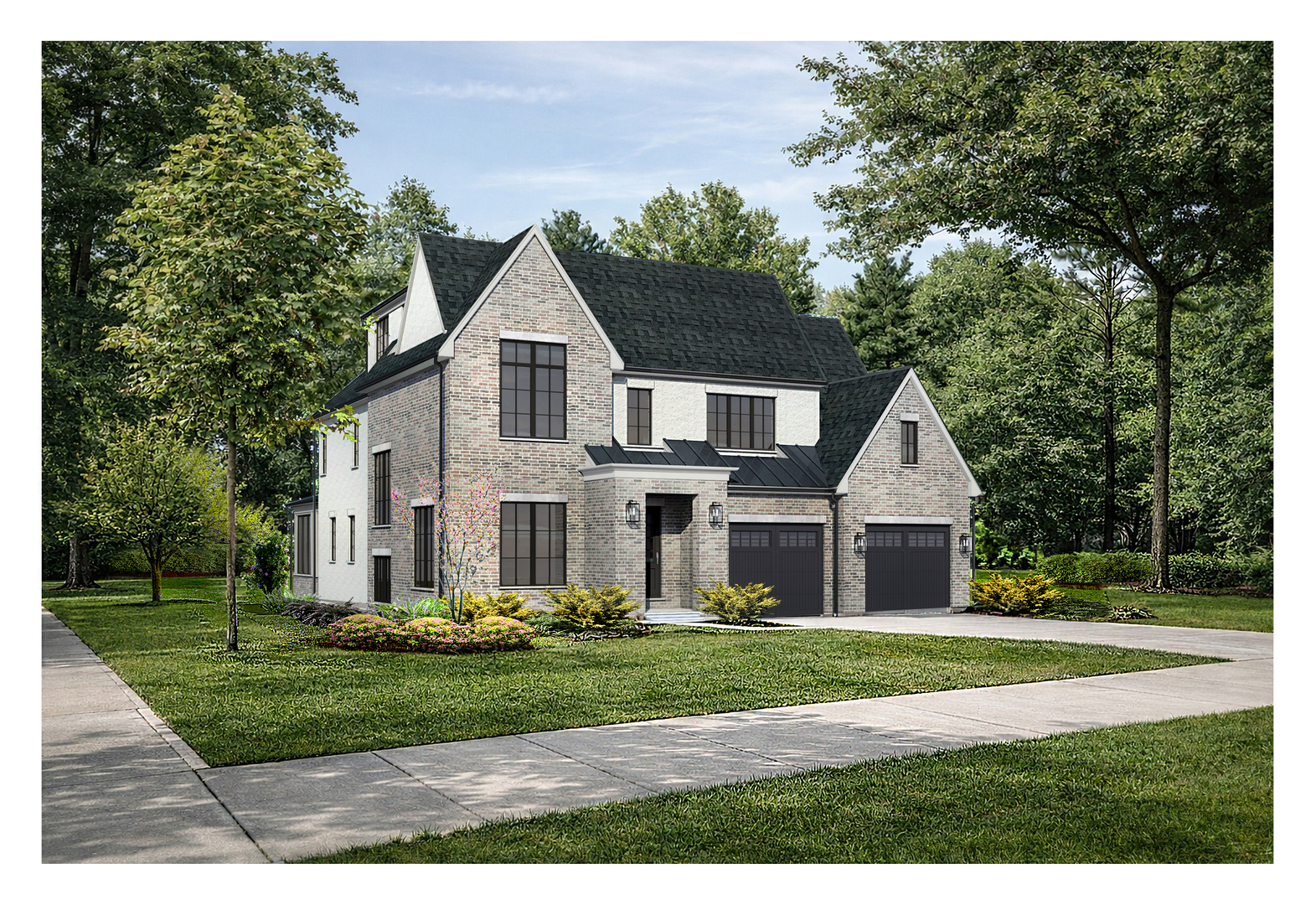
The teardown phenomenon has created a dual market: original homes on desirable lots (purchased for land value and renovation potential or outright replacement) and new construction homes built to contemporary standards. New construction typically features open floor plans, high-end finishes, modern mechanical systems, and larger square footage than the homes they replaced. Prices for new construction start around $1.5 million and extend well beyond $3 million for custom-built estates. The annual pace of new construction permits has moderated from peaks of 120+ per year to approximately 25-30 in recent years.
Purchasing property in Hinsdale requires attention to factors beyond typical due diligence. The community's high price points, diverse housing stock, and specific local conditions create considerations that can significantly impact long-term satisfaction and investment performance.
School Attendance Boundaries: School attendance zones represent perhaps the most consequential factor in Hinsdale real estate. Elementary school boundaries (Lane, Madison, Monroe, Oak) create distinct micro-markets with meaningful price differentials. Oak School attendance, serving southeast Hinsdale, commands premiums reflecting smaller class sizes and neighborhood prestige. High school assignment—Hinsdale Central versus Hinsdale South—matters considerably to families. Boundaries can split seemingly similar neighborhoods; buyers should verify current attendance boundaries directly with the school districts before committing to any purchase.
Flood Zones and Stormwater Management: Approximately 23% of Hinsdale properties face some flood risk according to current assessments, with the Salt Creek corridor presenting the highest exposure. The Graue Mill neighborhood experienced significant flooding in 2008, 2010, and 2013 before flood control improvements (completed 2018) including floodgates, pump stations, floodwalls, and berms. Buyers should review FEMA flood maps (effective August 1, 2019 for DuPage County), inquire about flood insurance requirements and costs, and examine basement conditions carefully. Properties not in designated flood zones may still experience groundwater issues due to high water tables common in the area.
Property Taxes: Hinsdale bears among the highest property tax burdens in DuPage County, reflecting the cost of excellent schools and municipal services. Median property tax bills run approximately $14,400 annually, with bills on higher-value properties reaching $20,000 to $30,000 or more. DuPage County assesses property at 33.33% of market value, with tax rates set by the combined levies of the village, school districts, library, park district, and county. Property tax appeals through the DuPage County Board of Review can provide relief if assessments exceed market value. Buyers should budget conservatively for property taxes, recognizing that assessments typically follow market value increases.
Property Age and Condition: Hinsdale's housing stock spans from pre-1900 historic homes to current-year new construction. Older homes may feature architectural significance but also bring aging systems, potential lead paint, outdated electrical, and asbestos concerns. Mid-century homes (1940s-1970s) often require comprehensive updates to meet contemporary expectations. Even apparent "move-in ready" homes may have deferred maintenance on major systems. Buyers should invest in thorough inspections including sewer scoping, radon testing, and structural evaluation. The cost differential between purchase price and total investment (including necessary updates) can be substantial.
HOA Considerations: Townhome and condominium communities in Hinsdale operate under homeowners associations with varying fee structures and restrictions. Communities like Hamptons of Hinsdale, Graue Mill, Ruth Lake Woods, and Ashbury Woods each maintain distinct governance, reserves, and rules. HOA fees cover exterior maintenance, common area upkeep, and amenities, but vary significantly—from a few hundred to over $500 monthly. Buyers should review HOA financials, reserve studies, meeting minutes, and pending assessments before purchasing. Single-family homes in Hinsdale generally do not carry HOA obligations, though some subdivisions may have architectural review requirements.
Historic District and Landmark Implications: Properties within the Robbins Park Historic District or individually landmarked face additional scrutiny for exterior modifications, additions, and demolition. While the Hinsdale Historic Preservation Commission's determinations are advisory rather than binding, the review process adds time and complexity to renovation projects. Buyers attracted to historic properties should understand both the prestige and the potential constraints of landmarked status.
Market Speed and Competitive Dynamics: Well-priced Hinsdale properties attract multiple offers, particularly in spring and early fall. Buyers should be prepared to act decisively with financing pre-approval, competitive earnest money, and flexible contingency terms. Properties lingering on market often signal pricing issues, condition concerns, or location factors that warrant careful evaluation. Working with agents experienced in Hinsdale's micro-markets provides essential guidance in navigating competitive situations.
Selling property in Hinsdale's high-value market requires strategic preparation and positioning. The sophisticated buyer pool expects properties to show exceptionally well and justify premium pricing through presentation and documentation.
Seasonality: Hinsdale's market follows pronounced seasonal patterns driven by school calendars. Peak demand occurs from March through June, as families seek to purchase and move before the new school year. A secondary, smaller peak appears in September through November. Winter months (December through February) see reduced activity, though serious buyers remain active and face less competition. Sellers maximizing exposure should target spring listing dates, with properties prepared and photographed when landscaping shows at its best.
Pricing Strategy: Accurate pricing from initial listing proves critical in Hinsdale's market. Overpricing leads to extended market time, price reductions that signal desperation, and ultimately lower final sale prices than properly positioned listings achieve. Comparative market analysis should account for school attendance zones, lot characteristics, condition, and recent updates. The spread between listing and sale prices in Hinsdale typically falls within 95-98% for appropriately priced properties, with premium homes sometimes exceeding list price in competitive situations.
Staging and Presentation: Hinsdale buyers expect polished presentation reflecting the community's aesthetic standards. Professional staging—either full furnishing for vacant properties or consultation for occupied homes—typically generates returns exceeding costs. Photography should capture both interior features and landscaping. Properties should present as move-in ready, with attention to details including fresh paint, updated lighting fixtures, and meticulous landscaping. Deferred maintenance visible during showings raises concerns about hidden issues and invites lower offers.
Buyer Demographics: Understanding likely buyers helps sellers position properties effectively. The primary buyer pool consists of families with school-aged children relocating for Hinsdale's schools, often from other parts of the Chicago area or from out of state corporate transfers. Secondary buyers include empty nesters downsizing from larger homes within Hinsdale or nearby communities, and young professionals establishing themselves in a prestigious address. Marketing should emphasize features relevant to target demographics—school proximity and family-friendly layouts for family-oriented properties, maintenance-free living and walkability for downsizers.
Value-Adding Improvements: Certain upgrades generate strong returns in Hinsdale's market: kitchen renovations with quality appliances and finishes, primary bathroom updates, hardwood flooring refinishing, and exterior improvements including roofing, siding, and landscaping. Energy efficiency upgrades (windows, insulation, HVAC) appeal to sophisticated buyers. Pools remain divisive—appealing to some buyers while deterring others concerned about maintenance and liability. Over-customization or unusual design choices may limit buyer appeal. Sellers should consult with experienced local agents before undertaking pre-sale improvements to ensure investments align with market expectations.
Hinsdale's relatively compact geography encompasses distinct neighborhoods with varying characteristics, price points, and appeal. Understanding these micro-markets helps buyers target their search and sellers position their properties appropriately.
Southeast Hinsdale / The Woodlands
Generally considered the most desirable area by longtime residents, southeast Hinsdale extends from approximately Garfield Street east to County Line Road, and from the train tracks south to 55th Street. The area features larger lot sizes—averaging double the typical Hinsdale lot, with some approaching one acre. Properties in this area command the highest prices in the village, with recent sales averaging above $2 million and exceptional estates reaching $5 million or more. The Woodlands subdivision, located east of County Line Road and north of 55th Street, represents the pinnacle of Hinsdale real estate. Oak School serves this area, adding to its appeal for families. The combination of lot size, school assignment, and neighborhood prestige makes southeast Hinsdale highly competitive.
Robbins Park District
The historic Robbins Park neighborhood east of downtown contains the highest concentration of architecturally significant homes, including National Register properties. Streets follow Horace Cleveland's curvilinear 1871 design, with mature trees and historic streetscapes. Properties range from meticulously preserved historic homes to new construction on teardown lots. The area appeals to buyers seeking architectural character and walkability to downtown, though renovation requirements on historic homes and the ongoing tension between preservation and redevelopment create unique considerations.
Downtown Hinsdale
Properties immediately adjacent to downtown offer maximum walkability to shopping, dining, and the Metra station. This area includes a mix of historic homes, newer construction, and the village's limited inventory of in-town townhomes like The Courtyard of Hinsdale. Premium pricing for convenience and lifestyle appeal characterizes this micro-market. Madison School serves most of the downtown area.
North Hinsdale
The area north of the train tracks extending toward Ogden Avenue contains a mix of housing types and price points. The North Hinsdale East district contains architecturally significant homes including George Grant Elmslie and Patton & Fisher designs. Lane School serves much of north Hinsdale. While lacking the prestige of southeast Hinsdale, this area offers relative value and accessibility to Ogden Avenue commercial districts.
West Hinsdale
Properties west of downtown toward Route 83 and Clarendon Hills tend toward more modest price points while maintaining Hinsdale schools and address. Monroe School serves portions of west Hinsdale. Subdivisions like Golfview Hills and Christopher Hills offer single-family homes at relatively accessible price points for the village. The area sees more contemporary architecture and newer construction.
Condominium and Townhome Communities
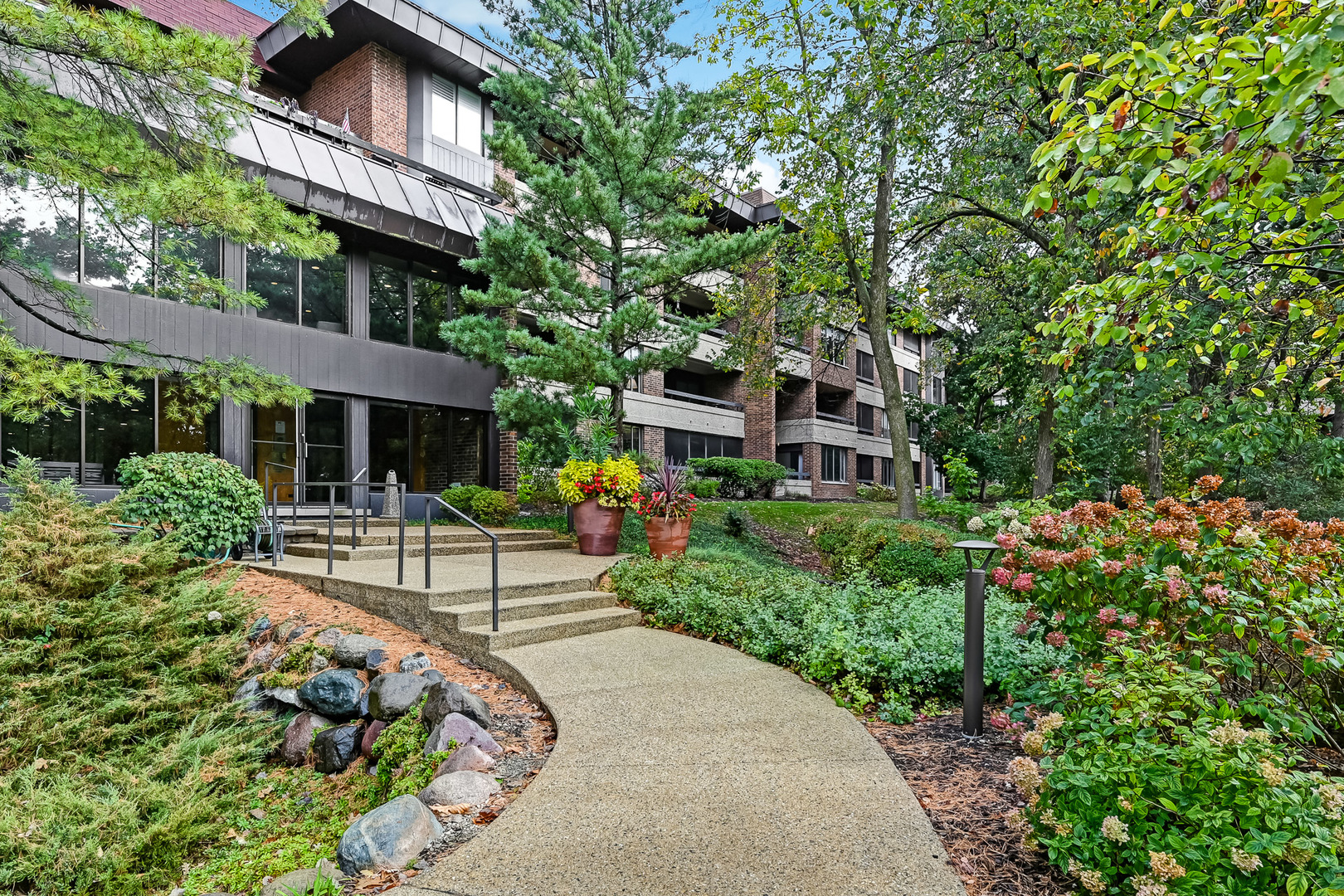
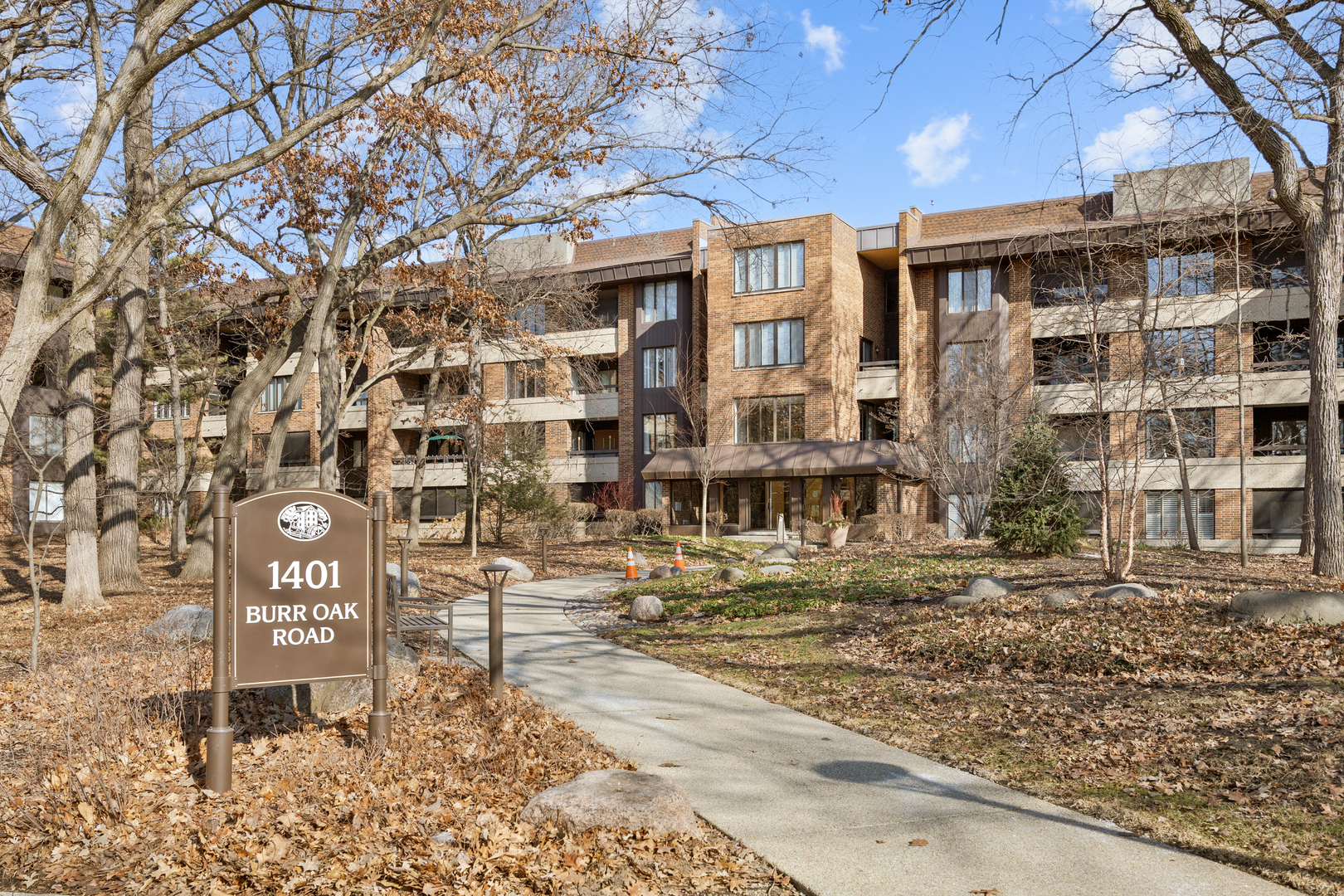
Graue Mill, located off Old Mill Road near York Road, offers condominium living in a mature, wooded setting near Fullersburg Woods Forest Preserve. Built in the mid-to-late 1970s, the community provides an entry point to Hinsdale at prices starting around $400,000-$500,000. Hamptons of Hinsdale, a newer development south of 57th Street, offers townhomes and condominiums built starting in 2011. Ruth Lake Woods provides duplex and townhome options. Ashbury Woods and Sutton Place round out the townhome inventory. These communities serve empty nesters seeking maintenance-free living, young professionals, and buyers seeking Hinsdale schools at accessible price points.
Hinsdale maintains an active calendar of community events that foster connections among residents and contribute to the village's cohesive character. The Hinsdale Chamber of Commerce coordinates many signature events, while the Parks and Recreation Department and local organizations contribute additional programming.
Hinsdale Farmers Market
Now in its 49th year, the Hinsdale Farmers Market runs every Monday from mid-June through mid-October along Chicago Avenue between Garfield and Washington Streets. Over 20 farmers and artisan food vendors from Illinois, Michigan, and Wisconsin offer fresh produce, eggs, honey, cheeses, meats, cut flowers, and prepared foods. The market serves as a weekly social gathering point for residents and draws visitors from throughout the western suburbs. The 2025 season runs June 16 through October 13, totaling 18 weeks of operation.
Uniquely Thursdays
This summer concert series transforms Burlington Park into an outdoor entertainment venue on Thursday evenings from mid-June through August. Live music, food vendors, and family activities create a festive atmosphere that draws residents from throughout the community. The event exemplifies Hinsdale's approach to community building—sophisticated enough for adult enjoyment while welcoming to families.
Hinsdale Fine Arts Festival
Celebrating its 52nd year in 2025, the Hinsdale Fine Arts Festival takes place the first weekend of June in Burlington Park. The juried show features 85-100 artists displaying painting, drawing, sculpture, glass, woodwork, jewelry, and other media. West Suburban Living magazine has named it the "Best Summer Art Show" multiple times. The shaded setting, proximity to downtown shopping and dining, and quality of featured artists make it a regional destination. Children's activities provided by The Community House and food from local vendors round out the experience.
Holiday Events
The annual Christmas Walk transforms downtown Hinsdale into a holiday destination, now in its 51st year. The Chamber of Commerce coordinates decorations, activities, and merchant promotions. Additional holiday programming includes the Holiday Express train rides, Breakfast with Santa, and the Fall Festival preceding the holiday season. The Fourth of July parade draws families to downtown for a traditional celebration.
The Community House
The Community House serves as Hinsdale's recreational and social hub, offering programming for all ages including fitness classes, youth activities, adult enrichment, and community gatherings. The organization partners with the village on events and provides arts and crafts activities at festivals. Membership provides access to facilities and priority registration for programs.
The decision to purchase in Hinsdale reflects priorities that extend beyond housing needs to encompass education, lifestyle, community character, and long-term investment considerations. Understanding why buyers choose Hinsdale helps both purchasers confirm their priorities and sellers articulate their properties' appeal.
Educational Excellence: School quality drives more Hinsdale purchases than any other factor. Parents seeking the best public education available in the Chicago area find Districts 181 and 86 deliver consistently outstanding results. The ability to access top-tier education without private school tuition represents significant value despite premium home prices. Families relocating from other states or countries are drawn by the reputation of Hinsdale schools and the track record of graduates in college admissions.
Commute Convenience: The combination of express Metra service and expressway access makes Hinsdale uniquely practical for professionals working in downtown Chicago, O'Hare corridor corporate campuses, and regional business centers. A 23-minute train ride to Union Station allows productive commute time while avoiding driving stress. Dual-income families appreciate flexibility in commuting options.
Village Character and Community: Hinsdale offers a genuine sense of place that newer developments cannot replicate. The historic downtown, mature tree canopies, architectural heritage, and engaged community create an environment that feels established rather than manufactured. Residents know their neighbors, participate in community events, and invest in local institutions. For families seeking roots rather than transient suburban living, Hinsdale delivers lasting community connections.
Investment Stability: Hinsdale real estate has demonstrated remarkable resilience through economic cycles. The combination of limited supply, strong school demand, and affluent buyer pool supports values even when broader markets soften. Long-term appreciation reflects both housing quality and the enduring appeal of the community's fundamental characteristics. For buyers viewing home purchase as both residence and investment, Hinsdale offers compelling protection.
Lifestyle Amenities: The ability to walk to quality dining, shopping, and services distinguishes Hinsdale from car-dependent suburbs. Katherine Legge Memorial Park and the broader parks system provide recreational opportunities. Proximity to Oak Brook's retail and corporate centers, access to Chicago's cultural amenities via Metra, and the western suburbs' golf courses create a complete lifestyle package.
Hinsdale's distinct combination of characteristics makes it ideally suited for specific buyer profiles while potentially mismatched for others. Honest assessment of fit saves time for both buyers and sellers.
Families with school-aged children (or planning for children) who prioritize education above other factors find Hinsdale's premium justified by school quality. Professionals commuting to downtown Chicago or regional corporate centers benefit from transportation options. Buyers seeking established community character, walkable downtown amenities, and architectural heritage appreciate what newer suburbs cannot offer. Those with financial capacity for $1+ million purchase prices, substantial property taxes, and ongoing maintenance of high-value properties are best positioned to participate in the market comfortably.
Empty nesters downsizing from larger homes often choose to remain in Hinsdale through townhome or smaller single-family purchases, maintaining community connections while reducing maintenance burden. Corporate transferees seeking established suburbs with strong schools and convenient commuting find Hinsdale repeatedly recommended by relocation specialists.
Living in Hinsdale means participating in a community where education, family, and tradition hold central importance. Weekends involve youth sports at Veeck Park, farmers market trips, and gatherings at neighbors' homes. Summers bring pool memberships, Uniquely Thursdays concerts, and the Fine Arts Festival. Fall centers on football games at Hinsdale Central and holiday preparations. The pace is suburban but the expectations are sophisticated—well-maintained homes, engaged parenting, and community participation are norms rather than exceptions.
For those seeking a community that rewards investment—financial, temporal, and emotional—with genuine belonging, excellent schools, and enduring value, Hinsdale represents one of the Chicago area's most compelling options. The village has maintained its character through 150 years of change, and those who choose Hinsdale become stewards of that legacy for the next generation.
Hinsdale has 5,640 households, with an average household size of 2.98. Data provided by the U.S. Census Bureau. Here’s what the people living in Hinsdale do for work — and how long it takes them to get there. Data provided by the U.S. Census Bureau. 17,155 people call Hinsdale home. The population density is 3,710.69 and the largest age group is Data provided by the U.S. Census Bureau.
Total Population
Population Density Population Density This is the number of people per square mile in a neighborhood.
Median Age
Men vs Women
Population by Age Group
0-9 Years
10-17 Years
18-24 Years
25-64 Years
65-74 Years
75+ Years
Education Level
Total Households
Average Household Size
Average individual Income
Households with Children
With Children:
Without Children:
Marital Status
Blue vs White Collar Workers
Blue Collar:
White Collar:
There's plenty to do around Hinsdale, including shopping, dining, nightlife, parks, and more. Data provided by Walk Score and Yelp.
Explore popular things to do in the area, including Fuller's the Little Store, J.McLaughlin, and Twenty-One Grams.
| Name | Category | Distance | Reviews |
Ratings by
Yelp
|
|---|---|---|---|---|
| Dining | 0.09 miles | 0 reviews | 0/5 stars | |
| Shopping | 0.11 miles | 0 reviews | 0/5 stars | |
| Active | 0.12 miles | 0 reviews | 0/5 stars | |
| Active | 0.12 miles | 0 reviews | 0/5 stars | |
| Active | 0.28 miles | 0 reviews | 0/5 stars | |
| Active | 0.77 miles | 0 reviews | 0/5 stars | |
| Beauty | 0.14 miles | 1 review | 5/5 stars | |
| Beauty | 0.14 miles | 0 reviews | 0/5 stars | |
| Beauty | 0.14 miles | 0 reviews | 0/5 stars | |
| Beauty | 0.14 miles | 0 reviews | 0/5 stars | |
| Beauty | 0.28 miles | 0 reviews | 0/5 stars | |
| Beauty | 1.21 miles | 0 reviews | 0/5 stars | |
| Beauty | 1.28 miles | 13 reviews | 1.5/5 stars | |
| Beauty | 1.31 miles | 0 reviews | 0/5 stars | |
|
|
||||
|
|
||||
|
|
||||
|
|
||||
|
|
||||
|
|

August 20, 2026
September 24, 2026

Jeff Salhani | September 18, 2026
From Youth Theater to a Half-Century Art Festival.

Jeff Salhani | September 18, 2026
Where to Find Your Best Cup in Town.
July 16, 2026
September 17, 2026
Jeff will do his best to have your selling or buying experience as fun and stress-free as possible. He is very flexible and very easy to work with. After all, your needs come first!
Get In Touch With Me To Learn More
17W480 22nd St. Oakbrook Terrace, IL 60181