2,711,230 people live in Chicago, where the median age is 35.8 and the average individual income is $50,086. Data provided by the U.S. Census Bureau.
Total Population
Median Age
Population Density Population Density This is the number of people per square mile in a neighborhood.
Average individual Income
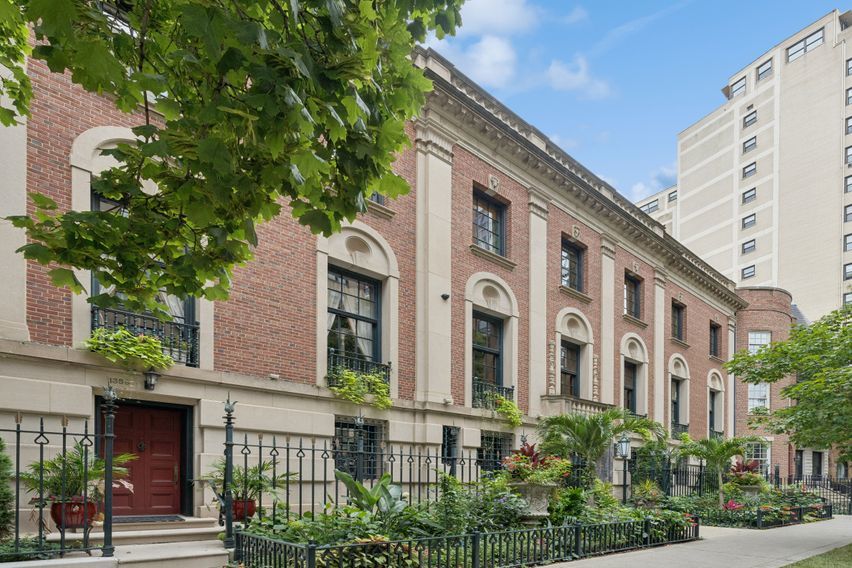
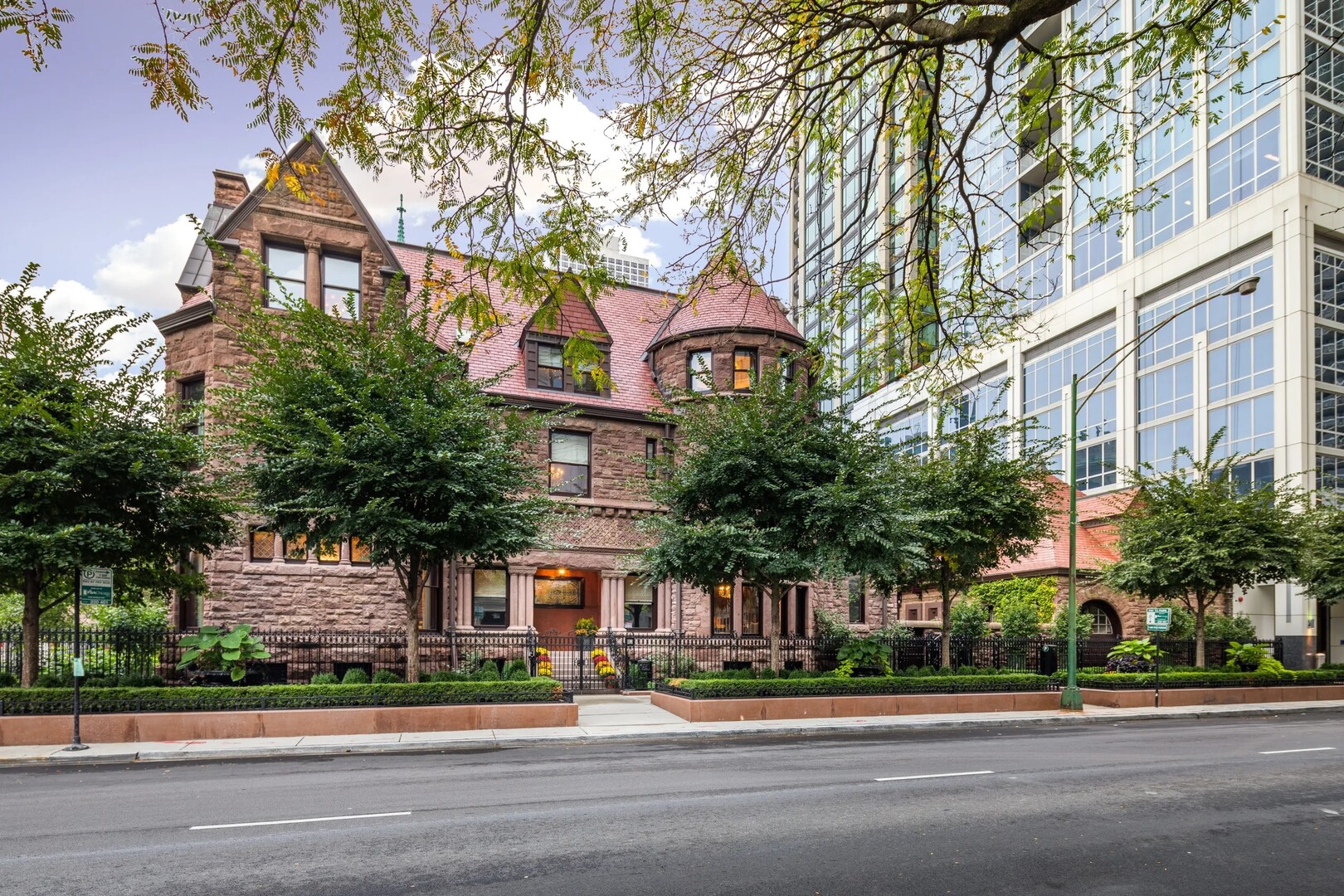
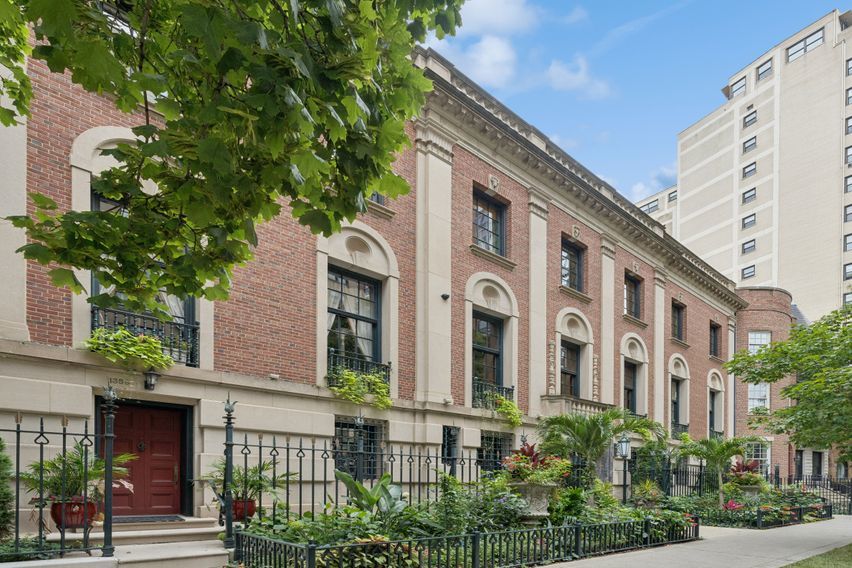
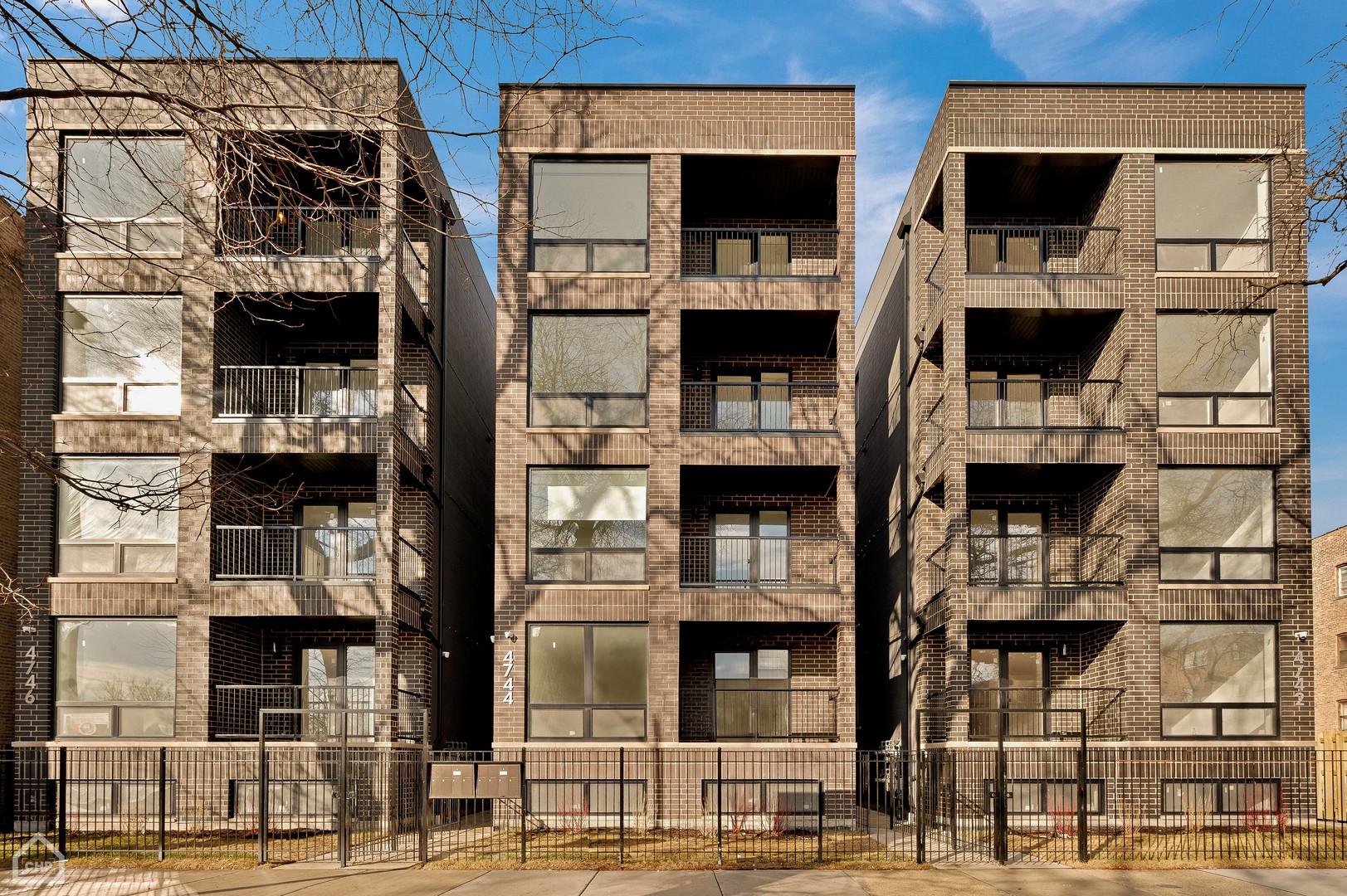
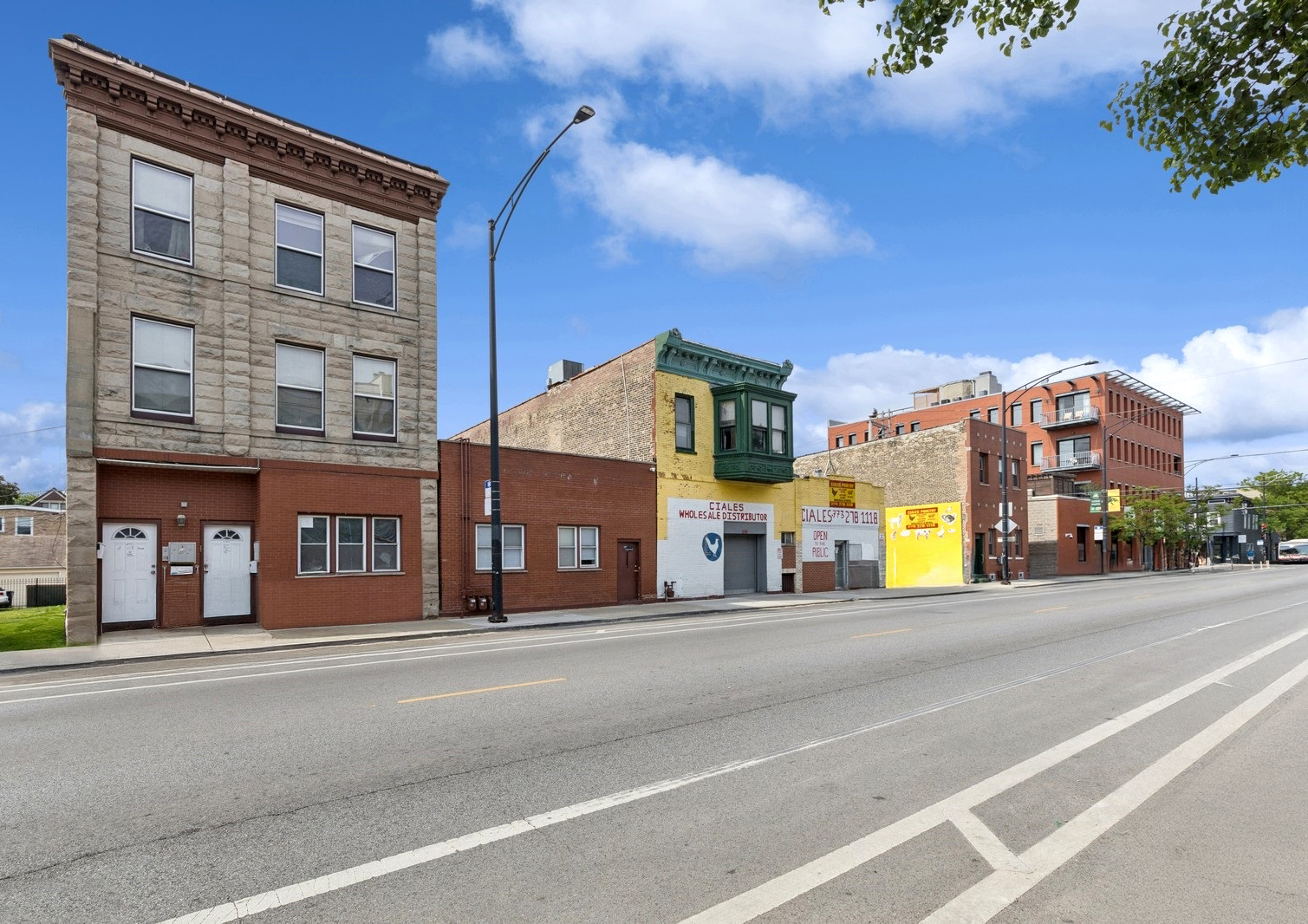
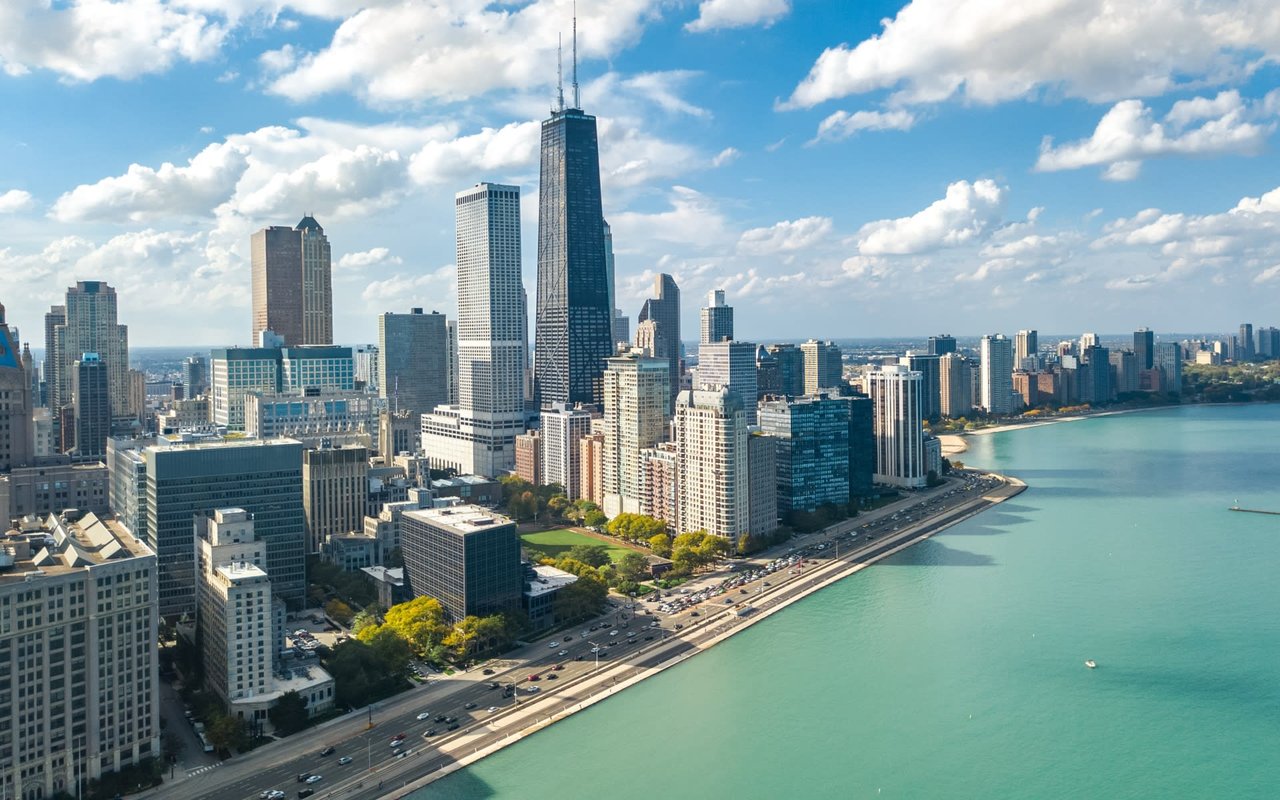
Chicago, IL is the third-largest city in the United States with a population of 2.7 million across 77 defined community areas in Cook County. Bordering 26 miles of Lake Michigan shoreline, Chicago features diverse housing inventory from downtown high-rise condominiums to historic single-family masonry homes with an overall city median sale price of $350,000.
Searching for residential condominiums, multi-family investments, or commercial real estate in Chicago?
Contact managing broker Jeff Salhani for portfolio acquisitions, suburban-to-urban relocations, and verified market valuation advisory.
Metric | Chicago, IL Statistic | Context and Data Sources |
|---|---|---|
Total Population | 2,746,388 residents | U.S. Census Bureau municipal records; third-largest U.S. city |
County Jurisdiction | Cook County | 77 community areas spanning roughly 234 square miles |
Median Home Sale Price | $350,000 | Midwest Real Estate Data MLS 12-month trailing citywide median |
Public Transit System | CTA "L" Trains and Buses | 8 rail lines, 145 train stations, 120+ bus routes; 24/7 Red and Blue lines |
Commuter Rail Network | Metra Commuter Rail | 11 radial lines connecting downtown terminals to western and northern suburbs |
Public School District | Chicago Public Schools (District 299) | Third-largest district in U.S., serving over 320,000 students across 600+ schools |
An international economic engine on Lake Michigan, celebrated for groundbreaking architecture, world-class arts, and 77 distinct neighborhood pockets.
Founded in 1833 and incorporated in 1837, Chicago evolved from an inland frontier trading post into the midwestern capital of finance, commerce, industry, and transportation. The city covers approximately 234 square miles in Cook County, bordered by Lake Michigan to the east and surrounded by mature suburban employment corridors to the north, west, and south.
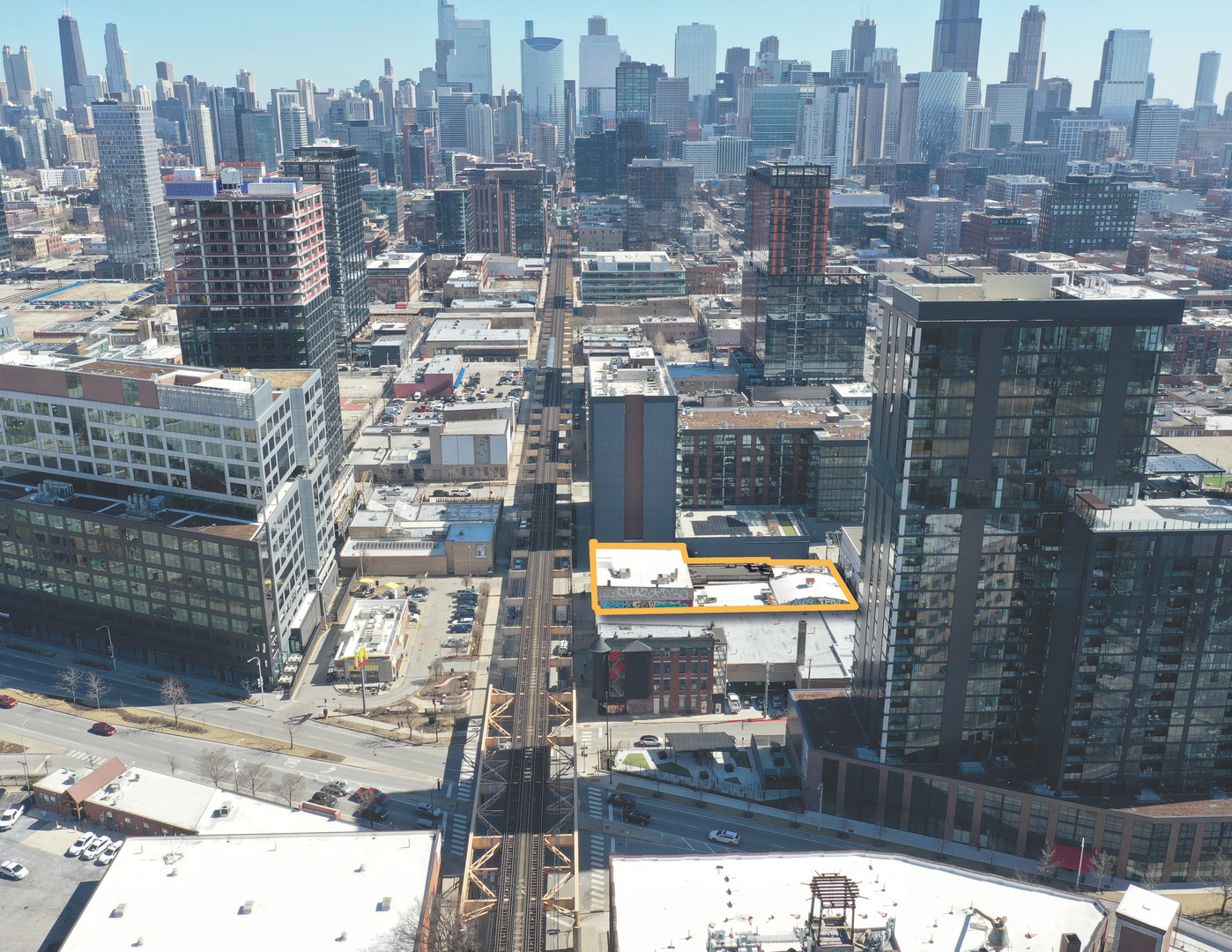
Following the Great Chicago Fire of 1871, the city rebuilt itself through historic architectural innovation, introducing the world's first metal-frame skyscraper in 1885. Today, Chicago balances an active financial core in The Loop with peaceful residential neighborhoods, 26 miles of contiguous lakefront shoreline, and iconic green park systems designed by visionary landscape planners.
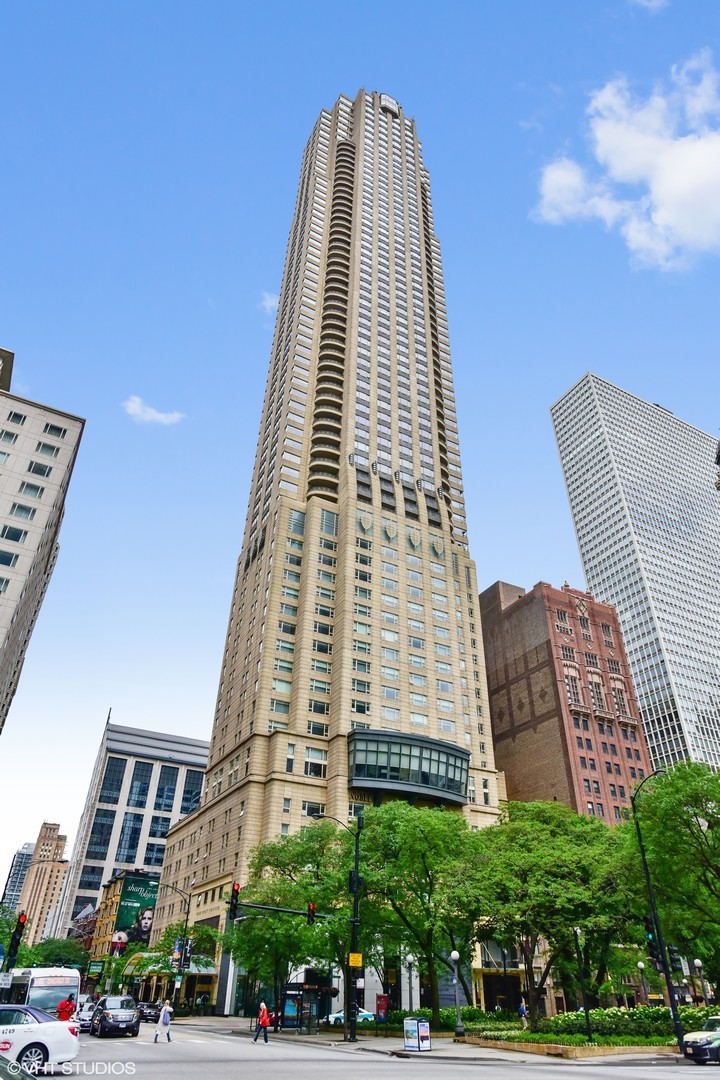
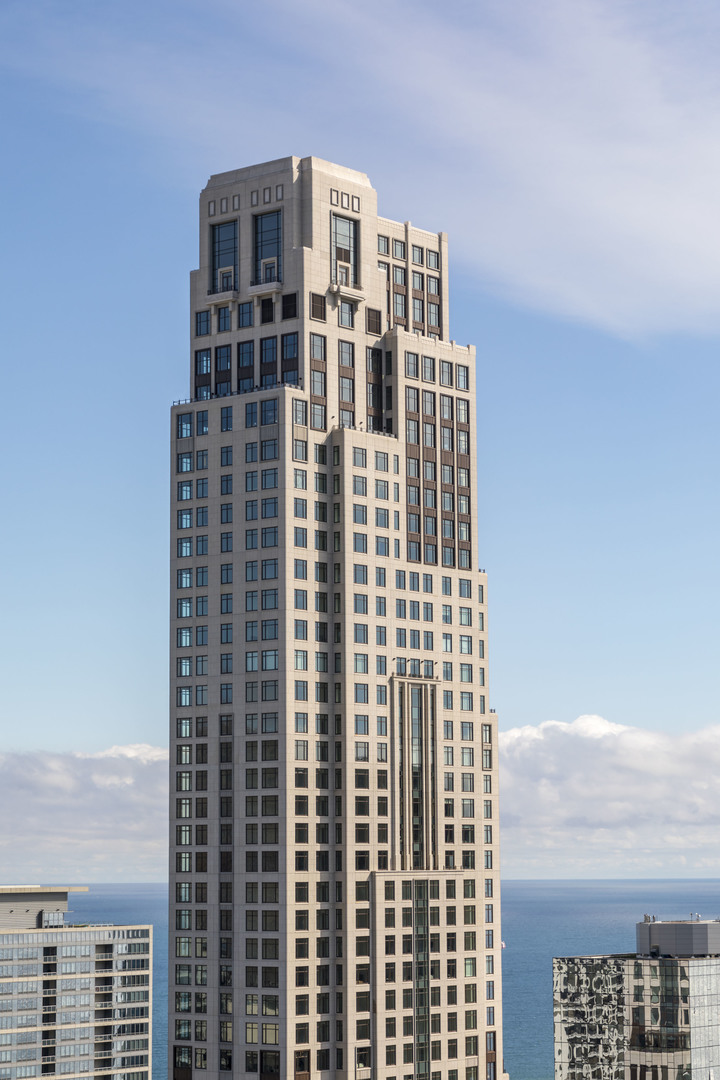
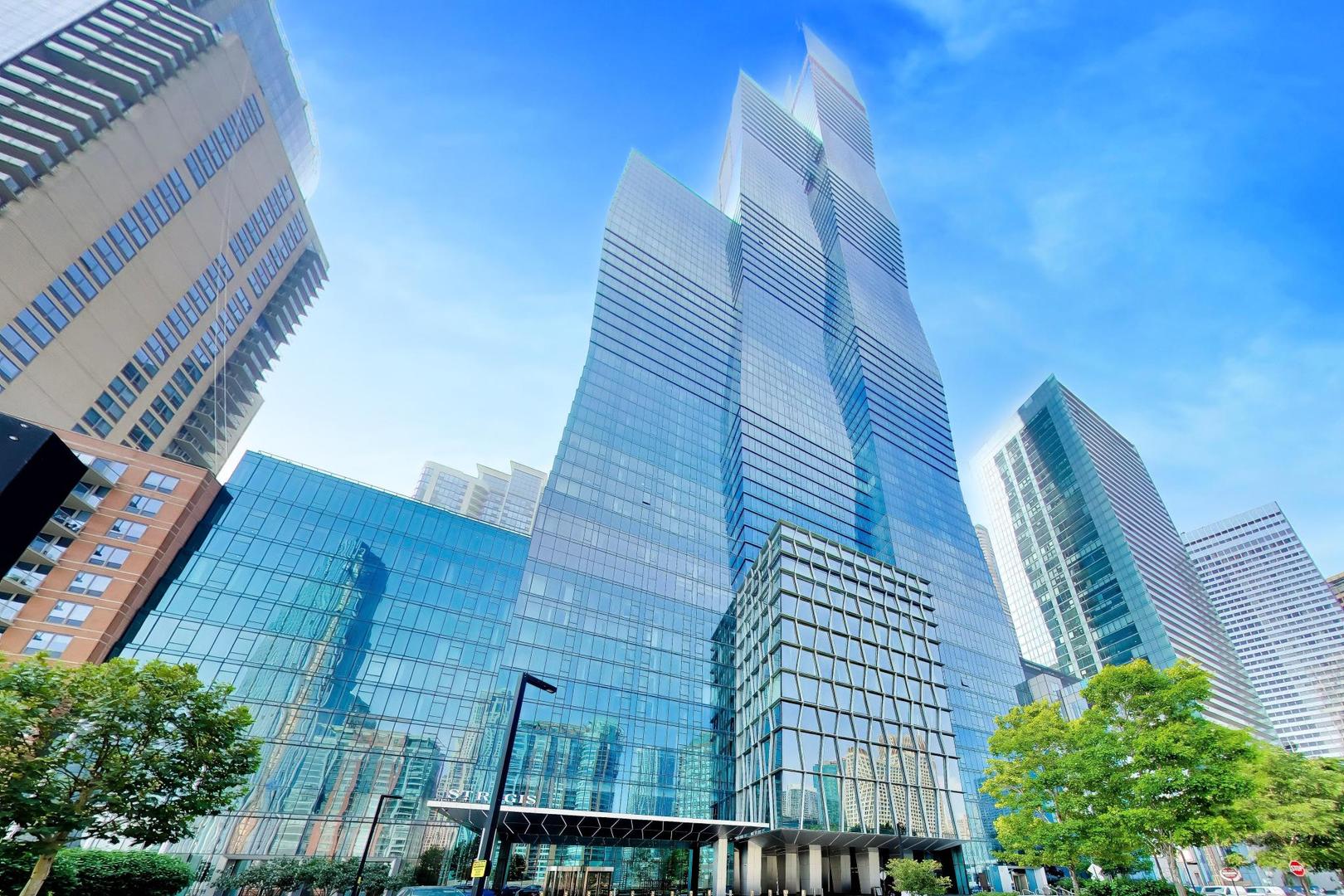
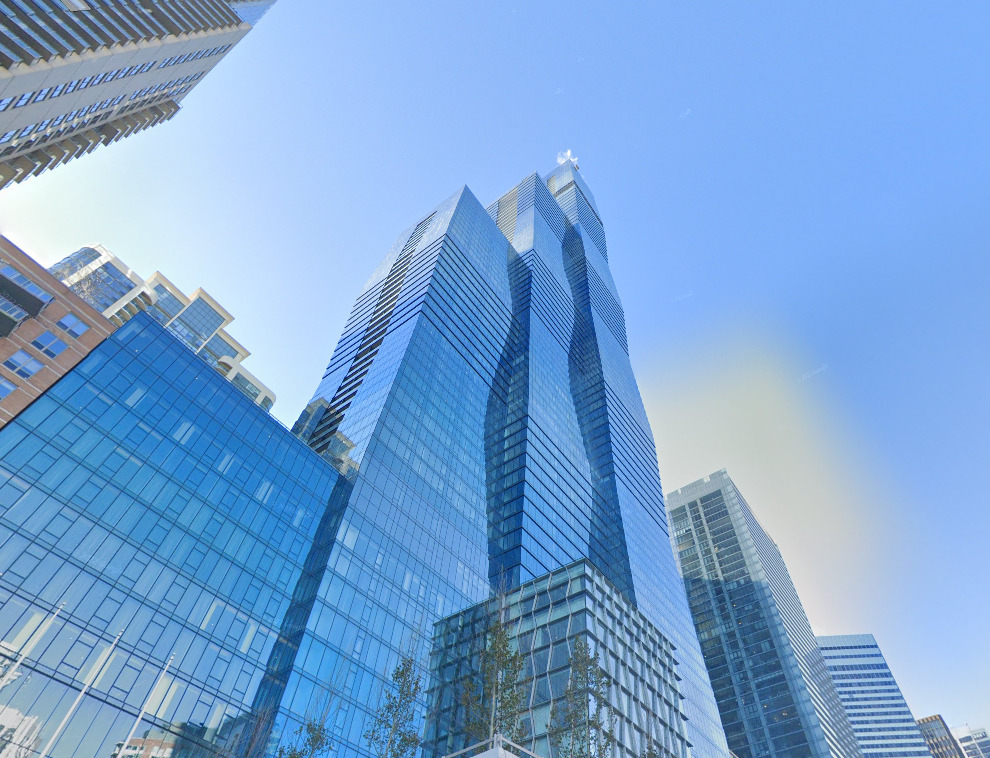
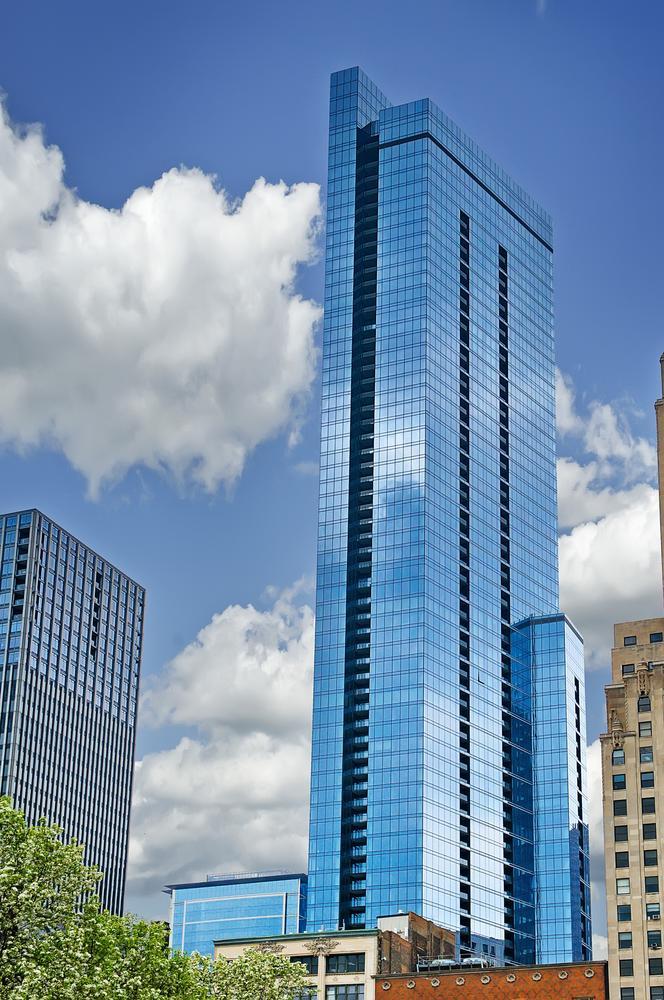
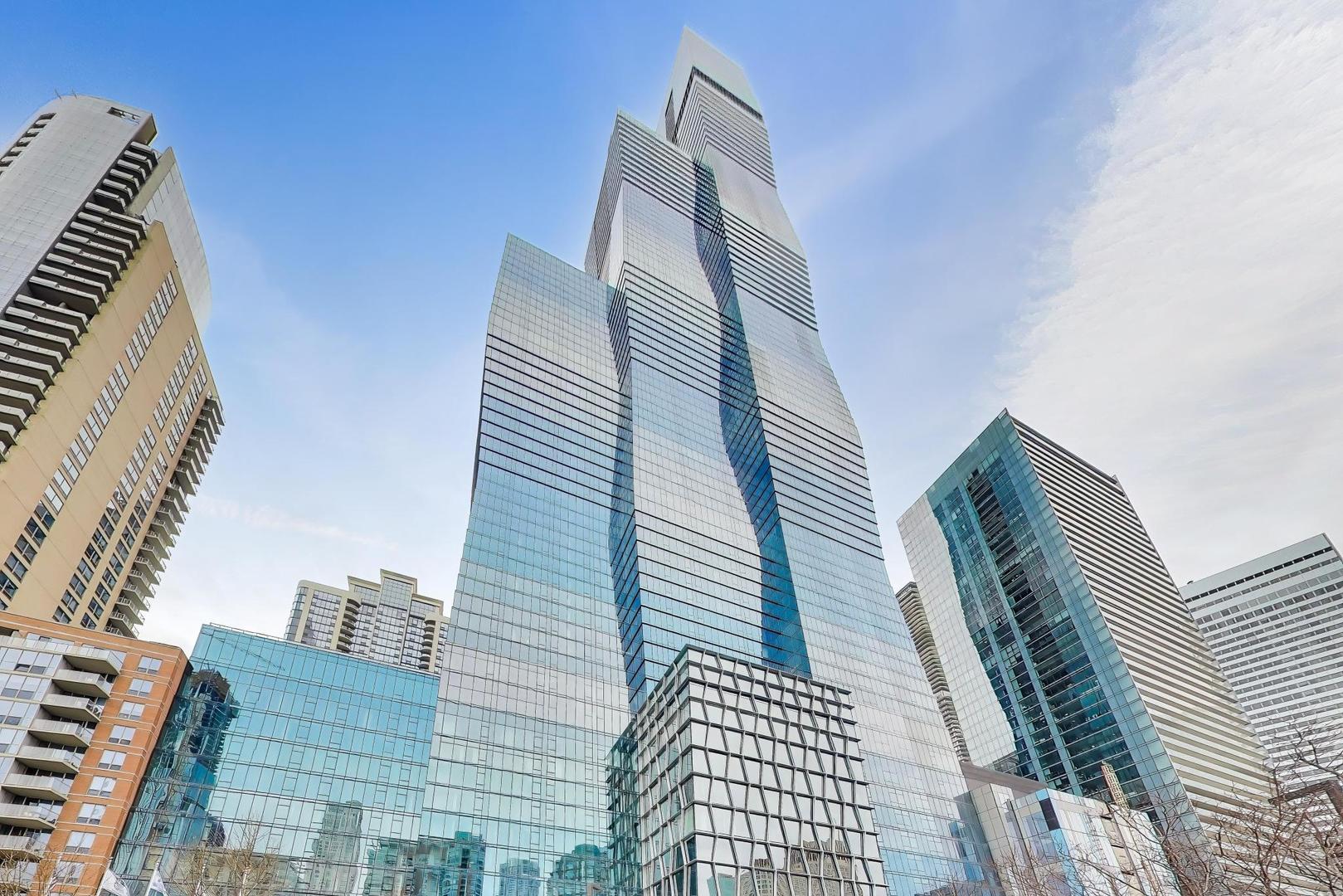
Globally recognized skyline featuring Willis Tower, 875 North Michigan Avenue, and landmark commissions by Louis Sullivan, Frank Lloyd Wright, and Mies van der Rohe.
Continuous public parkland along Lake Michigan accommodating the 18.5-mile Lakefront Trail, sandy swimming beaches, and harbors.
From three-star Michelin tasting menus at Alinea and Fulton Market small plates to historic deep-dish pizzerias and neighborhood taverns.
Comprehensive rail infrastructure via CTA "L" lines and Metra commuter trains offering direct connections to O'Hare, Midway, and suburban hubs.
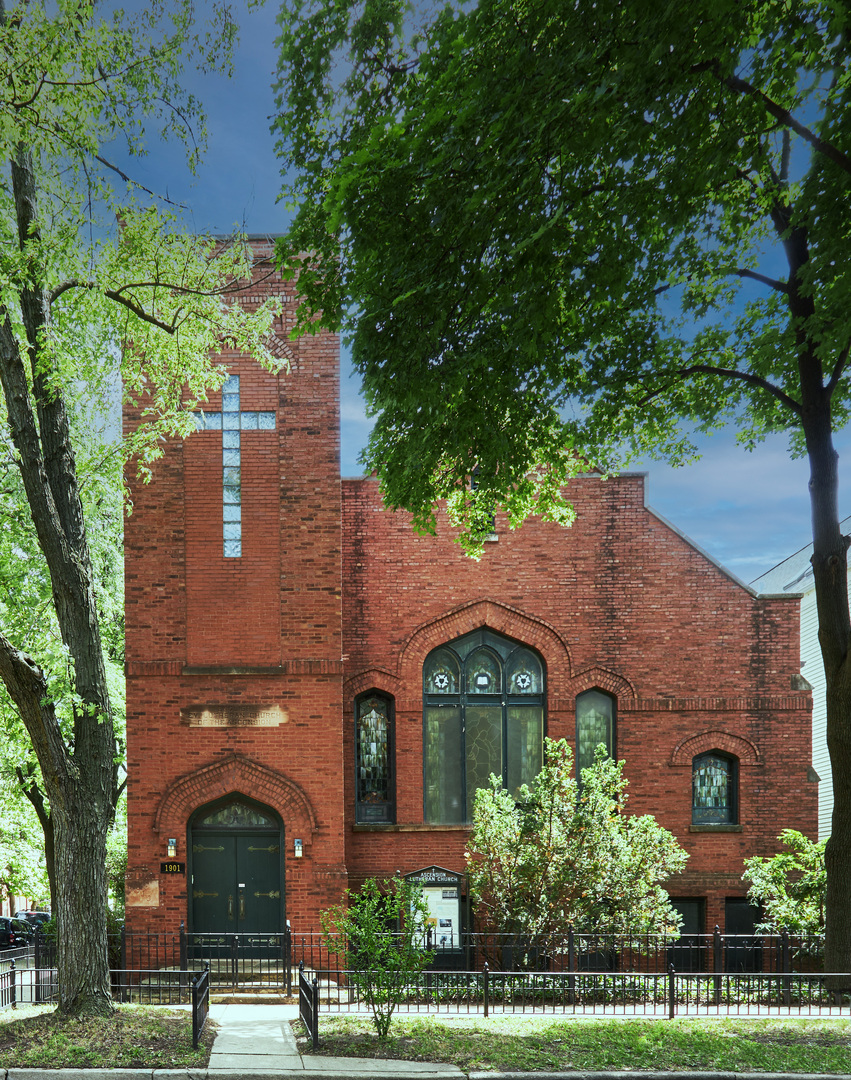
Chicago's lifestyle is deeply tied to its neighborhood identities. Each community area functions with its own commercial high street, architectural vernacular, and civic heritage. Residents in Lincoln Park enjoy tree-canopied Victorian streets and park access, West Loop and Fulton Market residents live within a tech and hospitality corridor, while areas like Wicker Park, Logan Square, and Hyde Park provide distinct cultural and academic environments.
The city's cultural calendar is anchored by legacy institutions such as the Chicago Symphony Orchestra, the Lyric Opera, Steppenwolf Theatre, and The Second City. Civic festivals including the Chicago Blues Festival, the Chicago Jazz Festival, the Grant Park Music Festival, and the Chicago Air and Water Show bring millions outdoors throughout the summer months.
Chicago features some of the nation's most visited public cultural institutions and architectural attractions:
Chicago is an internationally celebrated gastronomic center featuring culinary traditions from around the globe:
Chicago prioritizes public green space through the Chicago Park District, managing over 8,800 acres of parkland across more than 600 parks and 24 public beaches:
Educational infrastructure in Chicago spans national-caliber selective public schools, historic private academies, and research universities:
Notice: CPS attendance boundaries and selective enrollment testing criteria vary by grade level. Homebuyers should verify neighborhood feeder boundaries and application deadlines directly with Chicago Public Schools.
Chicago offers multimodal transit connectivity across highways, rapid transit rail, and passenger air corridors:
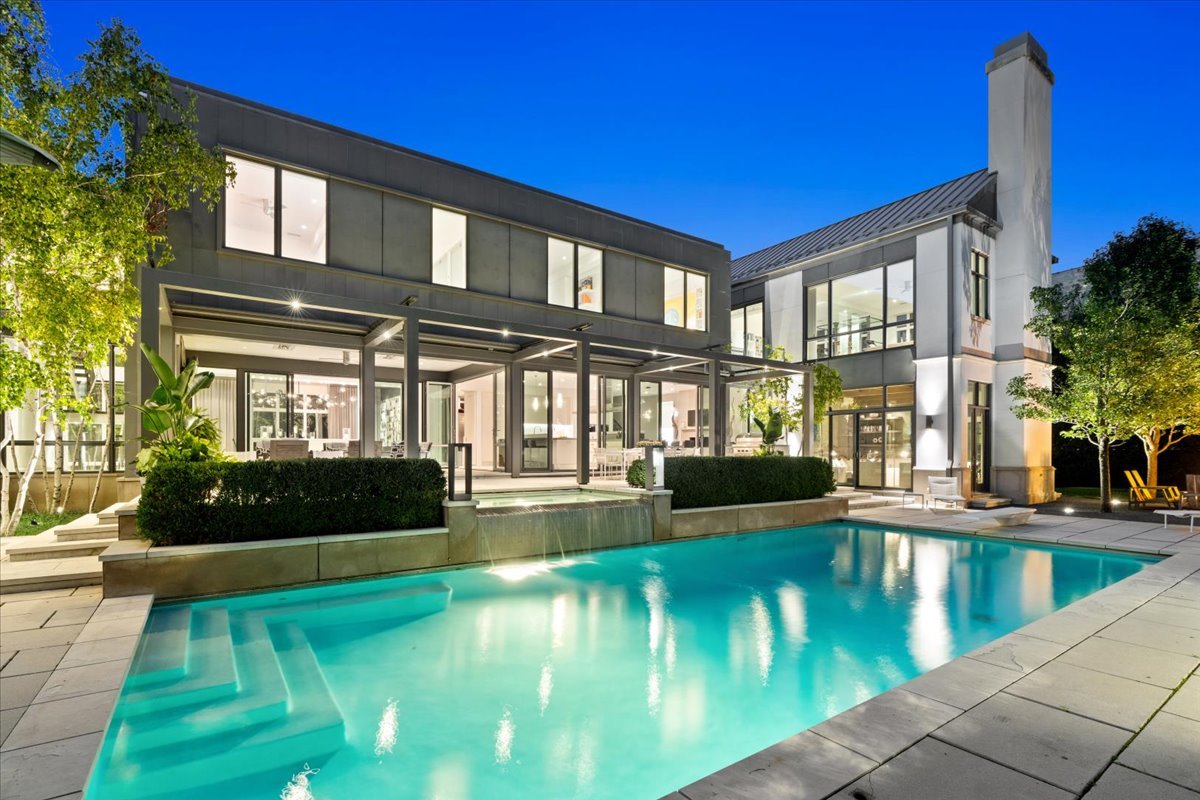
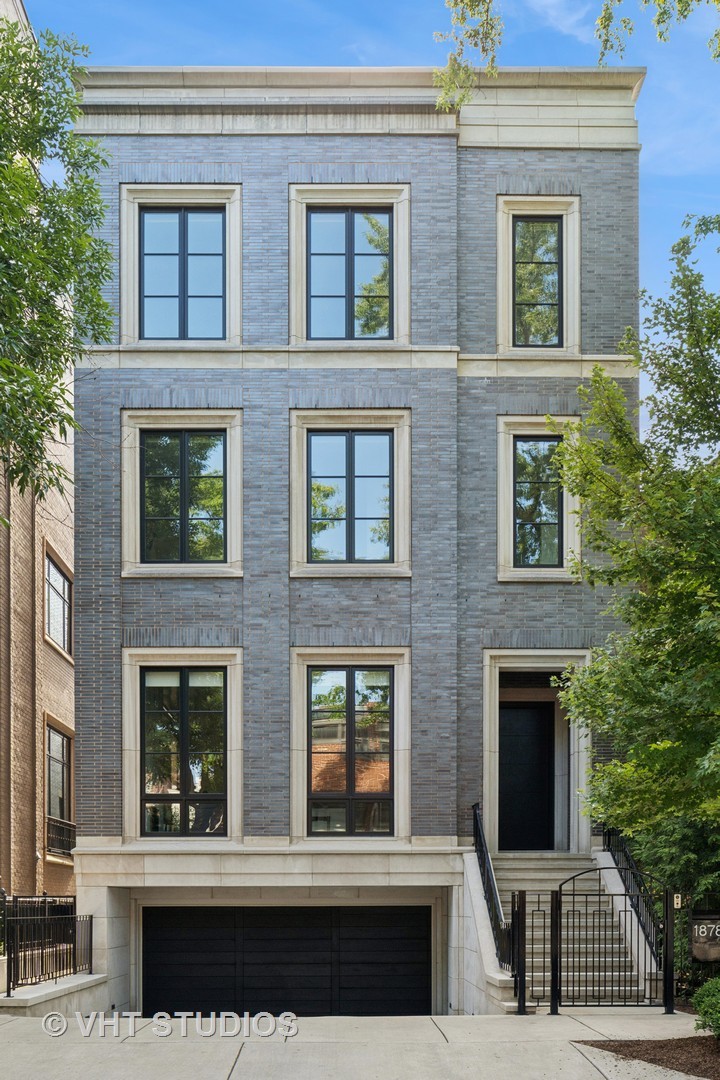
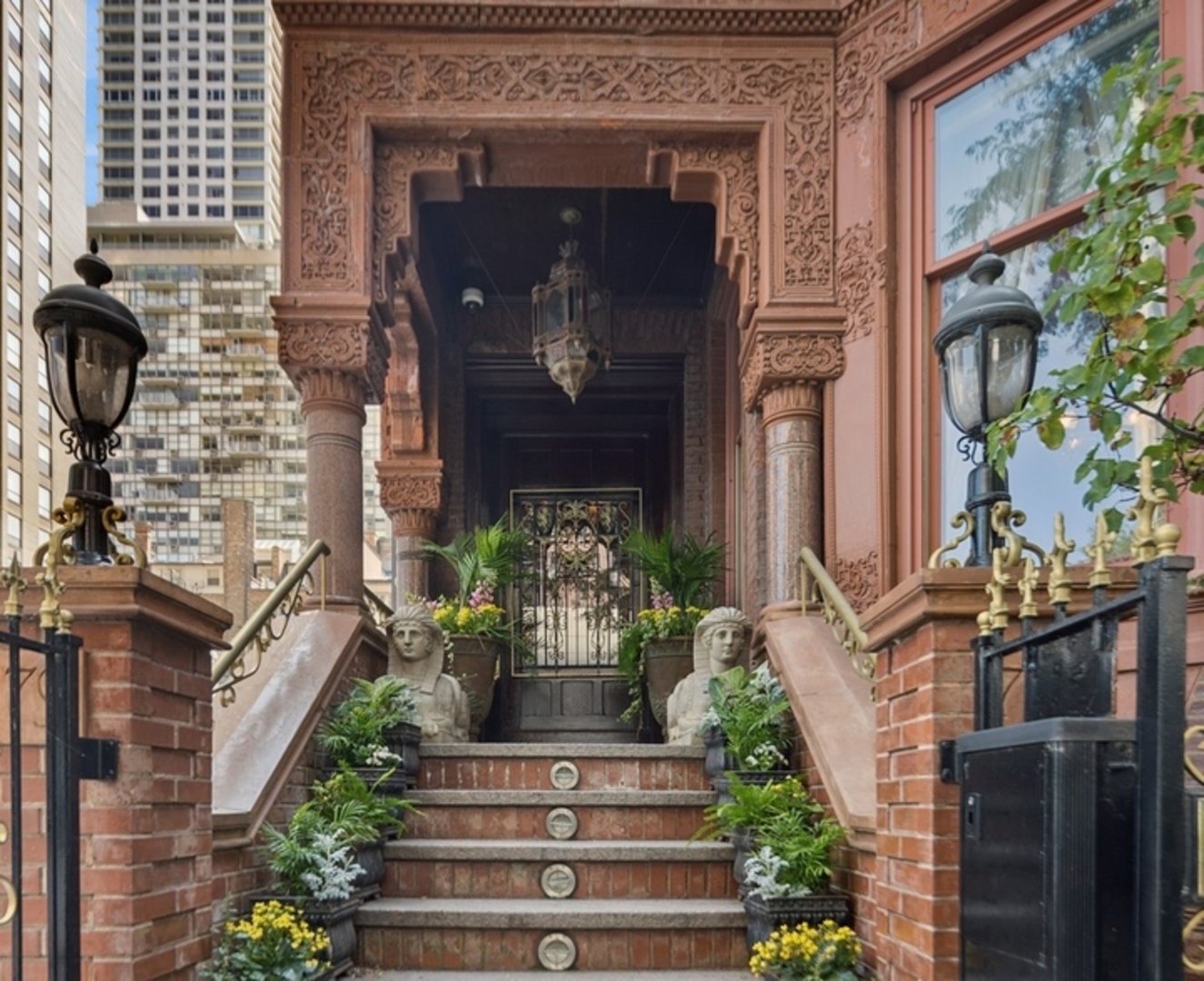
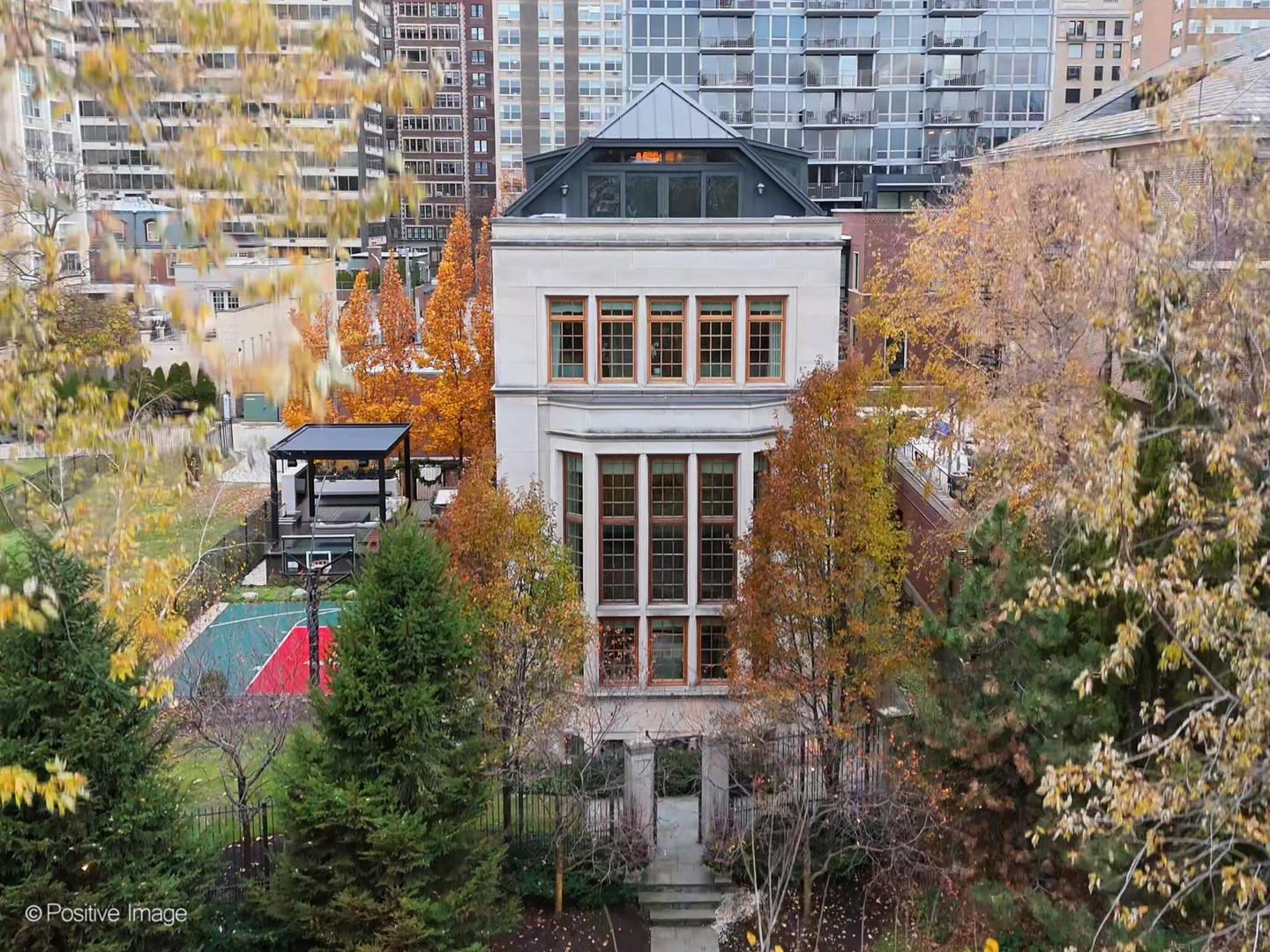
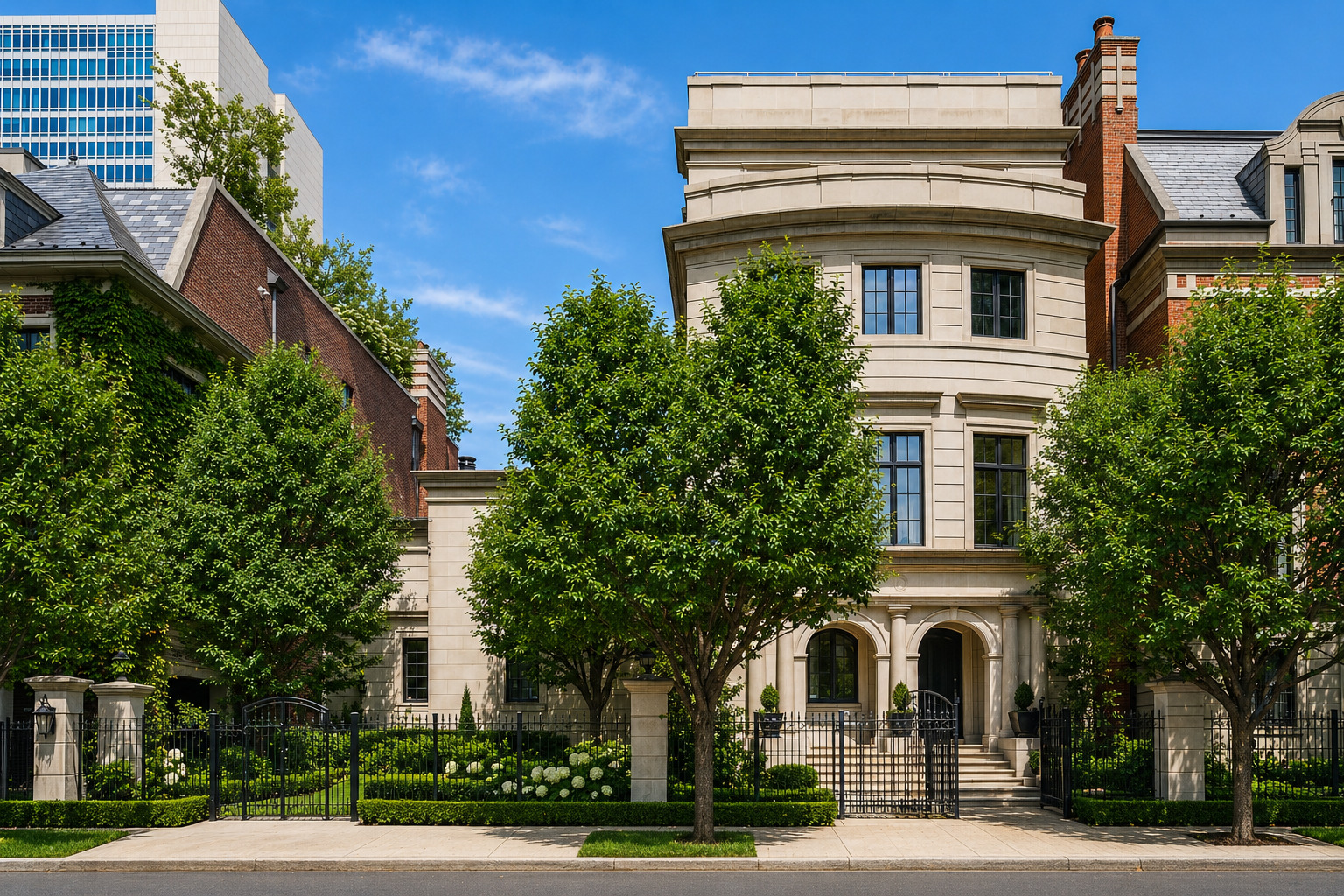
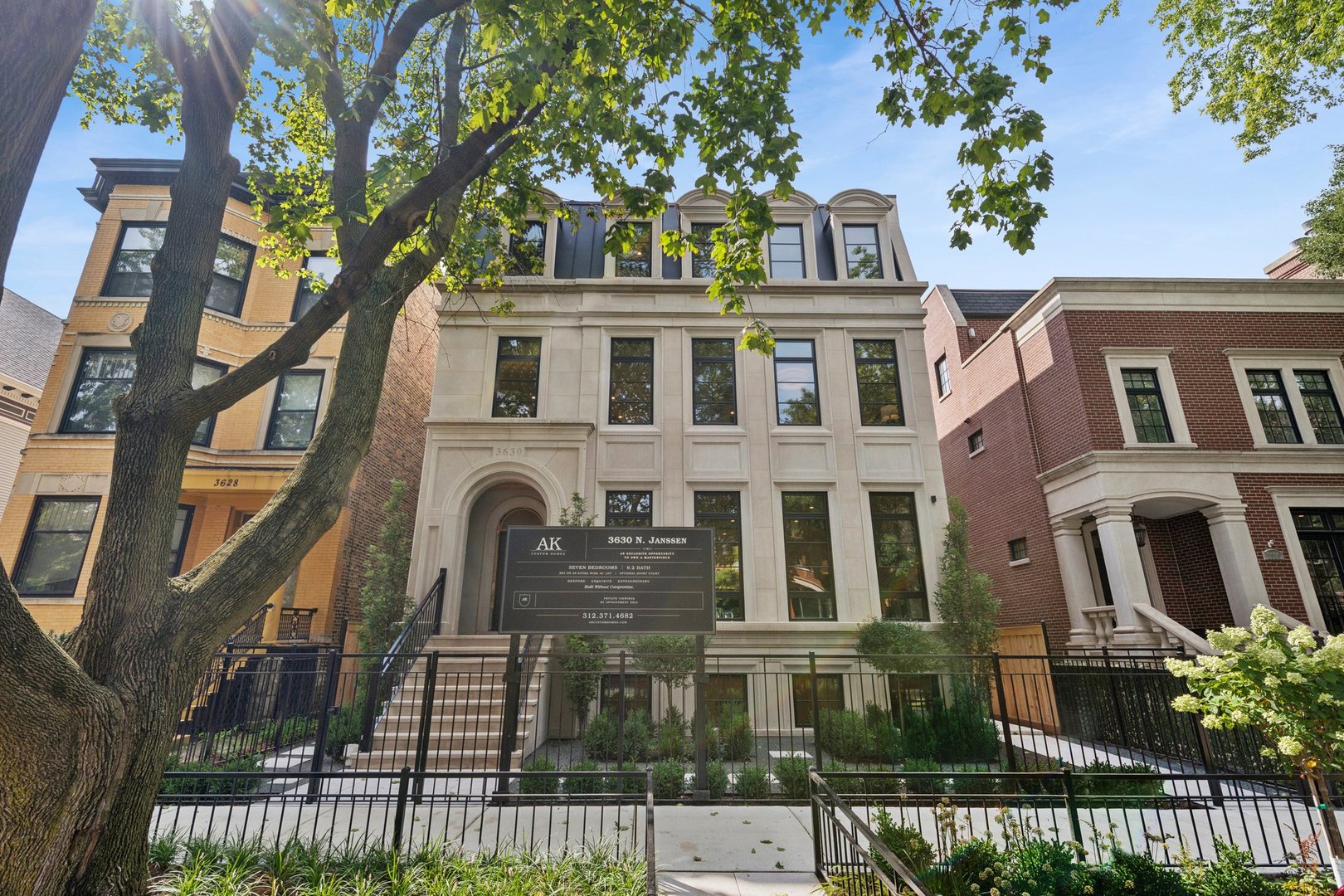
The Chicago housing market is characterized by diverse property architecture, ranging from vintage courtyard condominiums and lakefront high-rises to multi-unit brick two-flats and detached custom luxury single-family homes. According to Midwest Real Estate Data MLS records, the overall citywide median home sale price stands at $350,000, with luxury neighborhoods like Lincoln Park, Gold Coast, and Fulton Market frequently commanding figures from $1,200,000 to over $5,000,000.
Whether you are acquiring an investment multi-family asset, purchasing a low-maintenance downtown condo, or transitioning between Chicago and the western suburbs, Chicago provides options across every budget and residential lifestyle.
Jeff Salhani is an experienced managing broker with RE/MAX Legends (Illinois License #471020610), representing clients in residential home purchases, multi-family portfolio acquisitions, and commercial investments across Chicago and the western suburbs. Inducted into the RE/MAX Hall of Fame and recognized as a Top 100 regional producer, Jeff assists buyers navigating urban-to-suburban moves and urban real estate investments with transparent valuation insight.
Contact Jeff Salhani directly at (847) 650-1486 for private consultations and access to active residential and commercial opportunities.
The citywide median home sale price in Chicago is approximately $350,000 based on MRED MLS sales data. Pricing varies widely by neighborhood, with attached condominiums starting around $220,000, while detached single-family homes and luxury properties in premier north side neighborhoods frequently trade between $900,000 and $3,000,000.
Chicago commuters rely on the Chicago Transit Authority (CTA) system, which operates eight "L" train lines and over 120 bus routes. Downtown workers commuting to and from surrounding DuPage and Cook County suburbs utilize Metra commuter rail, with terminal hubs at Chicago Union Station and Ogilvie Transportation Center.
Chicago is home to top-rated selective enrollment public high schools including Walter Payton College Prep, Northside College Prep, and Whitney Young Magnet High School. Renowned private institutions include The Latin School of Chicago, University of Chicago Laboratory Schools, and Francis W. Parker School.
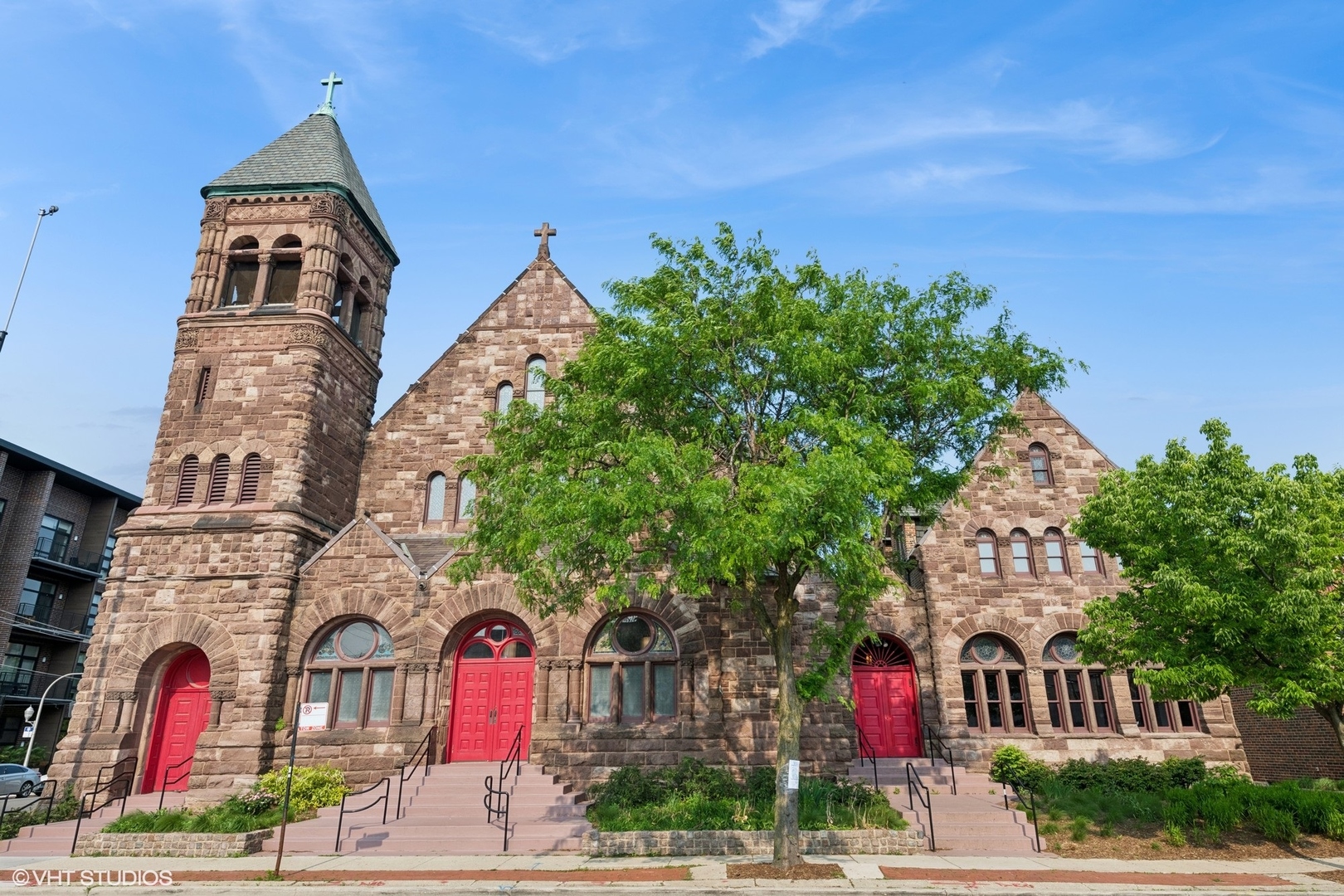
Iconic architectural landmarks include Willis Tower (formerly Sears Tower), 875 North Michigan Avenue (formerly John Hancock Center), the Tribune Tower, the Wrigley Building, and the Merchandise Mart, alongside historic designs by Louis Sullivan and Frank Lloyd Wright.
Sources: Data compiled from U.S. Census Bureau municipal records, Midwest Real Estate Data MLS market statistics, Chicago Transit Authority transit operations data, and Chicago Public Schools academic performance summaries.
Chicago has 1,160,200 households, with an average household size of 2.29. Data provided by the U.S. Census Bureau. Here’s what the people living in Chicago do for work — and how long it takes them to get there. Data provided by the U.S. Census Bureau. 2,711,230 people call Chicago home. The population density is 11,904.51 and the largest age group is Data provided by the U.S. Census Bureau.
Total Population
Population Density Population Density This is the number of people per square mile in a neighborhood.
Median Age
Men vs Women
Population by Age Group
0-9 Years
10-17 Years
18-24 Years
25-64 Years
65-74 Years
75+ Years
Education Level
Total Households
Average Household Size
Average individual Income
Households with Children
With Children:
Without Children:
Marital Status
Blue vs White Collar Workers
Blue Collar:
White Collar:
There's plenty to do around Chicago, including shopping, dining, nightlife, parks, and more. Data provided by Walk Score and Yelp.
Explore popular things to do in the area, including Joejo's Snack Shop, Windy City Patty Wagon, and Kaps Foods.
| Name | Category | Distance | Reviews |
Ratings by
Yelp
|
|---|---|---|---|---|
| Dining | 0.71 miles | 0 reviews | 0/5 stars | |
| Dining · $$ | 0.72 miles | 16 reviews | 3.6/5 stars | |
| Dining | 0.77 miles | 0 reviews | 0/5 stars | |
| Dining | 0.86 miles | 0 reviews | 0/5 stars | |
| Dining | 0.88 miles | 0 reviews | 0/5 stars | |
| Dining | 0.98 miles | 7 reviews | 1.6/5 stars | |
| Dining | 1.1 miles | 1 review | 3/5 stars | |
| Dining | 1.11 miles | 0 reviews | 0/5 stars | |
| Dining | 1.13 miles | 0 reviews | 0/5 stars | |
| Dining | 1.13 miles | 0 reviews | 0/5 stars | |
| Dining | 1.14 miles | 0 reviews | 0/5 stars | |
| Dining · $ | 1.16 miles | 1 review | 3/5 stars | |
| Dining | 1.19 miles | 0 reviews | 0/5 stars | |
| Dining | 1.21 miles | 0 reviews | 0/5 stars | |
| Dining | 1.35 miles | 0 reviews | 0/5 stars | |
| Shopping | 1 miles | 0 reviews | 0/5 stars | |
| Shopping | 1.21 miles | 0 reviews | 0/5 stars | |
| Shopping | 1.21 miles | 0 reviews | 0/5 stars | |
| Active | 1.14 miles | 0 reviews | 0/5 stars | |
| Beauty | 0.99 miles | 1 review | 5/5 stars | |
| Beauty | 1.07 miles | 0 reviews | 0/5 stars | |
| Beauty | 1.07 miles | 0 reviews | 0/5 stars | |
| Beauty | 1.1 miles | 0 reviews | 0/5 stars | |
| Beauty | 1.12 miles | 0 reviews | 0/5 stars | |
|
|
||||
|
|
||||
|
|
||||
|
|
||||
|
|
||||
|
|
October 15, 2026
November 5, 2026
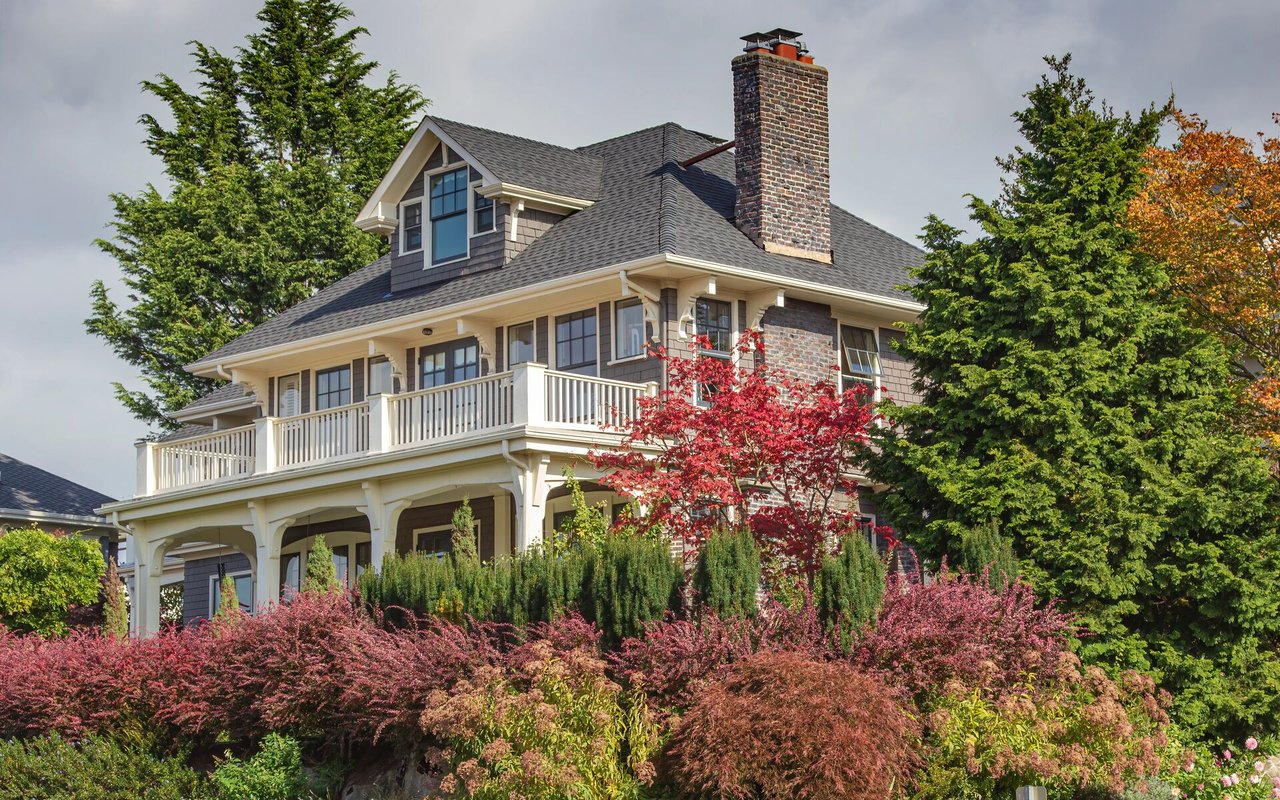
Jeff Salhani | October 30, 2026
What to Budget for Among the Costs of Buying a Home in Oak Brook IL.
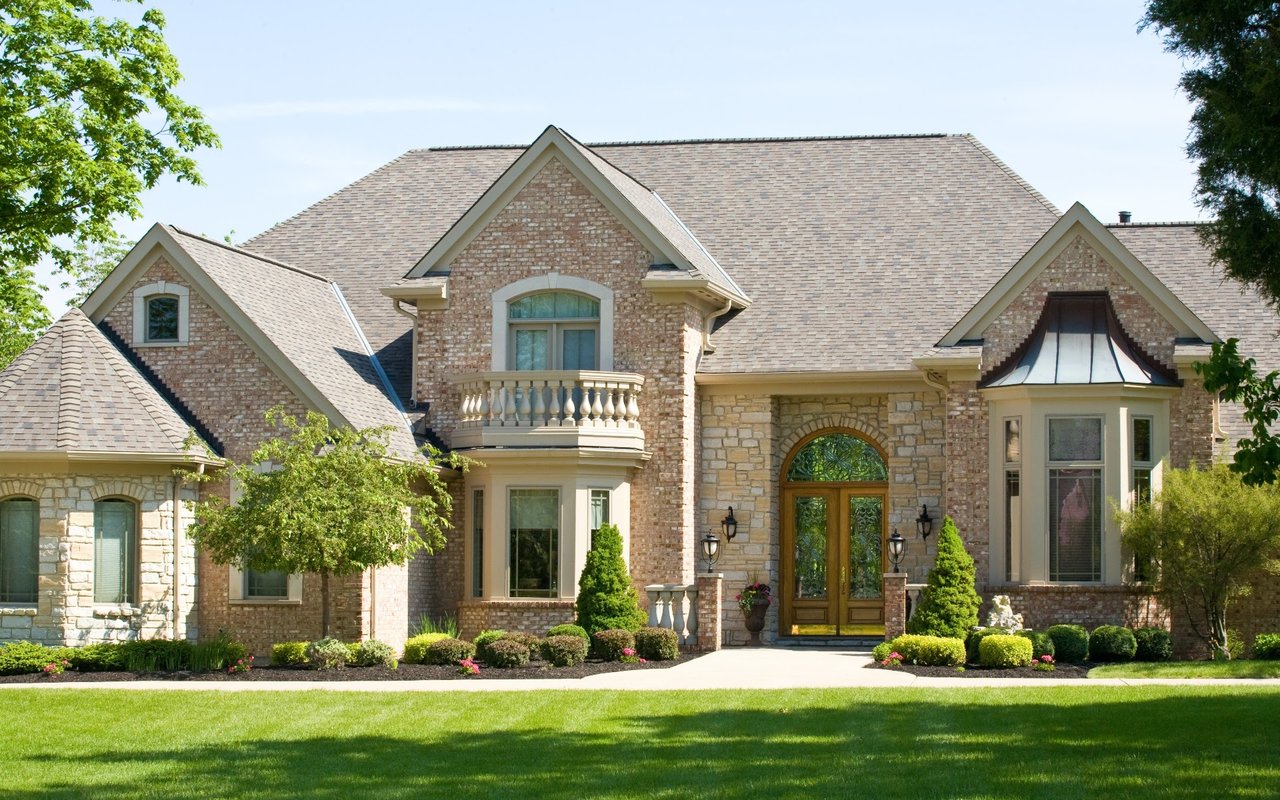
Jeff Salhani | October 30, 2026
A Guide to Investing in Real Estate in Burr Ridge IL.
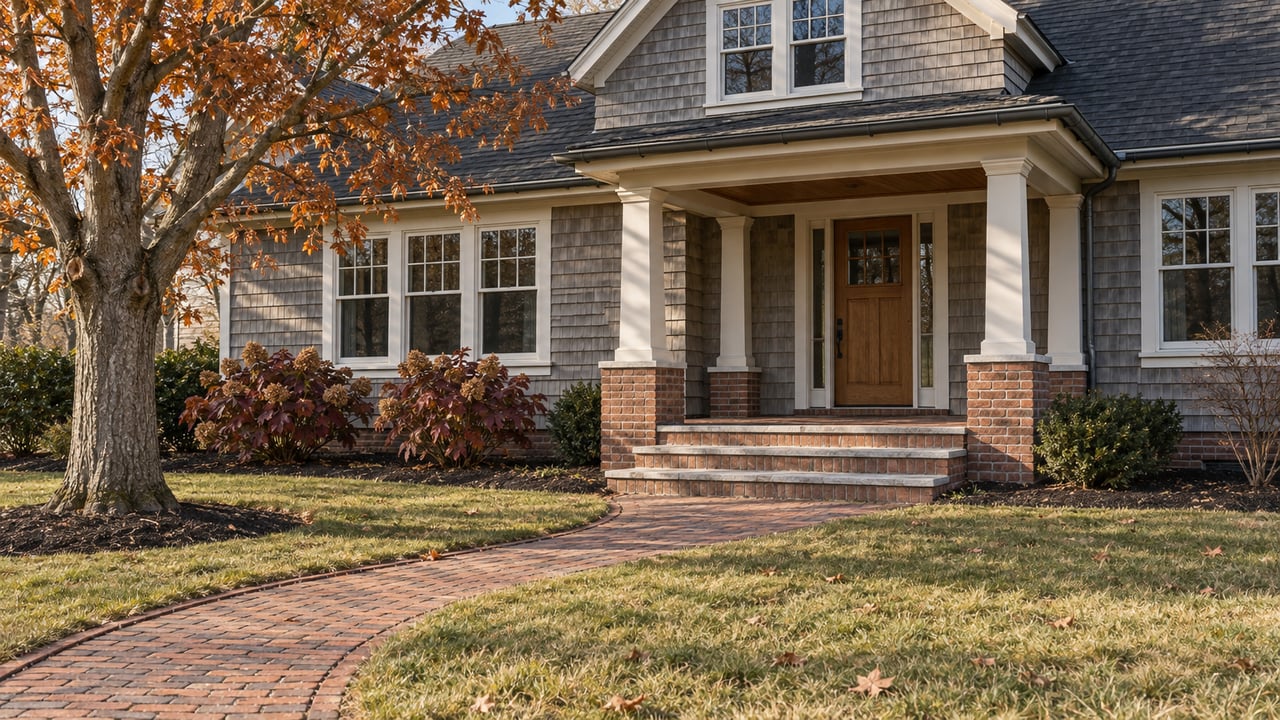
October 29, 2026

Jeff Salhani | September 18, 2026
Where to Find Your Best Cup in Town.
Jeff will do his best to have your selling or buying experience as fun and stress-free as possible. He is very flexible and very easy to work with. After all, your needs come first!
Get In Touch With Me To Learn More
17W480 22nd St. Oakbrook Terrace, IL 60181