Buying a Home in Lemont IL: Old Town or Newer Builds
June 4, 2026
June 4, 2026
Wondering whether you should buy in Lemont’s historic core or focus on a newer subdivision? It’s a smart question, because in Lemont, the choice is usually less about home type and more about lifestyle, upkeep, and how you want to live day to day. If you’re trying to balance charm, convenience, maintenance, and long-term value, this guide will help you compare both paths with more confidence. Let’s dive in.
Lemont has a housing mix that makes this comparison especially relevant. About 76.2% of the village’s housing stock is detached single-family homes, and the median year built is 1994.
That means many buyers are not deciding between a condo downtown and a house in the suburbs. Instead, you’re often comparing an older single-family home in or near Old Town with a newer single-family home in an outer neighborhood.
Nearly half of Lemont’s homes were built from 1990 to 2009, and another 13.7% were built in 2010 or later. Only 9.1% were built before 1940, which helps explain why true historic homes feel more limited and distinct within the local market.
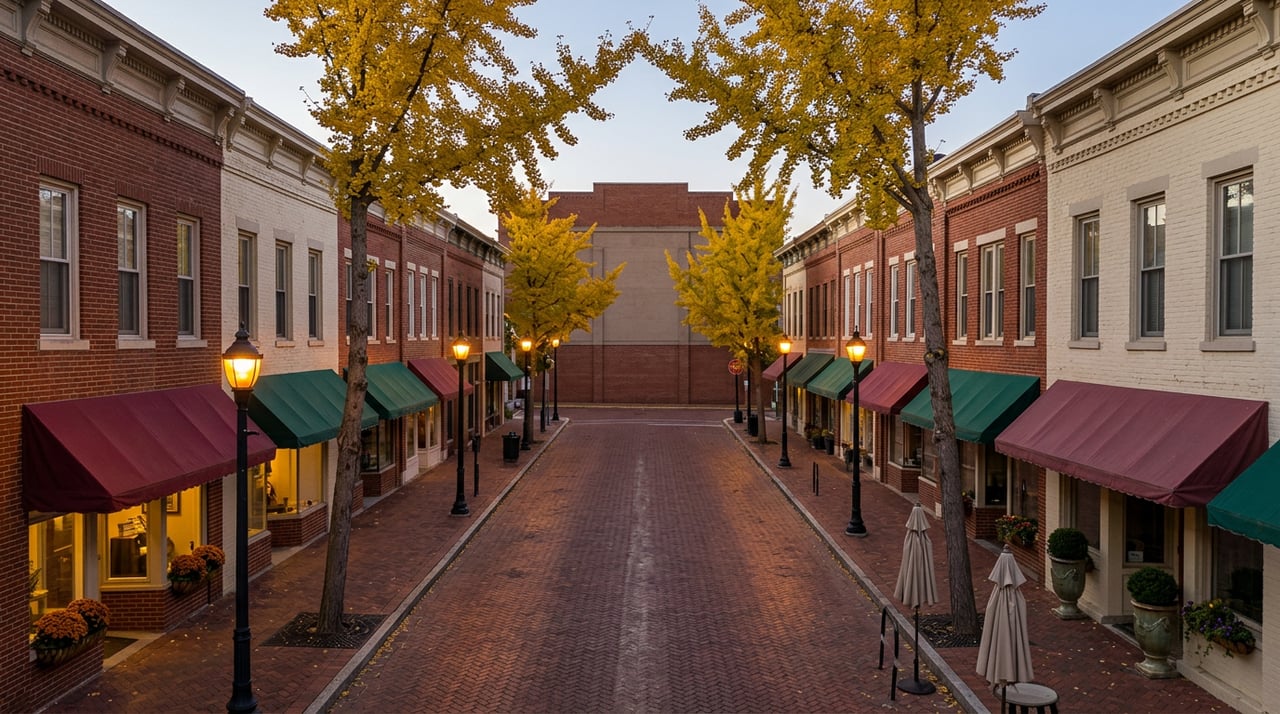
Old Town is Lemont’s historic core. The village describes downtown as a place along the historic I&M Canal that blends historic character with restaurants, shops, events, and outdoor recreation.
If you like a home with a strong sense of place, Old Town usually delivers that better than newer areas. The architecture in the historic district includes mixed styles, and village history ties much of Lemont’s development to limestone quarrying, with many buildings constructed from Lemont limestone.
One of the biggest draws is access to heritage-focused amenities. The Heritage Quarries Recreation Area sits about half a mile east of downtown, and the I&M Canal Trail offers 6 miles of crushed-stone trail surface.
You also have access to boating, fishing, The Forge, and other recreation connected to the canal-and-trail setting. For buyers who want a more distinctive streetscape and easier access to local dining and activity, that can be a major advantage.
Lemont’s Metra station is at 101 Main Street, which adds a commuter option. Still, the Heritage Corridor line does not offer weekend service, so rail access exists but is limited.
Historic character often comes with more oversight. In Lemont’s historic district, exterior alterations require Certificate of Appropriateness review by the Historic Preservation Commission.
In practical terms, if you are thinking about changing windows, porches, facades, additions, or other exterior elements, you should expect more review than you would in a newer subdivision. For some buyers, that is a worthwhile trade for preserving the area’s look and feel. For others, it may feel restrictive.
Condition is another major part of the equation. Older homes can be rewarding, but the first years of ownership often bring more spending on repairs and updates.
Census data on older homes found that new owners spent a median of $3,900 per year on upkeep, compared with about $1,500 for longtime owners. The median annual maintenance-only spend was around $540, and more than half of owners of older homes spent less than 1% of home value annually on improvement and maintenance, but early ownership years were typically the most expensive.
Old Town buyers should also know that Lemont has local support mechanisms tied to preservation and repairs. The village says it offers façade grants for preservation of historic buildings, considers development incentives case by case, and provides information on financial assistance for home repairs through CDBG.
That does not remove the need for careful budgeting, but it does mean some older properties may come with preservation support that a typical newer suburban home would not have. If you are considering an older home, that is worth discussing before you make a final decision.
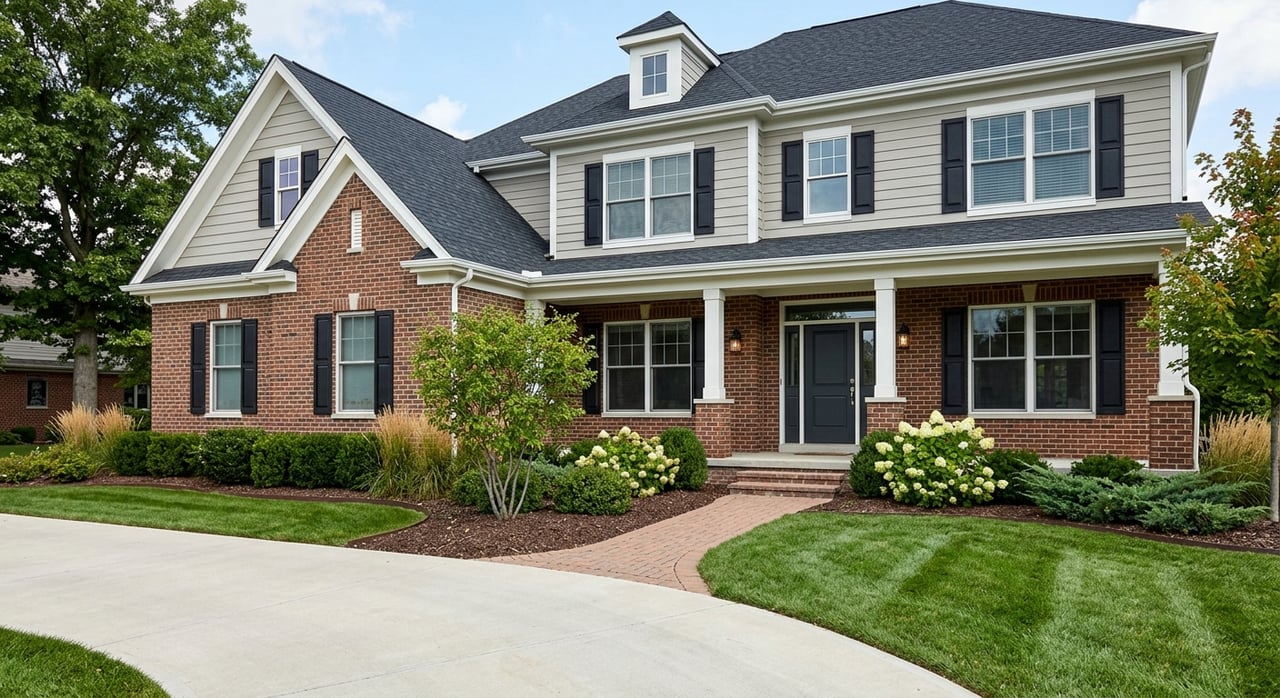
On the newer-build side, Lemont is largely defined by homes built after 1990. Since 47.5% of local homes were built from 1990 to 2009 and 13.7% were built in 2010 or later, this is a major part of the village’s housing supply.
Because Lemont remains mostly a detached-home market, these neighborhoods are generally the more contemporary slice of the same single-family market. In many cases, you are paying for newer construction, updated layouts, and less immediate renovation work.
For many buyers, the biggest benefit of a newer home is predictability. You may still want cosmetic updates over time, but you are often less likely to face the immediate repair list that can come with an older property.
Newer homes can also be a better fit if you want a conventional suburban layout. Compared with Old Town, the tradeoff is usually less walkable historic character and more separation between residential areas, shopping, and recreation.
CMAP data reinforces that Lemont is still fairly car-oriented in daily life. Households average 18,348 vehicle miles traveled per year, and 44.9% of households have two vehicles.
Another advantage of newer neighborhoods is flexibility. If your long-term plan includes exterior changes, additions, or a more personalized update path, you may find fewer preservation-review constraints outside the historic core.
That matters if you want to renovate over time without added layers of approval. Buyers who value simplicity and control often lean toward newer builds for that reason.
Lemont’s spring 2026 housing data points to a market in the mid-$500,000s to upper-$600,000s, depending on the source and metric. Zillow reported a typical home value of $573,202 as of April 30, 2026, Redfin showed a median sale price of $534,724 over the prior three months, and Realtor.com reported a median listing price of $684,990 in March 2026.
These numbers matter because they show you are shopping in a meaningful price band where condition can strongly affect value. A well-kept older home with character may compete well, while a newer home with less near-term maintenance may justify a premium for buyers who want convenience.
Redfin described Lemont as somewhat competitive, with homes averaging about two offers and roughly 63 days on market. Realtor.com characterized it as a seller’s market, which suggests buyers should stay realistic about pricing, especially when a home is well presented and in strong condition.
If you are deciding between the two, the right answer usually comes down to what you value most in your daily life and how comfortable you are with maintenance, updates, and review requirements.
Here’s a simple way to think about it.
Before you buy, it helps to compare homes through three lenses: lifestyle, budget, and tolerance for projects. A charming older home may win your heart, but it should also fit your plan for repairs, updates, and ownership costs.
On the other hand, a newer home may feel less unique, but it can offer a smoother start and fewer surprises. In a market like Lemont, where some homes draw multiple offers and condition matters, clarity on your priorities can save you time and stress.
If you are torn between the two, try ranking what matters most to you in this order:
That framework usually makes the right choice much clearer.
Buying in Lemont is not just about finding a house that looks good online. It’s about choosing the setting, upkeep level, and long-term fit that match how you want to live. If you want help comparing Old Town homes with newer Lemont options, Jeff/Amjad Salhani can guide you with clear advice, local perspective, and a practical eye for value.
Stay up to date on the latest real estate trends.

From Youth Theater to a Half-Century Art Festival.

Where to Find Your Best Cup in Town.

On the Value and Intricacies of Home Appraisals.
How to Navigate Contingencies and How They Work for You.
Get In Touch With Me To Learn More
17W480 22nd St. Oakbrook Terrace, IL 60181